
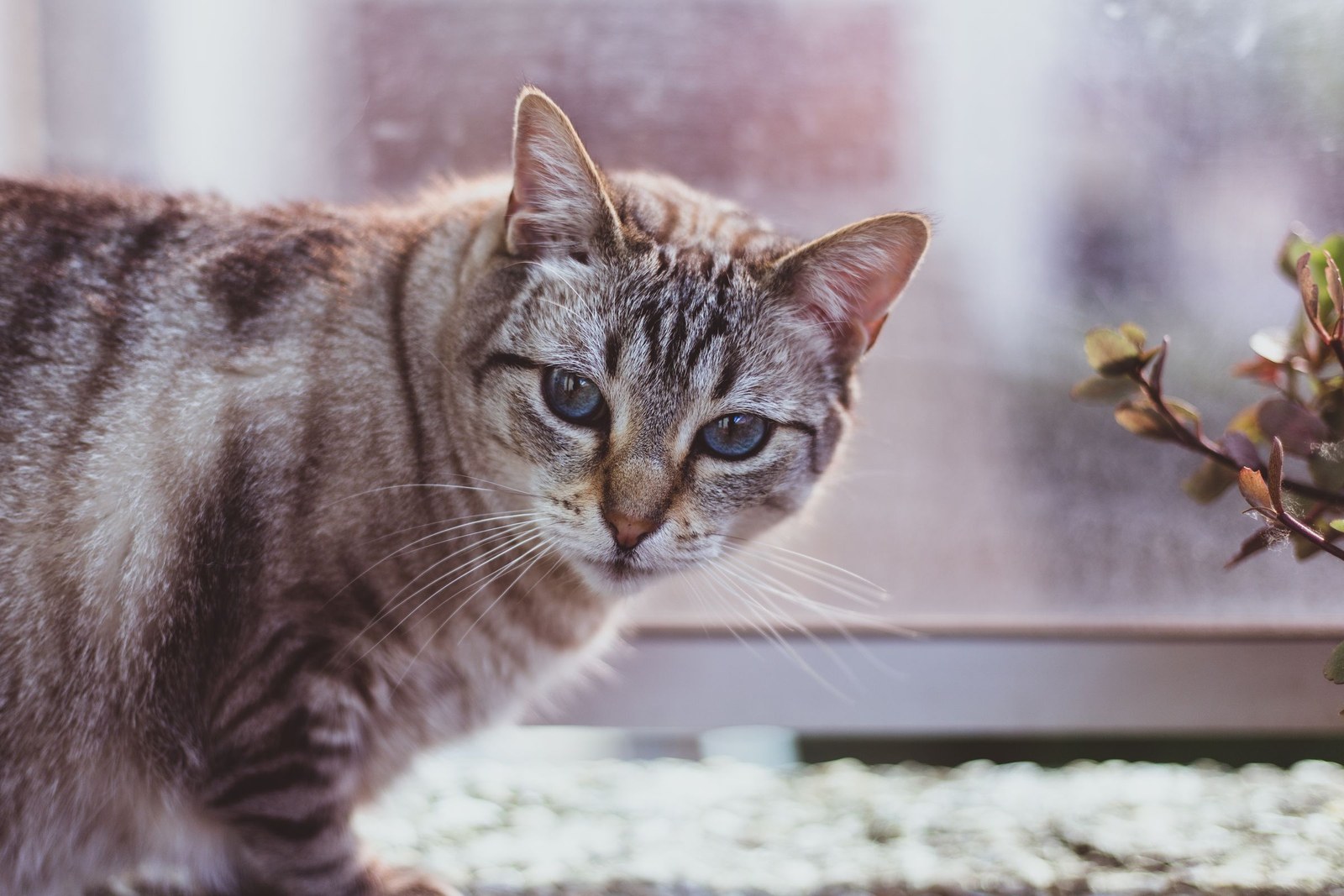
At least once a day is the responsible minimum for most cats while you are away for a week — food, fresh water, litter, and a genuine welfare check cannot safely stretch over several days. Twice-daily visits are the better standard for kittens, seniors, and any cat on medication, and they give most owners far more peace of mind across a full week away.
Why Once a Day Is the Floor, Not the Ideal
Cats have a reputation for independence that can mislead owners. A healthy adult cat with plenty of dry food and a water fountain will not starve in 48 hours, but that is not the same as being safely cared for. In a single day a water bowl can be knocked over, an automatic feeder can jam, a cat can become unwell, get trapped in a room, or stop eating — and none of it is discovered until someone walks in.
A daily visit resets all of that: fresh water, measured food, a scooped litter box, a quick check of the home, and eyes on the cat herself. Litter changes are also diagnostic. A sitter who scoops daily will notice if a cat has not urinated, has diarrhoea, or is straining — signs that need prompt attention, not discovery a week later.
When Twice-Daily Visits Are Worth It
Step up to morning and evening visits if your cat:
- Is a kitten who eats little and often and needs play and social contact
- Is a senior with arthritis, kidney concerns, or a fragile appetite
- Takes medication twice a day, or medication that must be given with food
- Eats wet food, which cannot sit out safely for long periods
- Is anxious, recently rehomed, or recovering from illness or surgery
Twice-daily care also mirrors a normal household rhythm more closely, which helps routine-driven cats settle. For a confident adult cat in good health, one longer daily visit with play, grooming, and attention can work well — length and quality of the visit matter, not just the count.
What Each Visit Should Include
Agree the checklist in advance so visits do not shrink to a two-minute food drop. A proper visit covers feeding and refreshing water, scooping litter, a visual health check, some play or calm company, bringing in post, checking doors and windows, and sending you a photo update. Ask the sitter to note appetite and litter use each day; a simple pattern — eating well Monday to Wednesday, untouched food Thursday — is exactly the early warning you want.
Also plan for failure. Leave a spare key with a trusted neighbour or agree a backup contact in case your sitter is ill or delayed, and make sure your vet's details are part of the brief.
Staying in Touch Across the Week
Daily photo updates are reasonable to request and reassuring to receive. Agree the format upfront so you are not chasing messages across time zones, and tell your sitter which changes should prompt an immediate call rather than waiting for the evening update.
Seeing Every Visit Happen With KinsLe
Trust is easier when care is visible. KinsLe's Care Teams let your sitter's visits and tasks be logged with timestamped completions — feeding, litter, medication, and checks are assigned and marked done, so you can see each check-in while you are away instead of relying on memory or scattered texts. Family members can share the duty roster too if care is split.
A week is a long time in a cat's routine, and regular, recorded visits are what make it a safe one. The Care Teams roster on KinsLe holds that week-away visiting plan in one place, with the sitter named for each day's feeding, litter, and health checks and every finished visit stamped so an absence never becomes guesswork.