
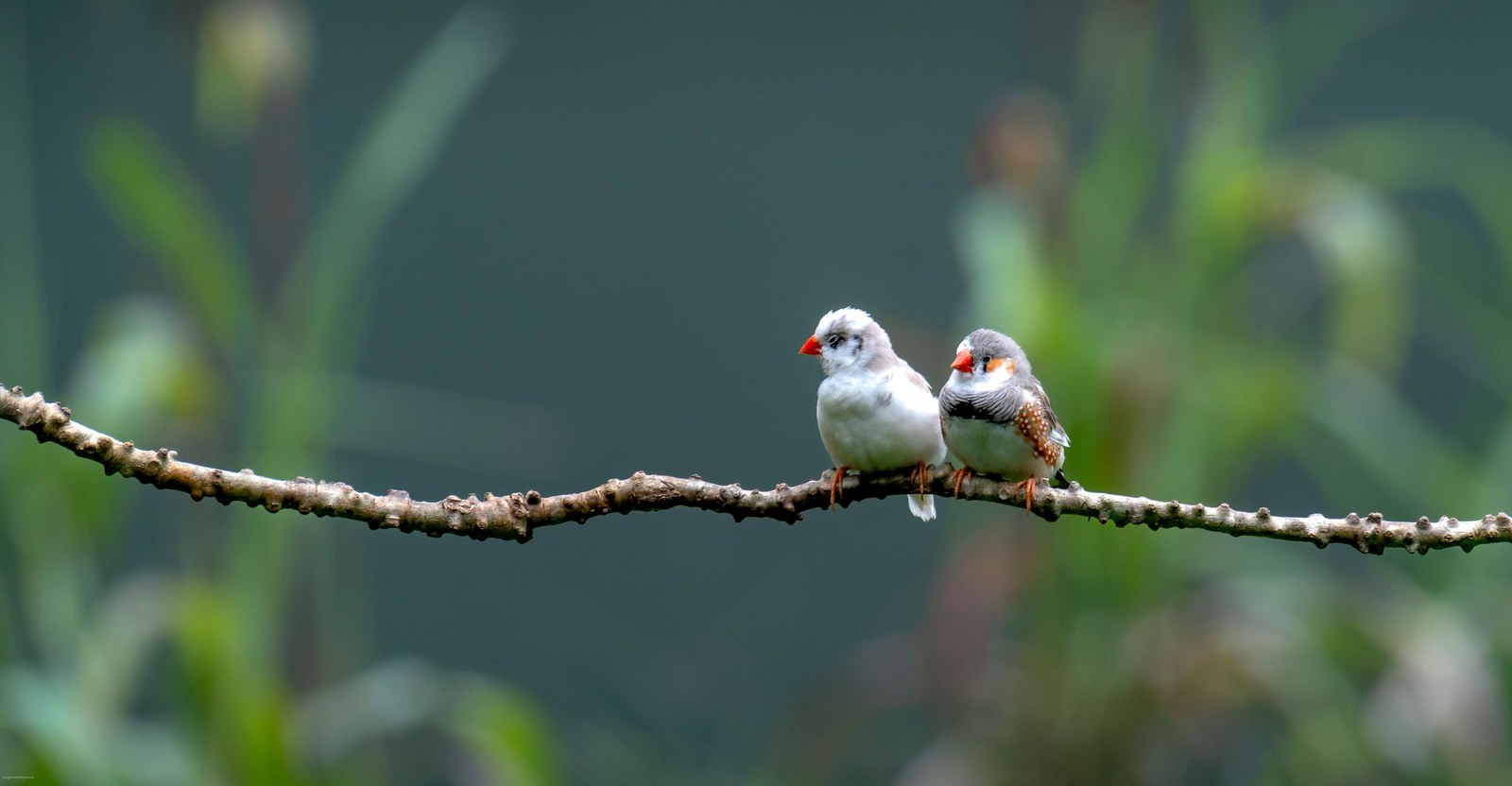
Change your finch's water every single day, and check the food dish daily too — this matters more than it looks, because finches hull their seeds at the dish and drop the empty shells back in. A dish can appear completely full while holding almost nothing edible, so skim or blow off the husks and top up with fresh seed daily.
The Hulling Habit That Fools Owners
Zebra finches, society finches, and their relatives are tidy, efficient eaters: each seed is cracked, the kernel swallowed, and the empty husk dropped exactly where the seed was found. After a day, the top layer of the dish is mostly husks hiding a shrinking supply of real food beneath. Owners have genuinely lost finches to an apparently full dish. The fix is a daily ritual — blow gently across the dish outdoors or over a bin, skim the light husks away, and top up. Every day or two, empty the dish fully, wash it, and refill from scratch. Running two identical dishes makes this effortless: one in the cage, one washed and ready.
Water: Daily, No Exceptions
Water fouls faster than food. Finches bathe in open drinkers, dunk food, and splash seed dust into the bowl, and bacteria grow quickly in the result. Rinse and refill the drinker every morning with fresh water; scrub it properly at least weekly so no slimy film builds up. If your finch insists on bathing in its drinking water, offer a separate shallow bath dish most days — most finches take the hint and keep the drinker cleaner. Skip supplements and additives in the water unless an avian vet has specifically advised them; clean, plain water is what a healthy finch needs.
A Daily and Weekly Finch Routine
- Daily: fresh water, husk check and seed top-up, a small piece of leafy green or egg food during molting or breeding
- Every day or two: full dish change — empty, wash, dry, refill
- Weekly: scrub drinkers and dishes, check the cuttlebone and mineral block, wipe perches
- Always: remove uneaten fresh food after a few hours
Finches are small, undemanding birds — the whole routine takes minutes once it is a habit.
When a Missed Day Becomes a Problem
A finch's metabolism runs fast, and a day without accessible food or water is a genuine risk, not a minor slip — which is why the routine needs a backup human, not just good intentions. Watch for a finch who sits fluffed and quiet on the cage floor, stops singing, or loses interest in the flock; those signs, especially alongside an empty-looking dish, mean food and water first and an avian vet's advice promptly if the bird does not perk up.
Handing the Routine to Someone Else
Daily dishes are exactly the kind of small, vital job that gets lost when care is shared or you travel. KinsLe's Care Teams lets you assign the food and water refresh to a family member or sitter as a named duty, with timestamped completions confirming it was actually done — so your finch never depends on someone remembering an unspoken routine. Clarity is kindness with birds this small. The Care Teams duty list on KinsLe names who handles each morning's husk skim, seed top-up, and drinker refill for the finches, with a stamped finish that a backup helper can trust at a glance.