
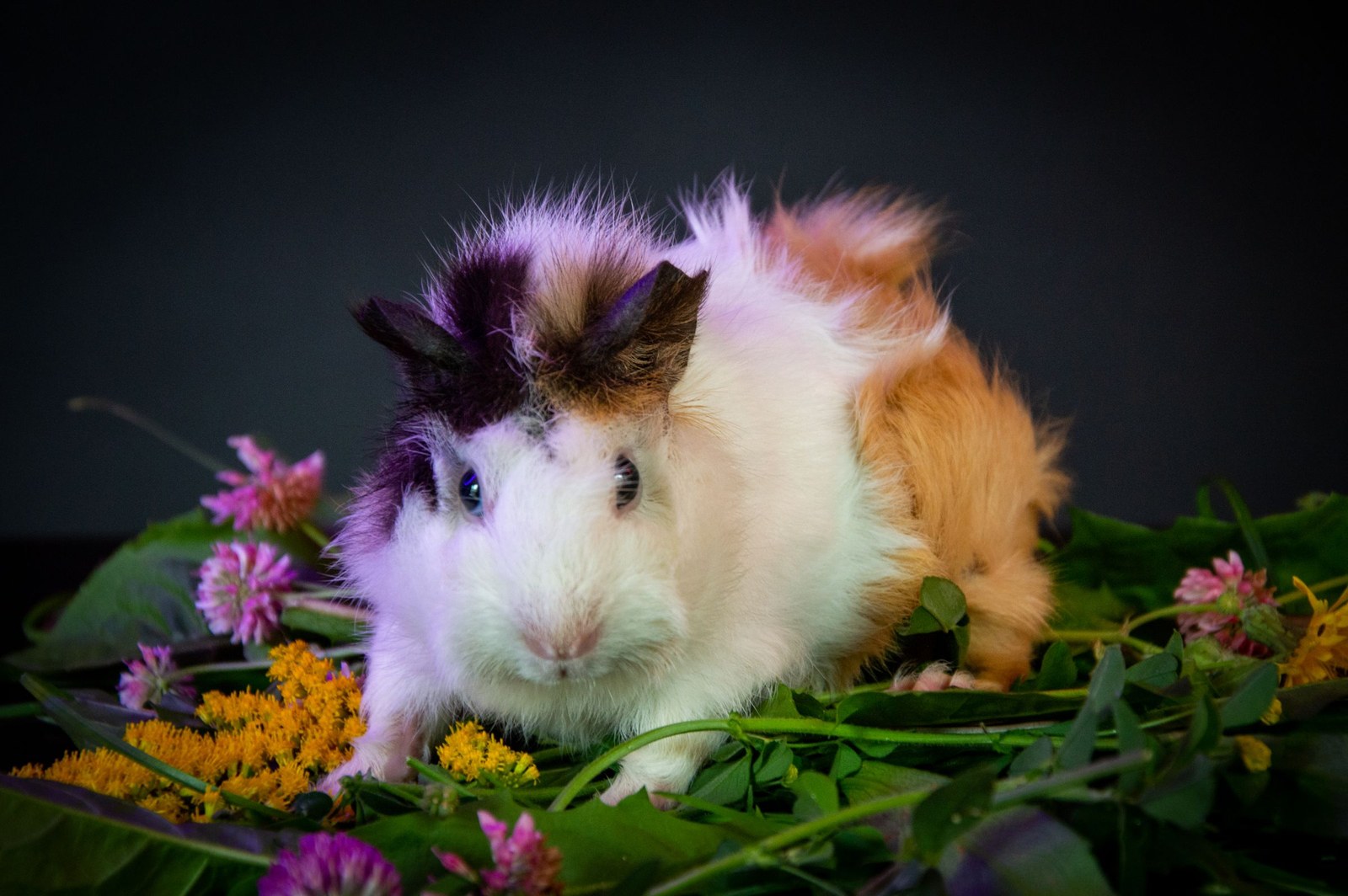
Change your small pet's water every day, without exception, whether it comes from a bottle or a bowl. Fresh water daily is one of the simplest health habits in small-pet care: yesterday's water collects dust, food, and bacteria surprisingly fast, and bottles can stop working silently. A two-minute daily routine — empty, rinse, refill, check the spout — covers it.
Bottles: Check the Spout Every Single Day
Sippy bottles look low-maintenance, but the ball-and-spout mechanism can jam with a trapped air bubble, a piece of food, or mineral build-up, leaving your pet licking a dry tube. Every day, tap the ball with a fingertip and confirm a drop of water appears and the ball moves freely. Refill with fresh water rather than topping up, and give the bottle a proper wash with a bottle brush several times a week — a full scrub with hot water weekly keeps the green film at bay. Position the spout at a comfortable height for the species, and consider a backup bottle for very warm days or multi-pet cages.
Bowls: Heavy, Shallow, and Washed Often
A heavy ceramic bowl cannot be tipped by an enthusiastic guinea pig or a digging hamster, but open water collects bedding, droppings, and food within hours — small pets backwash as they drink and drag nesting material through everything. That is why bowl water should be refreshed at least daily and ideally checked twice, with the bowl washed regularly rather than just refilled. If your pet consistently fouls the bowl, a bottle may suit them better, though some animals simply prefer a bowl; either is fine as long as the daily change happens.
How Much Drinking Is Normal?
Most small pets drink modest, steady amounts, taking in more on warm days, after salty or dry food, or when eating lots of hay. The useful habit is knowing your own pet's normal: how fast the bottle level usually drops in a day. A sudden change in either direction — a bottle barely touched, or emptied twice as fast — is information worth acting on. Markedly increased thirst, a pet camping by the bottle, or no interest in water at all alongside reduced appetite are all reasons to contact your veterinarian promptly rather than waiting.
Build the Habit Into Feeding Time
Water checks fail when they are a separate chore; they stick when they ride along with feeding. Make it one motion: food in, water out and refilled, spout tapped, all before you leave the cage. On cage-clean days, add the full bottle wash. If several people share care, agree that whoever feeds also does water, so the job is never assumed done by someone else. Keep a spare clean bottle ready so a cracked or leaky one never means a night without water.
Water Questions to Bring to Kinny
The daily change itself is simple; the judgment calls around it are not. Is a bottle that drops slower than usual a spout problem or a pet drinking less? Should a bowl that fouls by midday be swapped for a bottle, or just refreshed twice? How much extra drinking on a hot day is normal for a guinea pig versus a hamster? Put those questions to Kinny, the built-in AI assistant in KinsLe, as they come up, and work through whether it is a habit tweak or something worth a vet call. When a bottle level drops oddly or a bowl keeps fouling, Kinny in KinsLe can take your follow-up questions about daily water changes for hamsters, guinea pigs, and their small kin, with responses from the library maintained by KinsLe Answers.