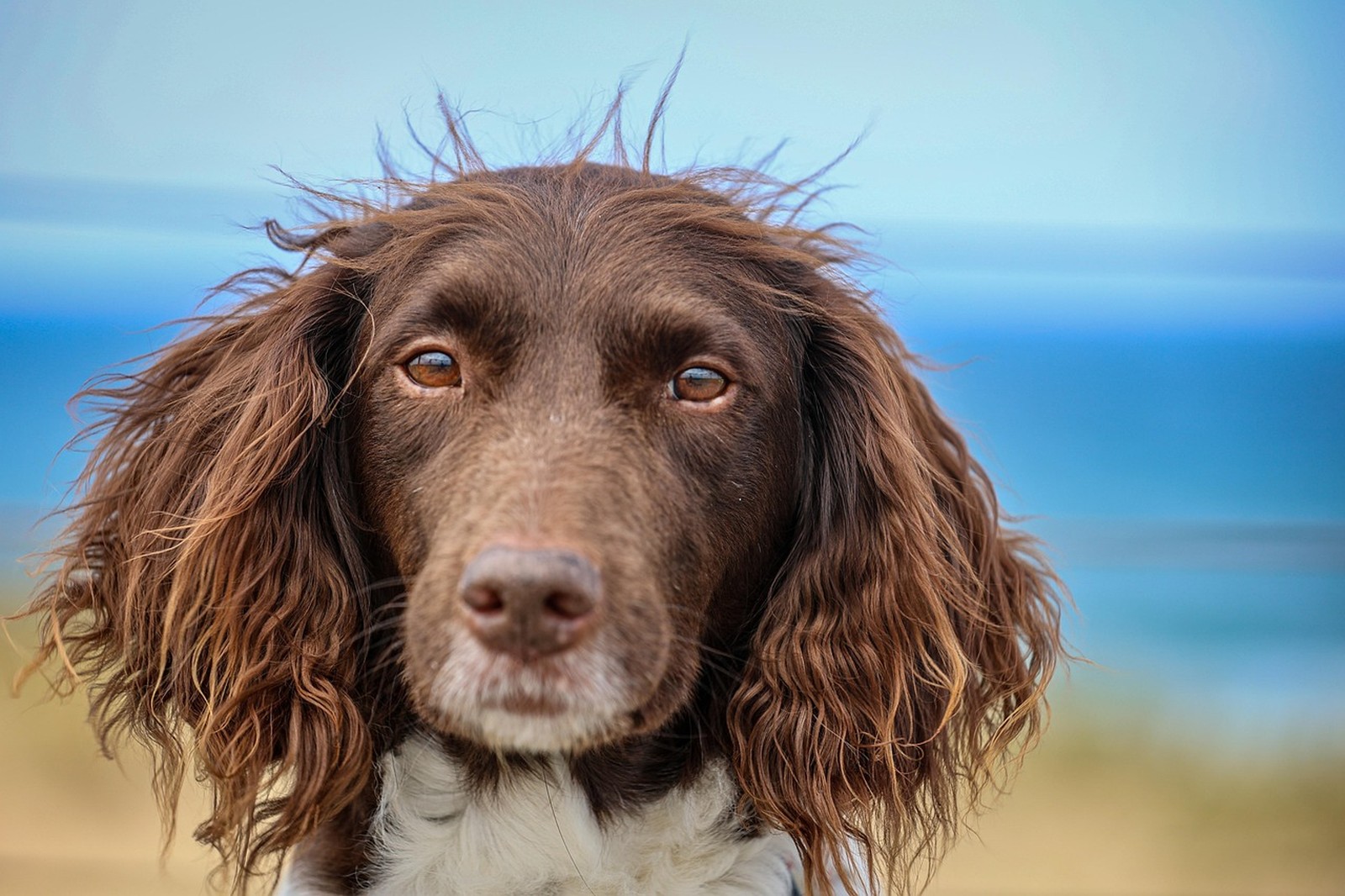
Fold a quick eye check into the weekly groom: in good light, look for eyes that are clear and bright with no discharge, whites that are actually white, pupils that match, and no pawing, squinting, or fresh cloudiness; a trace of sleep in the corners on waking is normal. A longer hands-on check monthly — the same session as teeth and ears — lets you compare the two eyes against each other, which is how owners spot one-sided changes early. Seniors and breeds with prominent or inherited-problem eyes benefit from a vet eye check at every routine visit.
What You Are Actually Looking For
The changes that matter: discharge that turns yellow or green, redness of the white or inner lids, a blue-grey haze over the surface (possible ulcer or internal problem), a suddenly enlarged or shrunken pupil, the third eyelid showing persistently, or behaviour changes — bumping into furniture in dim light, missing treats tossed nearby, new startle at hands. Check in the same light each week where you can, because yellow lamplight hides early redness and makes a healthy eye look duller than daylight shows it. Wipe morning sleep away from the outer corner with a damp cloth, one per eye, and never use human eye drops or leftover eye medication on a dog: several common products are wrong or dangerous for the actual problem, and eye problems are diagnosed by looking, not by trialling drops.
Working With Your Vet
With eyes, the careful order matters more than anywhere: look closely, note which eye changed and when you first saw it, and let a veterinarian make the diagnosis. The surface signs of an ulcer, an infection, and a deeper problem can look deceptively alike from across the room, and the right response differs for each.
A squinting, painful, cloudy, or suddenly red eye is a same-day vet visit — eyes deteriorate faster than almost anything else, and ulcers can perforate within days.
Keep a short eye log alongside her other records: which side, what you saw — discharge, redness, haze — and the day it started. Brought to the appointment, those few lines tell the vet whether this is a first episode or the third this year, and that pattern shapes what gets checked and how urgently.
Her Pet Passport on KinsLe gathers those eye notes with her dates and vet history inside a single portable packet, ready to hand over at a routine visit or an urgent one.