
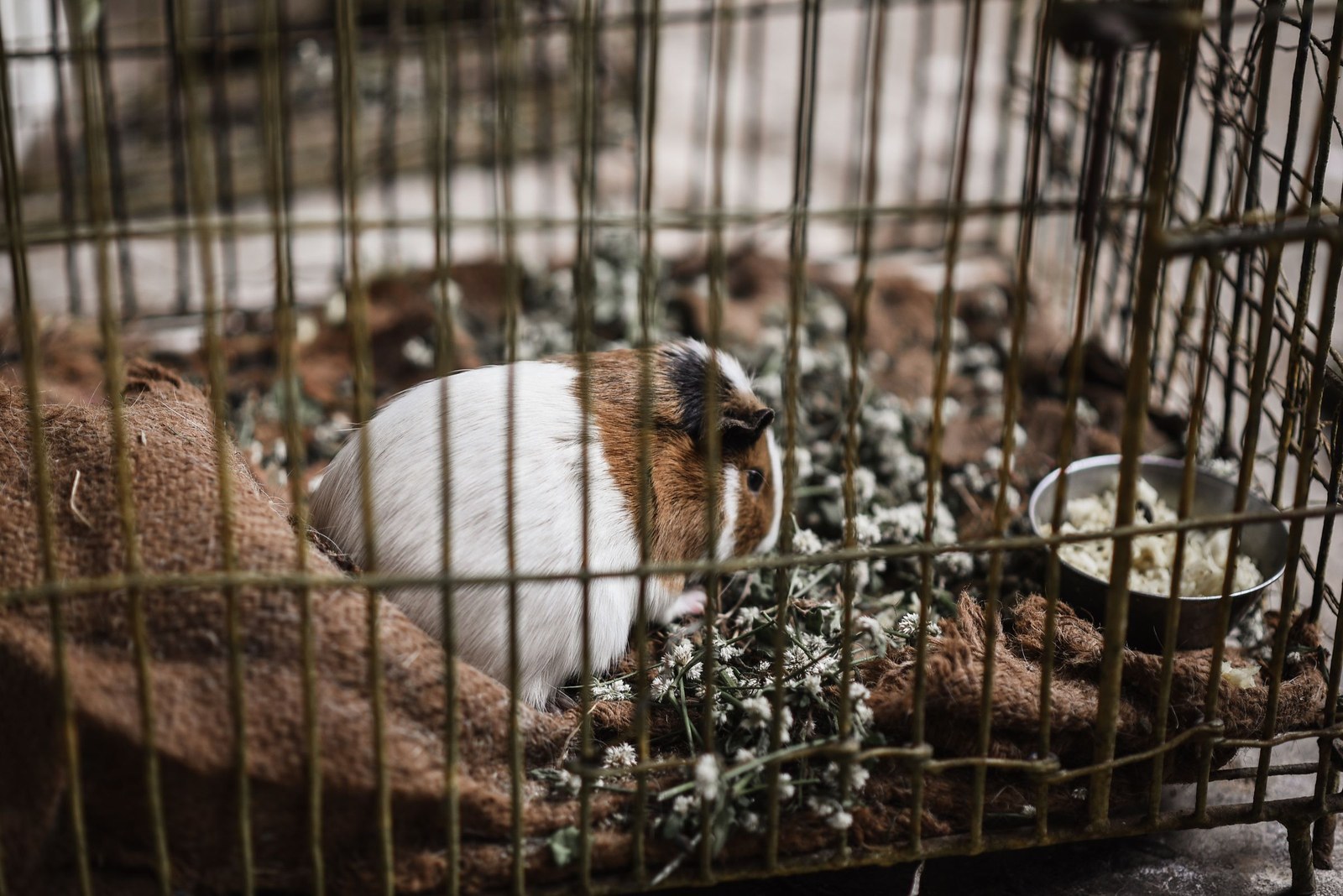
Clean your small pet's cage in layers: spot clean wet patches, litter areas, and food bowls every day, then do fuller bedding changes on a regular cycle matched to the species and how many animals share the space. This rhythm keeps ammonia and odor from building up without constantly stripping away the familiar smells that make the enclosure feel like home.
Why Too Much Cleaning Can Stress a Small Pet
To a hamster, rat, or guinea pig, scent is geography. They map their home by smell, mark favorite routes, and build nests that carry their own comforting odor. A full deep clean that replaces every scrap of bedding and scrubs every surface can leave an animal anxious and disoriented in a home that suddenly smells like nowhere. That is why experienced owners keep back a little of the old, clean-smelling bedding or nesting material at each big change and mix it through the fresh fill — the space still smells like theirs.
Stress from over-cleaning shows up as hiding, reduced appetite, frantic digging, or a usually calm pet becoming skittish. If a big clean is unavoidable, doing one half of the enclosure at a time, days apart, preserves a familiar zone throughout.
The Daily Spot Clean
Daily care takes just a few minutes:
- Remove wet, soiled bedding patches, especially in favorite toilet corners
- Empty and refresh litter trays where your species uses them
- Wash food bowls and check water bottles are flowing freely
- Remove uneaten fresh food before it rots in a hoard or nest
- Pull out anything soggy from under water bottles
This small daily habit is what actually controls odor. Ammonia builds in urine-soaked bedding, not in a cage as a whole, so removing the wet spots protects your pet's airways far better than an occasional total overhaul.
The Bigger Clean, on a Sensible Cycle
How often the fuller change happens depends on enclosure size, bedding depth, and group size. A single hamster in a large, deep-bedded enclosure may need only partial changes for weeks, while a group of mice in a smaller cage needs more frequent attention. Wash hard surfaces and accessories with pet-safe cleaning products, rinse well, and dry thoroughly before refilling. Wheels, hides, and bowls benefit from a proper wash at the bigger clean, since they collect grime daily spot cleans miss.
Work calmly and, where possible, let your pet wait in a secure playpen or carrier with some of their old bedding, so they return to a home that feels refreshed rather than foreign.
Watch the Animals, Not Just the Calendar
Let your pets refine the schedule. A sharp ammonia smell when you lean into the enclosure means cleaning is overdue regardless of the plan. Clean-looking bedding, normal behavior, and no odor mean your rhythm is working. Solo males of some species scent-mark more heavily after a full clean, so gentler partial changes often suit them better.
Divide the Cleaning Jobs With KinsLe Care Teams
In a busy household, cage care fails in two directions: everyone assumes someone else did it, or two people do the same job twice. KinsLe's Care Teams let you assign the daily spot cleans and the bigger cleans as clear duties, with timestamped completions so the whole team can see exactly what is done and what is still due. Keeping a little familiar bedding back works best when the daily wet-patch scoops and the fuller bedding change appear in the Care Teams schedule on KinsLe, parceled to named helpers whose finished jobs carry a time stamp.