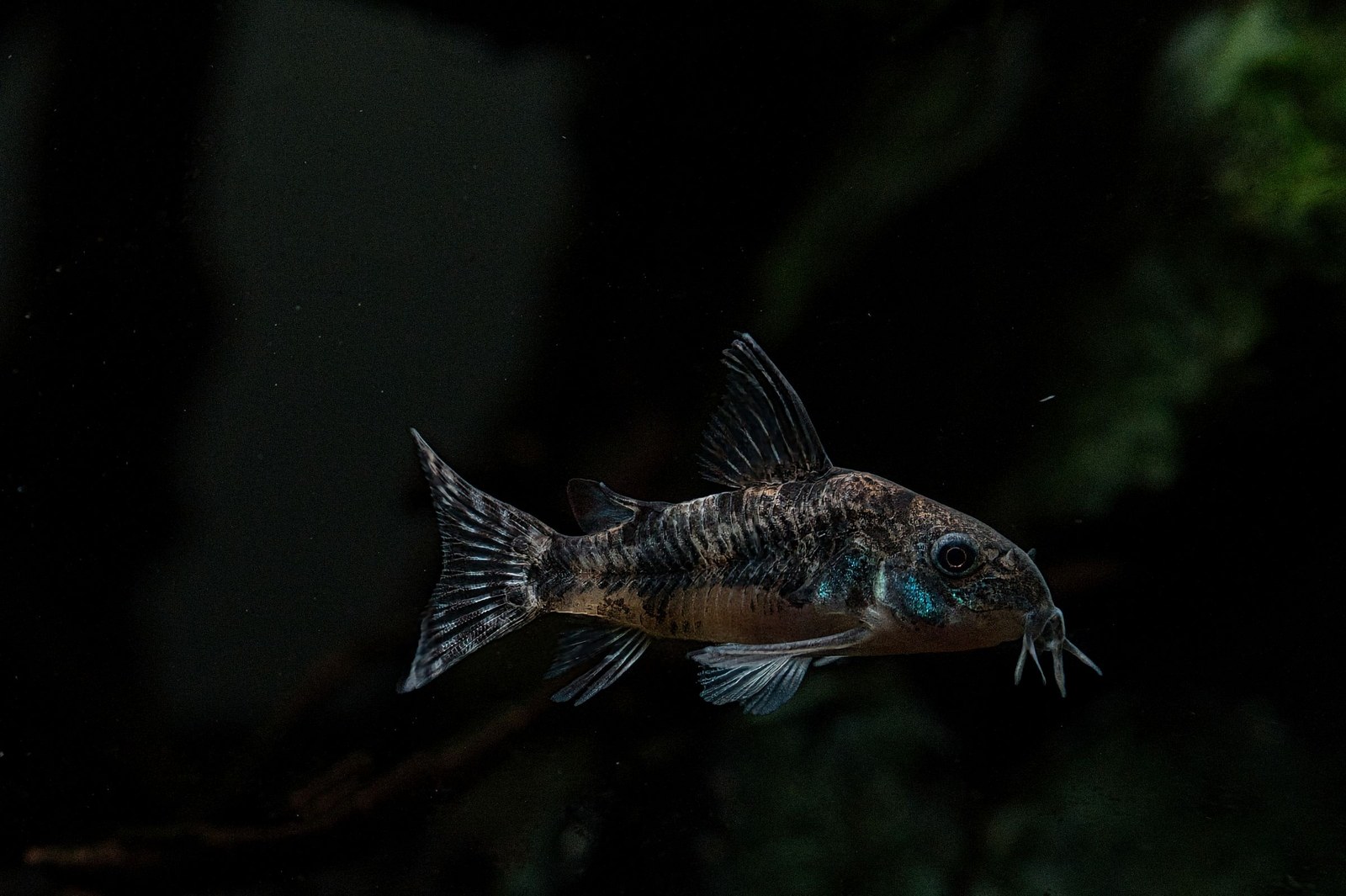
Vacuum your gravel lightly during every weekly water change — that rhythm keeps waste from piling up without stripping the tank of the biofilm and bacteria that make it healthy. You're not deep-cleaning; you're lifting uneaten food, fish waste, and decaying plant bits out of the substrate before they break down, cloud the water, and feed ammonia spikes. A tank doesn't need spotless gravel. It needs gravel that isn't quietly rotting.
How to Gravel-Vac Without Making a Mess
Use a siphon with a wide gravel tube, and work it slowly in a grid pattern. Push the tube down into coarse gravel and let it hover just above finer substrate — gravel tumbles inside the tube, dropping its debris into the siphon flow while the stones fall back. Move section by section rather than racing around the tank, and don't chase perfection: rotating which third of the tank gets a thorough pass each week keeps the whole bed clean over time while leaving bacteria refuges untouched. Keep the intake away from plant roots and from the filter intake, and watch small fish — curious fry and tiny shrimp sometimes investigate the tube. Since vacuuming removes water anyway, pairing it with your water change means one chore does double duty.
Gravel, Sand, and Planted Tanks Play by Different Rules
Coarse gravel traps the most debris and benefits most from weekly vacuuming. Sand shows waste on the surface instead — hover the siphon just above it and swirl gently to lift debris without sucking the sand bed away. Heavily planted tanks need the lightest touch of all: plant roots and the mulm around them are part of the ecosystem, so vacuum only open areas and the surface, and leave the planted zones mostly alone. Bare-bottom tanks (common for goldfish and fry) just need a quick siphon pass over the glass. Match the effort to the substrate, and remember that a little brown biofilm on stones is normal and even useful — it's the slimy, smelly buildup you want gone.
Keeping Gravel Duty From Being Skipped or Doubled
Gravel duty is exactly the kind of chore that gets skipped ("I thought you did it") or doubled (two people vacuuming the same week and stressing the fish). A household note of when the gravel was last vacuumed and what is due next replaces the guessing, and your weekly routine stays consistent even when different family members take turns. One glance at that note tells the next person exactly where the rotation stands. Relatives you select can open, via KinsLe Family Sharing, the profile belonging to the fish in this tank.