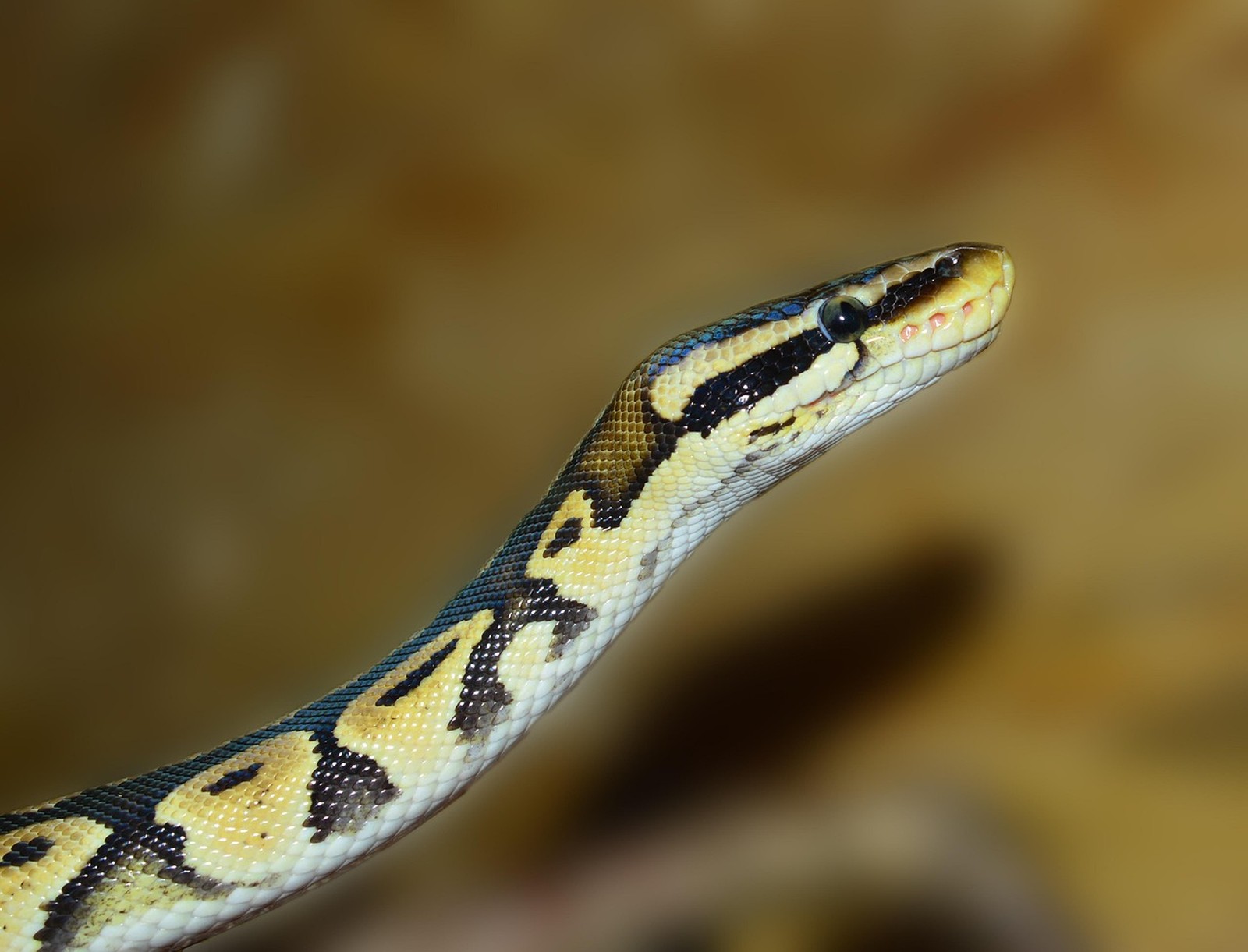
Ball pythons are often soaked out of habit, as though a bath belonged in the weekly routine. It does not. A healthy ball python with a water bowl large enough to climb into, and humidity held steady in its enclosure, drinks, soaks itself when it chooses and sheds in one complete piece without any help from a bath. Routine soaking you impose on such a snake adds handling stress and can chill the animal, all to solve a problem it does not have. Reserve soaking for the situations where it genuinely helps.
When a soak is the right tool
The clear case is stuck shed: patches of old skin clinging after the rest has come away, a tail tip still wrapped in a tight ring of old skin, or a shed that has come off in ragged pieces instead of one long tube. A soak softens that retained skin so it can work loose as the snake moves. Mild dehydration is the second case, shown by wrinkled skin and a shed that crumbles rather than peels. A soak supports the snake while you also correct the cause, usually humidity that has run too low during the shed cycle. Retained eye caps, the clear scales over the eyes failing to shed, are not a home soaking project: repeated soaking and any attempt to pull a cap off can damage the eye, so a snake with retained caps belongs in front of a vet who treats reptiles.
How to run a problem soak
Use a clean, secure tub with a ventilated lid, because a soaking snake that decides to leave will do so quietly. Fill it with lukewarm water around 80 to 85 degrees Fahrenheit (27 to 29 degrees Celsius), deep enough to reach about halfway up the snake's body, so the body is supported while the head stays clear without effort. Lower the snake in gently, set the lid on, and leave it for fifteen to twenty minutes in a warm, quiet room, staying nearby and checking that the water has not cooled sharply. When the time is up, lift the snake out and let it crawl through a damp towel in your hands, which gives loosened shed gentle friction to come away. Never peel, pick or pull shed that resists, and never use oils, soaps or shed products in the water. Dry it lightly and return it to its enclosure.
Fixing the cause instead of repeating the bath
One problem soak is a remedy; a snake that needs one at every shed is reporting on its enclosure. Check the humidity first, with a gauge placed where the snake actually rests rather than high on a wall, and add a humid hide: a hide box containing damp moss, kept moist through the shed cycle, which many ball pythons choose while they are in shed. Check that the water bowl is large, heavy and full of clean water, and that heat is provided without baking the air dry. A complete shed in one piece, with the eye caps visible in the shed skin, is the outcome a corrected setup produces.
The snake that soaks itself, and when to see a vet
A ball python found in its bowl for hours at a time, day after day, is often reporting a problem: snake mites drive snakes to soak for relief, overheating sends a snake to the coolest place it can find, and very low humidity makes the bowl the only comfortable spot available. Look for tiny dark specks moving in the water or around the eyes and heat pits, confirm the temperatures at floor level, and treat a persistent self-soaker as a symptom to investigate. See a vet who treats reptiles if shed stays stuck after a soak and a humid hide, if eye caps are retained, or if the skin looks blistered or discoloured. Noting each problem soak in KinsLe Care Teams, with what prompted it and how the shed finished, turns a vague memory of shedding trouble into a pattern a vet can actually use.