
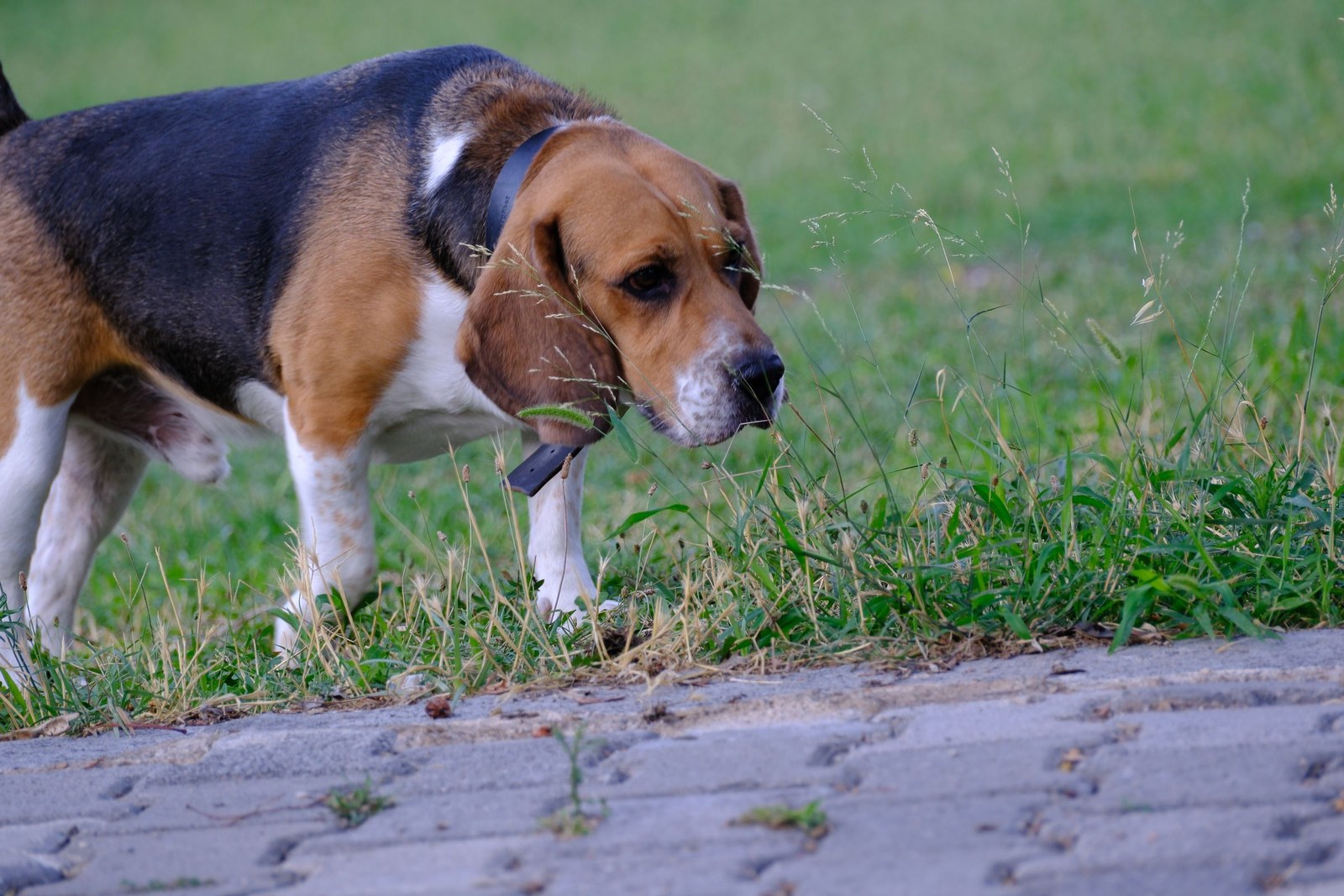
On a long drive, plan a proper break every 2 to 3 hours — a leashed potty stop, fresh water, and enough unhurried minutes for your dog to actually relax and go. A quick door-open on a noisy shoulder does not count. Dogs, like people, arrive calmer, cleaner, and less carsick when the trip is broken into predictable legs.
Why the 2-to-3-Hour Rhythm Works
Bladders are the obvious reason, especially for puppies, seniors, and small dogs, who may need the shorter end of that range — or even hourly stops for a very young puppy. But breaks do more than prevent accidents. Movement eases stiffness, a drink prevents the slow dehydration of panting in a dry car cabin, and a few minutes of sniffing burns off the restless energy that otherwise becomes whining, pacing, and seat-scratching by hour four.
Many dogs will not relieve themselves in the first rushed minute at a strange place. They need to circle, sniff, and feel safe — which is why experienced road-trippers budget 10 to 15 minutes per stop, not three. If your dog has not gone, walk a slow loop on grass away from traffic before giving up and driving on; the next two hours will go better for it.
Feed lightly on travel days. A normal big breakfast plus a winding road is a recipe for nausea in many dogs. Offer a smaller meal well before departure, save the full meal for your destination, and use small treats at breaks rather than a bowl of food in a parking lot.
How to Run a Safe Stop
Rest stops are one of the most common places dogs escape during travel, so treat every stop like a small procedure:
- Leash your dog while she is still inside the car — before any door opens.
- Let one person handle the dog while others handle doors, fuel, and coffee.
- Head for designated pet relief areas or grass well away from truck traffic.
- Offer water from a portable bowl; avoid communal bowls of unknown cleanliness.
- Do a quick tick, paw, and comfort check before reloading, and re-secure her restraint.
Choose stops with shade in summer and lighting at night, and never leave your dog alone in the car while everyone goes inside — rotate people instead. If your dog is nervous around strangers and other dogs, pick the far edge of the lot over the busy relief pen; a quieter corner where she will actually pee beats the “official” spot she will not use.
Reading Your Dog Between Stops
Drooling, lip-licking, yawning, and restlessness can be early carsickness or anxiety, not bad behavior. Crack a window for fresh air, check that she is not too hot, and consider making the next break sooner. Puppies often outgrow nausea, but a dog who is miserable on every ride deserves a chat with your veterinarian before a big trip, not just endurance.
Build the route around the dog you have. A confident adult Labrador may happily do three-hour legs with a good stretch; an elderly Dachshund with a delicate back needs gentler handling, shorter legs, and help in and out of the vehicle every single time.
Keeping Every Traveler in the Loop
On multi-car or multi-person trips, breaks fall apart over simple confusion — who has the leash, who walked her last, did she actually drink? KinsLe Messenger, the per-pet communications hub for your dog, lets everyone traveling coordinate breaks, water, and updates in one thread tied to her profile instead of scattered texts. Your KinsLe Messenger thread on KinsLe keeps the last water stop, the leash handoff, and her next break in front of every traveler, so nobody has to scroll scattered texts to learn what she still needs.