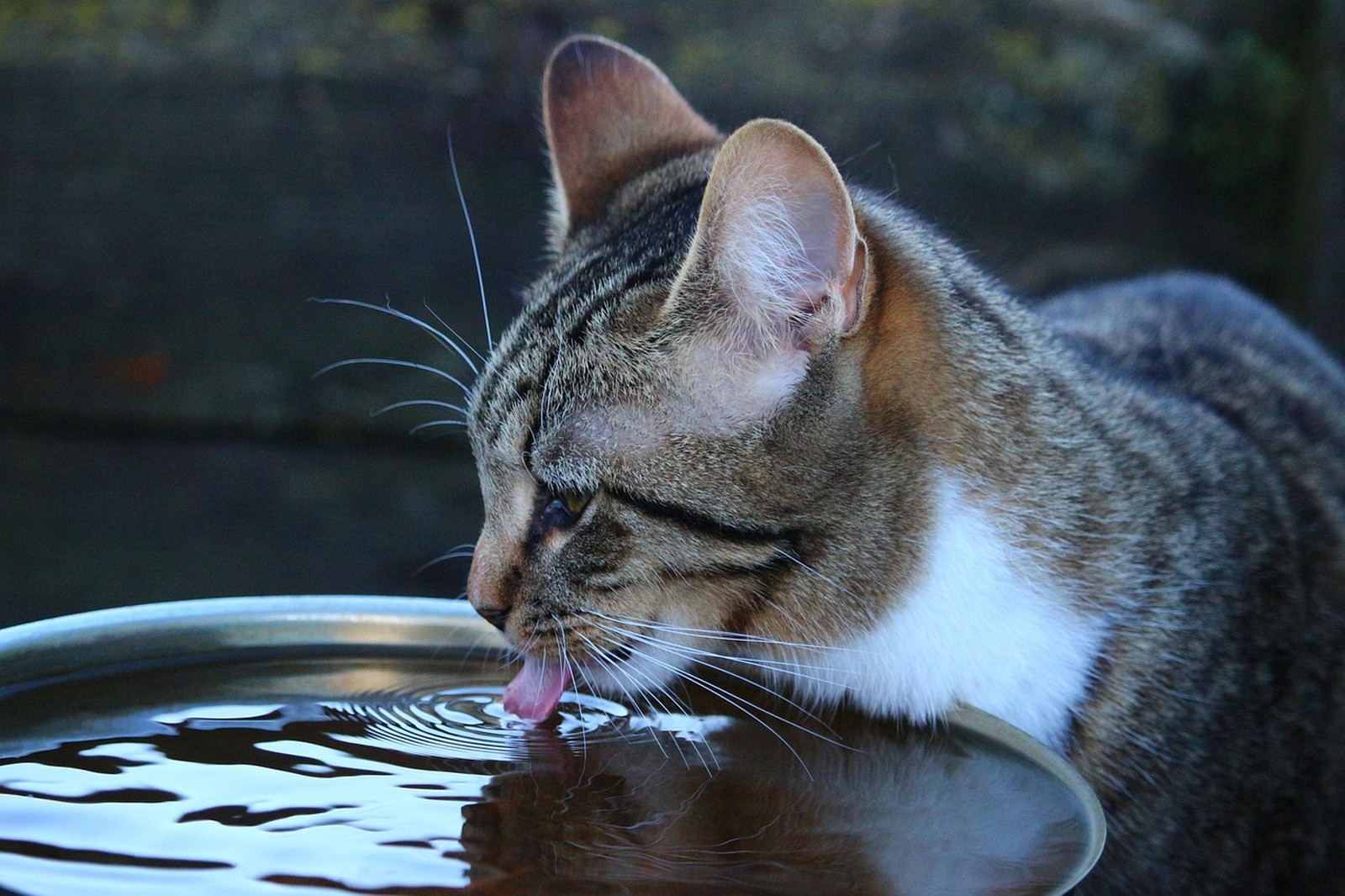
Wash the food bowl daily, wash any bowl that held wet food as soon as the meal is finished, and give the water bowl a proper hot, soapy wash every day or two, with a rinse and refill in between. That schedule is not fussiness: cat bowls are among the most bacteria-friendly objects in a kitchen, and the slimy layer you can feel on a water bowl after a few days is exactly what the routine exists to prevent.
The Biofilm Problem
That slippery coating is biofilm, a community of bacteria embedded in a film that a quick rinse does not remove. It forms fastest on water bowls and on bowls with scratches, textured surfaces, or food residue left sitting, and wet food accelerates everything because it is moist, rich, and left at room temperature in the bowl. Scrubbing is the step that breaks biofilm up, so use a brush or sponge kept for the cat's bowls alone, hot water, and washing-up soap, then rinse thoroughly so no soap taste lingers to put the cat off drinking, and let the bowl dry fully when you can. A dishwasher cycle is the easiest thorough clean if the bowl is dishwasher-safe.
Wet Food, Dry Food, and Water: Three Schedules
Wet food bowls need washing after every meal, and uneaten wet food should be picked up rather than left grazing-style for hours, since it dries, smells, and grows bacteria in the bowl. Dry food bowls are less urgent but still collect saliva, skin oils, and dust, so the daily wash applies to them too; a full daily scrub matters most where a cat drops kibble back into the bowl after chewing. Water bowls sit in between: fresh water daily, because cats prefer clean water and drink more of it, and a soapy wash every one to two days before biofilm gets a grip. Drinking fountains need more, not less, attention: take one apart and wash all its parts weekly, since the hidden surfaces grow film where you cannot see it.
Bowl Material and Chin Trouble
Smooth stainless steel and glazed ceramic clean most completely, while scratched plastic holds residue in its grooves and is worth replacing once it roughens. Material matters for a second reason too: some cats develop feline chin acne, seen as black specks or small bumps on the chin, and dirty bowls rubbing against the chin at every meal can contribute; keeping bowls scrupulously clean is a standard first step, and a chin that stays sore, swollen, or infected needs a vet rather than more scrubbing. Whatever the bowl, keep two sets if you can, so a clean, dry set is ready while the other is in the wash, and the routine never waits on the dishwasher.
Sharing the Job Without Dropping It
Bowl washing fails in busy homes not from disagreement but from assumption: everyone thinks someone else did it. Fix the bowl wash to the evening feed as one combined duty, and make its completion visible to the household. In KinsLe, listing 'wash bowls' on your cat's Care Teams duties, marked complete with a timestamp at each evening meal, closes that gap, so your cat eats and drinks from a genuinely clean bowl every single day.