
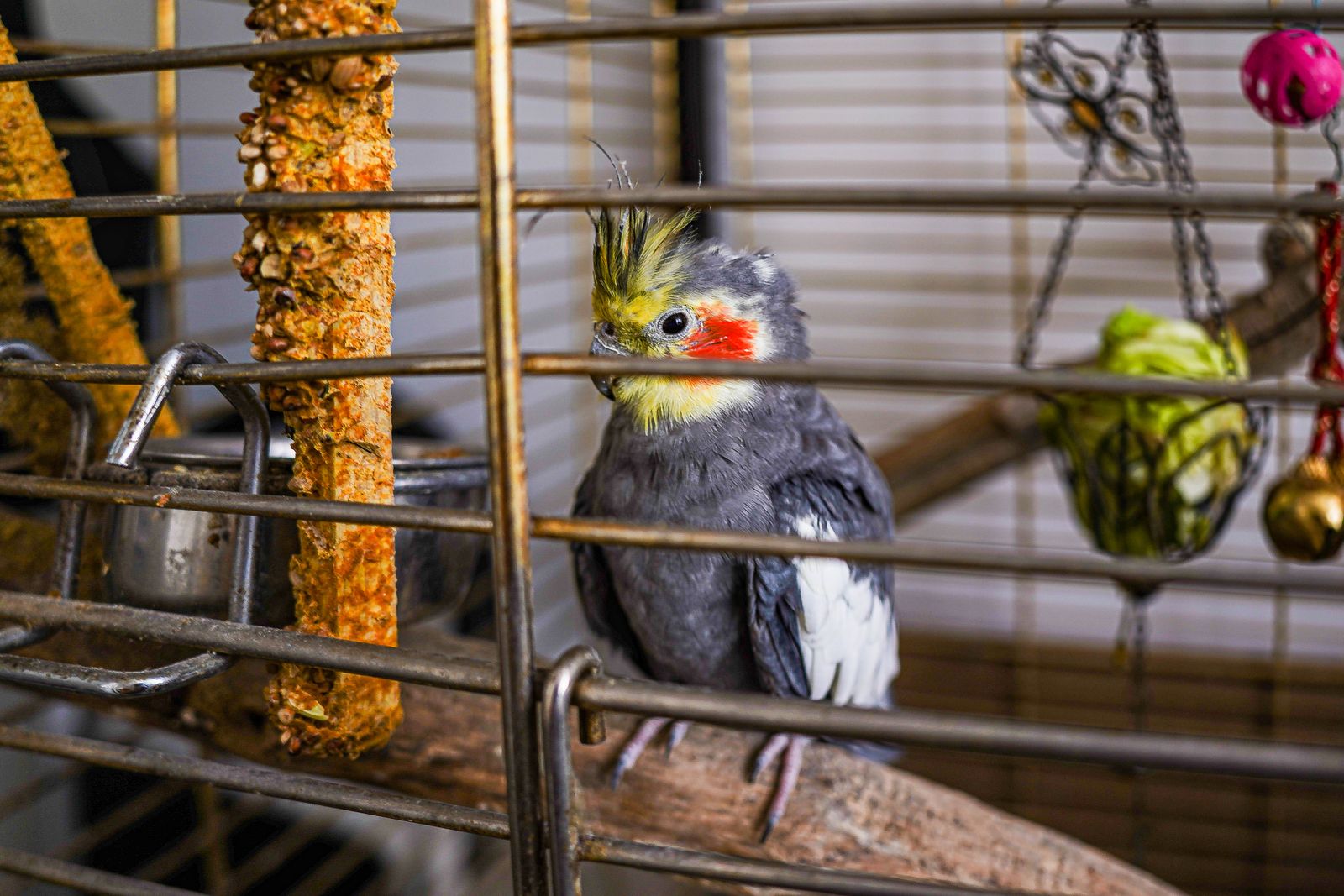
A checkup soon after you bring your bird home, followed by yearly wellness visits, is the rhythm most avian vets recommend. That first visit sets a baseline while your bird is well, and the annual visits catch weight changes and early beak, feather, and breathing issues at the stage when they are easiest to address — long before they turn into emergencies.
The First Visit: Baseline, Not Just a Formality
Book the new-bird appointment within the first few weeks, sooner if your bird came from a rescue, a busy pet store, or a home with other birds. The vet will typically weigh your bird, listen to breathing, examine the beak, nares, eyes, feathers, feet, and vent, and review droppings. You will talk through diet, cage size and placement, sleep hours, and quarantine if you already have birds at home.
Bring whatever history exists: paperwork from the breeder or rescue, known hatch date or age, previous diet, and any records of past visits. For adopted birds with unknown histories, say so plainly — the vet would rather build a baseline from today than work from guesses. If you are planning to add a second bird later, ask about quarantine length and testing at this visit, while it is still hypothetical and unhurried.
What Yearly Wellness Visits Actually Catch
Birds change slowly and hide problems well, so an annual hands-on check earns its place. A gram-scale weight trend across years can flag a problem months before your eyes would. Beaks and nails get trimmed or assessed before overgrowth interferes with eating. Feather quality can prompt a diet conversation — for example, a seed-only menu for a cockatiel or conure is a common finding, and vets can help you transition gradually to a more balanced diet without a hunger strike.
The visit is also your chance to ask the small questions that never justify a call on their own: Is this molt pattern normal? Should this older budgie's cage perches be rearranged lower? Is my African grey's weight where it should be for winter? A list on your phone, built up over the year, turns a routine visit into a genuinely useful one.
When To Go More Often
Yearly is a floor, not a ceiling. Senior birds, birds with a known ongoing condition, and birds recovering from illness often do better on a schedule your vet sets — sometimes every six months. And any of the urgent signs — fluffed and quiet on the cage floor, breathing effort, bleeding, not eating, sudden behavior change — means an appointment now, regardless of when the last wellness visit was. When in doubt, phone the clinic and describe the signs; they would rather triage a call than meet a bird a day too late.
Between visits, keep your own light-touch monitoring going: a weekly weigh-in at the same time of day, a glance at droppings on fresh paper each morning, and a note of appetite or voice changes.
Keeping Records You Can Actually Hand Over
Scattered paperwork helps no one at appointment time. KinsLe's Pet Passport keeps vaccine, visit, and medication records together in one records packet — including meds, allergies, and documents — that you can share with your vet, or with a sitter who needs the essentials while you travel. Update it after each visit while the details are fresh: weight, any diet changes agreed, and the date the next check is due. A tidy packet also speeds up a first visit at a new clinic if you move house. After each appointment, file the new weight, any diet change agreed, and the next due date in the Pet Passport packet on KinsLe, so a relief sitter or a new clinic reads the same history you do.