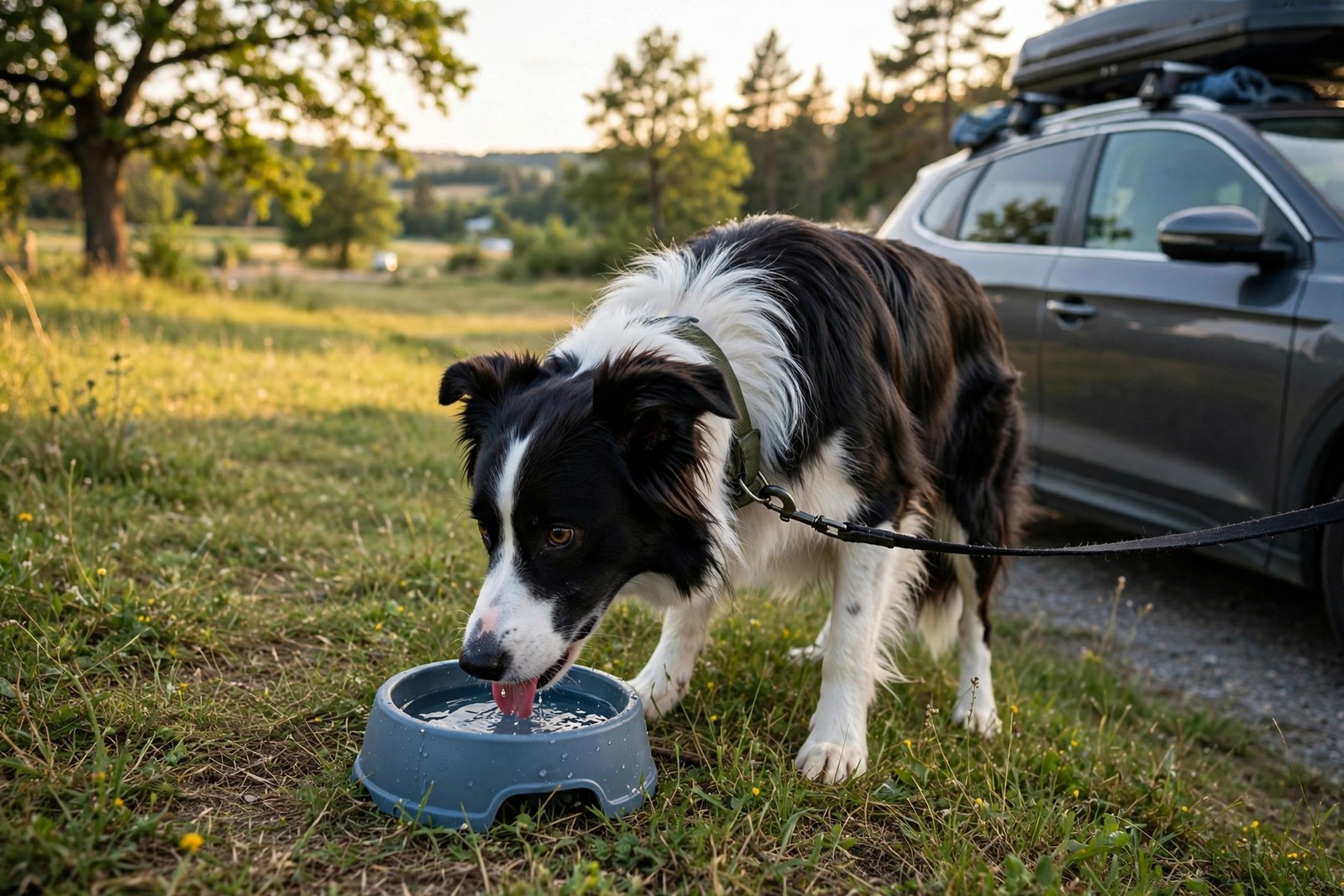
Work to a rhythm of a stop every two to four hours for a healthy adult dog. That interval lines up reasonably with human fuel and coffee stops, and it gives your dog regular chances to toilet, drink, and move before stiffness and restlessness build. Most dogs settle into the pattern after the second stop and start to sleep between breaks, which is the sign the rhythm suits them.
Who Needs Shorter Intervals
Puppies cannot hold their bladders as long as adults and are still learning that the car is safe, so plan on every one to two hours for them, with a toilet chance as the first thing at every stop. Senior dogs stiffen up in one position, may drink and toilet more often, and sometimes take medication on a schedule the trip has to respect, so keep their intervals at the shorter end too. Dogs prone to travel sickness do better with more frequent short breaks for fresh air, and any dog who is panting hard, drooling, pacing as much as the space allows, or whining persistently is asking for a stop now, whatever the clock says.
What a Good Stop Actually Includes
Fifteen to twenty minutes is a real stop; two minutes at the roadside is not. Leash your dog before any door opens, every time, because rest areas are full of traffic, strange dogs, and smells worth bolting toward. Offer water at every stop even if the dog only takes a few laps, walk long enough for a toilet break and a genuine stretch of all four legs, and use the time to check paws if you have walked over hot pavement, gravel, or winter salt. Feed main meals at a longer stop or at the day's end rather than in a moving car, and keep travel-day meals a little lighter than usual, which suits queasy stomachs and reduces the urgency of the next toilet stop.
Planning the Route Around the Dog
Build the stops into the plan instead of improvising them: choose fuel stations and rest areas together, aim for stops with grass away from the traffic lanes, and carry water, a bowl, waste bags, and a spare leash in the cabin rather than buried in luggage. On very long days, a proper midday break of thirty to sixty minutes with a real walk resets a dog far better than several rushed pauses. Never leave your dog alone in a parked car in warm weather while the humans eat indoors; either take turns staying with the car with windows managed and the dog in shade, or choose stops where the dog can be with you outside. In cold weather, older and thin-coated dogs may need a coat for the walk around.
Identification Matters Most at Strange Places
A dog lost at home is in familiar territory; a dog lost at a motorway stop is surrounded by traffic and strangers, which makes current identification the most important preparation of the whole trip. Check that the collar fits snugly enough not to slip over the head, and that contact details are readable and up to date before you leave. KinsLe's Verified QR ID Pet Profiles give your dog a unique scannable code for his collar, so anyone who finds him at a strange stop can pull up his profile and contact you directly, without waiting for a vet or warden to read a chip.