
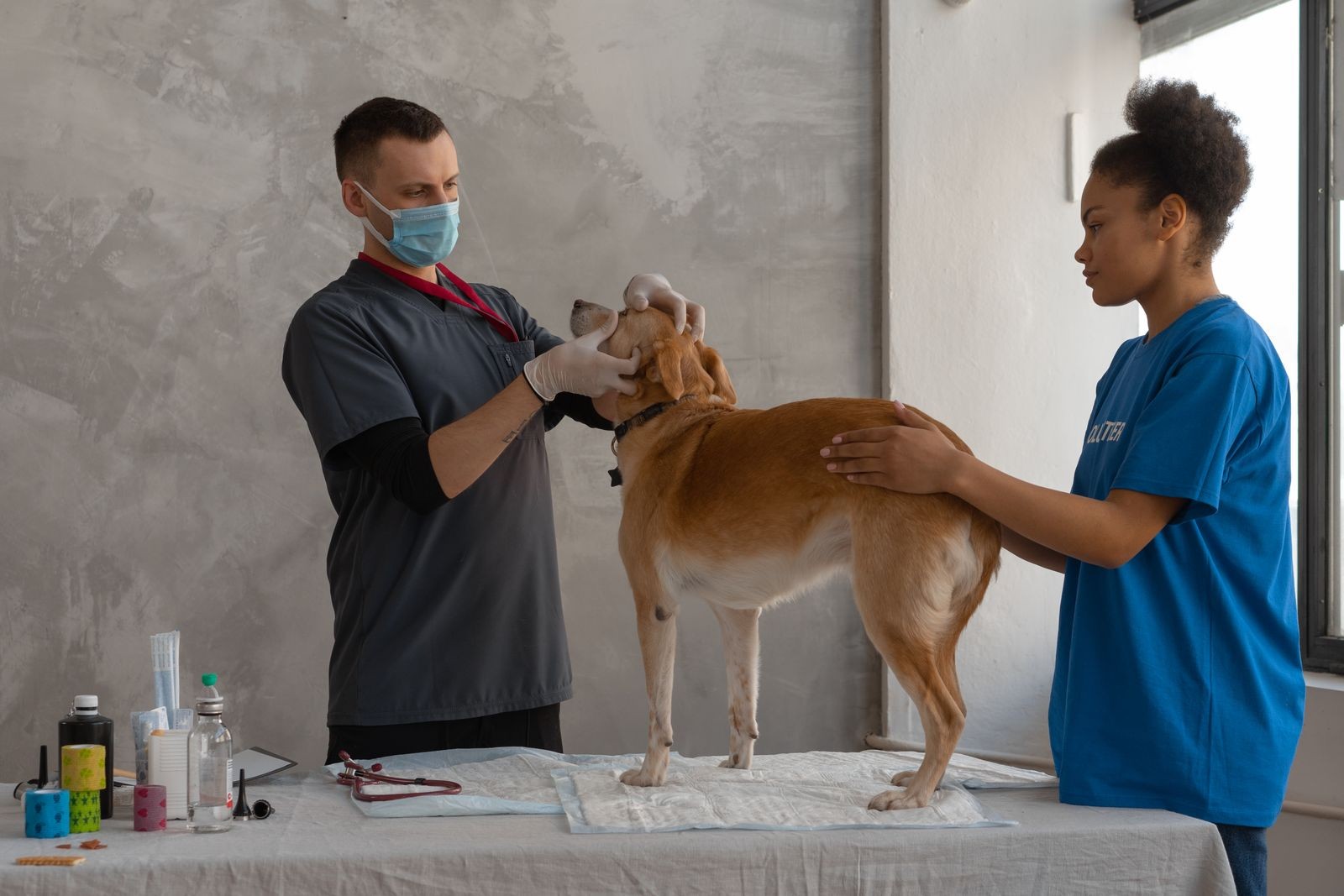
Book a vet visit soon after adoption — ideally within the first week or two — to check your dog's overall health, review any vaccines or records you received, and set up preventive care, even if the shelter already did a check. This first appointment is less about finding problems and more about establishing a baseline, a relationship, and a plan, so nothing important drifts while you and your dog are busy settling in together.
Why "the shelter already checked them" is not enough
Shelters do valuable work, but their exams happen in a stressful environment, often with limited history, and they are a snapshot rather than ongoing care. Your own vet becomes the clinician who knows your dog over years: their normal weight, heart sound, teeth, and temperament. Catching that relationship early means subtle changes later are spotted against a real baseline. The first visit also lets your vet verify vaccine status and restart or schedule anything incomplete — important because shelter paperwork can be partial, especially for strays with unknown histories.
Call ahead, too. Some clinics offer dedicated new-pet or first-adoption appointments with extra time for questions, and booking early matters because popular practices can have waiting lists.
What to bring and what to expect
Bring all paperwork from the shelter, rescue, or previous owner: vaccine certificates, microchip details, spay or neuter records, any medication information, and notes on food and behavior. Write down your own observations from the first days — appetite, water intake, stools, sleep, energy, fears, and anything unusual — because your notes from home genuinely help the exam.
Expect a nose-to-tail physical: weight and body condition, heart and lungs, ears, eyes, teeth and gums, skin and coat, joints and movement. Your vet may recommend tests appropriate to your region and your dog's background, review parasite prevention, discuss microchip registration in your name, and talk through nutrition, dental care, and the timing of any outstanding procedures. This is also your moment to ask the questions you have been saving: how much should this dog eat, how much exercise, what should you watch for?
After the visit: turning paperwork into a system
The appointment generates exactly the kind of documents owners lose: vaccine records with future due dates, weight records, medication details, and advice you meant to remember. File them immediately, note the next due dates somewhere you will actually see them, and keep the file updated at every visit. If your dog later needs a sitter, boarding, or an emergency clinic at midnight, that organized record becomes priceless — for a dog with a thin or unknown history, it is the medical story you are building from now on.
KinsLe's Pet Passport was made for this: it is the records packet for your pet — vaccines, medications, allergies, and documents kept in one place — and it is shareable with vets and sitters whenever they need it. Add your adopted dog's first vet paperwork to their Pet Passport, share it ahead of the next appointment, and everyone caring for your dog works from the same information. Before boarding or a sitter's first night, share the Pet Passport record on KinsLe for this dog, covering first-visit vaccines, weight, and medication details, so care starts from the clinic's own findings.