
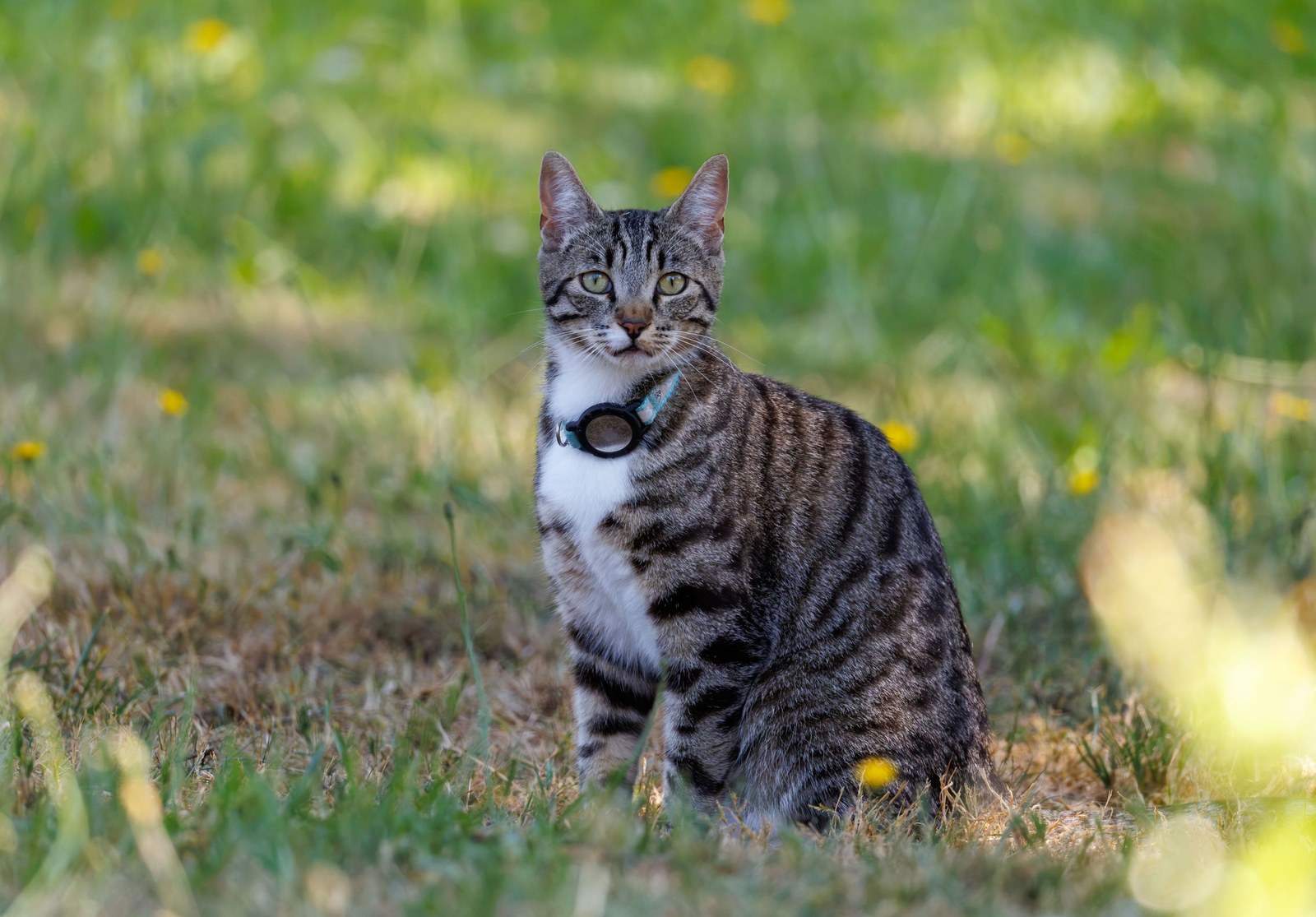
The moment you move, update three things: your phone number and new address with your cat's microchip registry, any engraved tag that still shows the old details, and the contact information a finder would see if she slipped out. Do it in the first 48 hours, before the boxes are even unpacked, because moving week is one of the highest-risk times for a cat to escape — and outdated ID turns a recoverable scare into a long search.
Why Moves Are So Risky for Cats
Cats navigate by territory, not by loyalty to an address. Your new home smells wrong, sounds wrong, and has none of her usual hiding spots mapped out, so her instinct is often to bolt toward the old territory or hide somewhere surprising. Meanwhile, your house is full of open doors: movers carrying furniture, friends bringing boxes, delivery drivers, and doors propped wide for hours. A normally relaxed cat can dart through a gap you would never normally leave open. Add the stress of the car ride and unfamiliar noises, and even confident cats behave unpredictably for the first few days.
Your ID Update Checklist
Work through this list in order:
- Microchip registry: Call the registry or log in online and update your address, phone, and email. Many owners registered years ago with a landline or an old mobile number — test the number listed by having someone read it back to you.
- Emergency contact: Confirm your backup person still lives nearby, still answers that number, and knows you have moved. An out-of-state relative is a weak backup if your cat is found two streets away.
- Collar tag: Replace any tag engraved with the old address. Your mobile number matters more than the street address, but both should be current.
- Vet records: Register with a vet near the new home, or ask your old practice to transfer records, so your cat's file and chip number are on hand locally.
- Photos: Take fresh, clear photos in the new home. If she does get out, you want current pictures ready immediately, not ones from three homes ago.
Settling Her In Safely
Set up one secure room first — litter tray, water, food, a scratching post, and something that smells like the old home, such as an unwashed blanket. Keep her in that room while doors are opening and closing for movers, and put a clear sign on the door so nobody wanders in. Let her explore the rest of the house room by room over several days, always able to retreat to her safe room. Keep windows closed and check for gaps behind appliances and under cupboards; cats squeeze into spaces that look impossibly small when they are frightened. If she goes outdoors normally, keep her inside for at least a few weeks until the new home feels like hers.
How KinsLe Makes Updating Simple
With a KinsLe Verified QR ID Pet Profile, every cat has a unique QR ID linked to her profile, so the details a finder sees are the details you keep current in one place. Change your phone number after a move and you update it once, rather than ordering a new engraved tag and waiting for it to arrive. Anyone who finds your cat can scan the code and reach the right information straight away. Update your profile on moving day, alongside the chip registry, and both safety nets point to the same correct number. Verified QR ID Pet Profiles make her identity checkable at the door of whoever finds her: the profile a scan opens on KinsLe shows your new address and phone number, so a neighbor can confirm this cat is yours before calling you.