
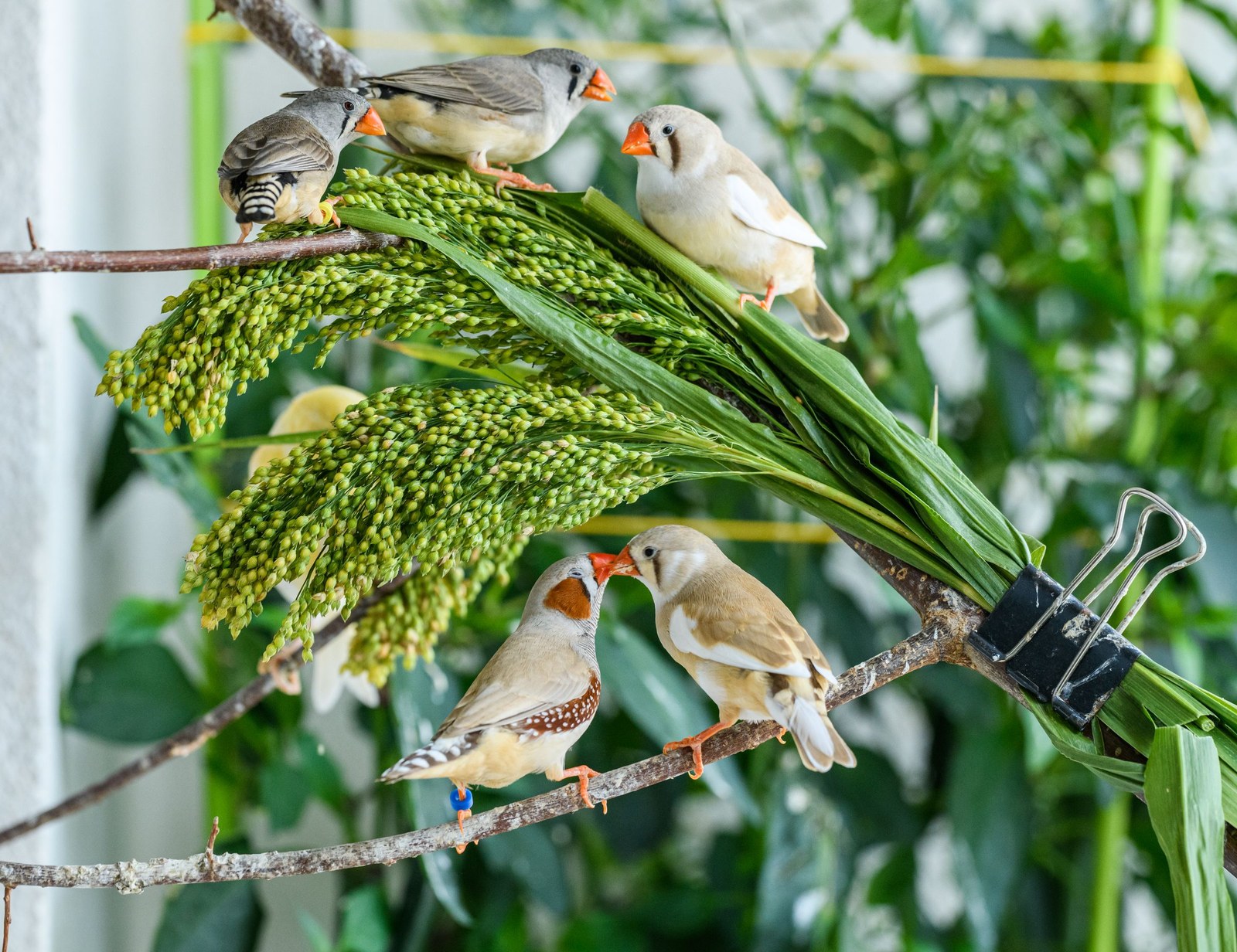
Yes — finches and canaries are ideal pets if you do not want to handle a bird. They are active, musical, and endlessly watchable, and asking nothing of your hands is actually what they prefer. A canary's song or a small finch flock's soft chatter can make a room feel alive, all without the taming, stepping-up, and shoulder time that parrots require.
What Hands-Off Really Means
Hands-off does not mean no care — it means the care is about environment instead of interaction. Finches and canaries need daily fresh seed or pellets and water, regular servings of leafy greens or egg food during molts and breeding condition, and a thorough weekly cage cleaning. You will still catch them occasionally — for a vet visit or a health check — usually with a soft net or a towel and a calm hand, ideally after dimming the lights. The rest of the time, your job is to furnish a good life and enjoy watching it.
Setting Up a Cage They Can Actually Fly In
Flight is these birds' exercise and joy, so cage shape matters more than for almost any other pet bird:
- Choose width over height — a long flight cage lets finches do what they do best.
- Offer several perches at different levels, with space to fly between them.
- Add a shallow bath dish; many finches bathe daily and it is half the entertainment.
- Place the cage in a calm, bright spot away from drafts, direct midday sun, and kitchen fumes, which are dangerous to all birds.
- Expect seed husks and feathers — a cage skirt or a mat underneath saves daily sweeping frustration.
Finches Want Company; Canaries Vary
Most finches are flock birds and should never be kept singly. Zebra finches and society finches are hardy, social classics for beginners, happiest in pairs or small groups, though zebras can be pushy in mixed aviaries — research compatibility before mixing species. Canaries are different: males sing best and often prefer their own cage, and two males housed together may fight. A single male canary, singing to the household from his own flight cage, is a complete and happy setup.
Health Notes for Small Birds
Small birds hide illness and decline quickly, so watch for fluffing up for long periods, sitting on the cage floor, tail-bobbing while breathing, or going quiet. Keep a small travel cage ready so a sick bird can reach an avian vet fast, and never use scented sprays or nonstick cookware fumes near them. Because they are rarely handled, weigh and observe during cleaning to catch changes early — and see a veterinarian promptly rather than trying home remedies.
Finding Care When You Travel, With KinsLe
Daily feeding means even watch-only birds need a plan when you go away. KinsLe's Pet Services Directory helps you find local groomers, vets, sitters, and trainers — look for a sitter who is comfortable with small birds specifically, since finch and canary care is a niche many dog sitters have never handled. Leave written feeding and cleaning notes with your bird's profile. Pet Services Directory points you toward a nearby sitter experienced with finches and canaries through KinsLe, so daily feeding and cage checks continue while you travel.