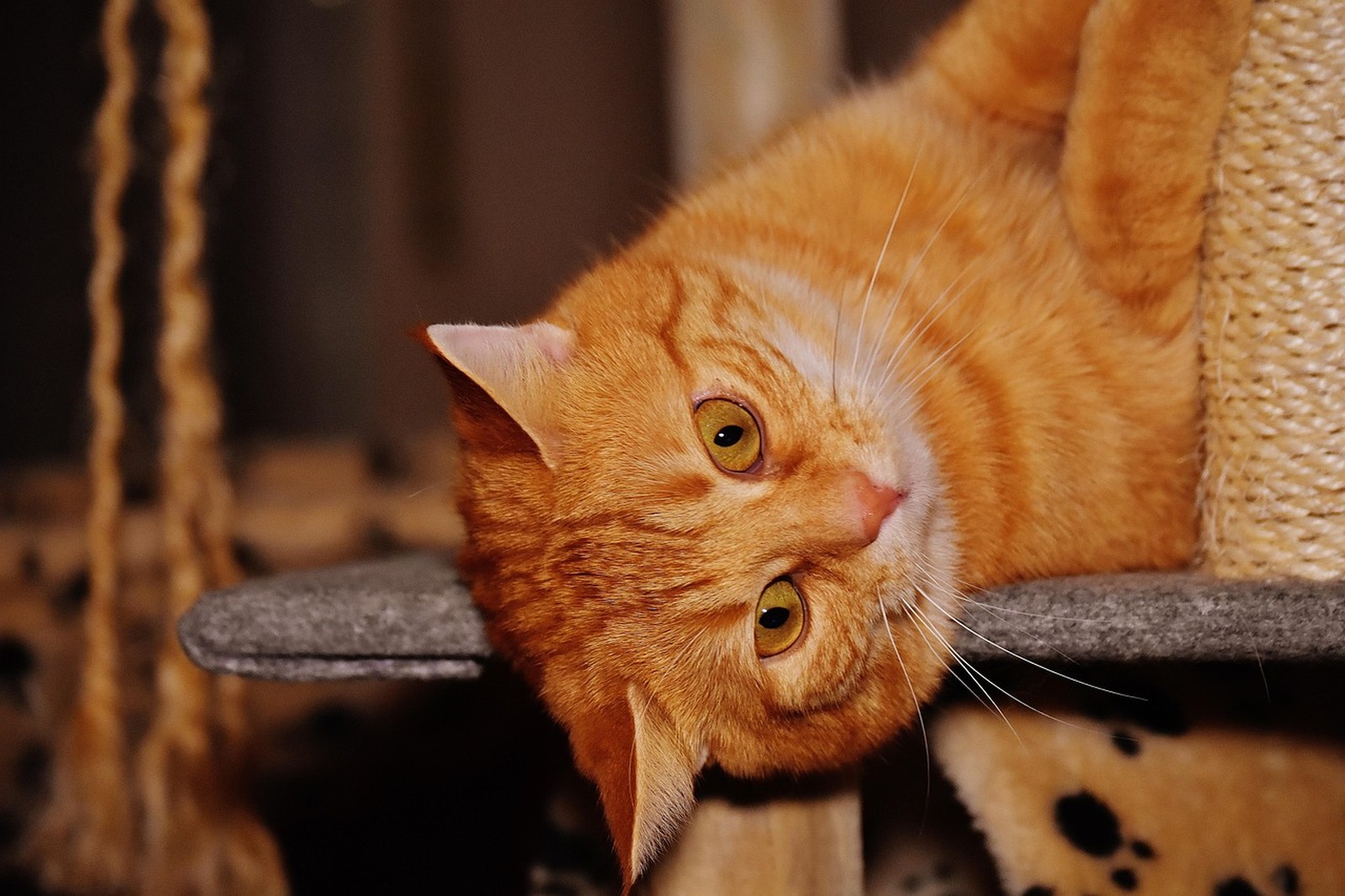
An indoor-only home is fair on a cat — and on the evidence of the lives cats actually lead, it is usually the kinder arrangement. Cats with outdoor access face traffic, predators, fights with other cats, poisons, and infectious diseases picked up through bites and contact, and indoor cats commonly live considerably longer as a result. Fairness, though, is not decided by the front door. It is decided by whether the indoor world supplies what a cat's instincts are built for, because a cat kept safe but chronically bored has traded one welfare problem for another.
What a cat needs the outdoors for — and how to replace it
Cats roam to hunt, to patrol territory, to scratch and mark, to watch the world from height, and to find quiet solitude. Each drive has an indoor substitute. Hunting becomes interactive play: two sessions of ten to fifteen minutes a day with a wand toy, letting the cat stalk, chase, catch, and 'kill' the toy, ideally followed by a meal or a few treats so the hunt ends in a satisfying meal rather than frustration. Territory becomes vertical space — shelves, a tall scratching tree, a cleared bookcase top — plus more than one resting place so the cat can choose company or solitude. Scratching becomes sturdy posts placed where the cat actually wants to scratch, near beds and doorways, not hidden in a corner.
Window access punches far above its weight: a perch or hammock at a window with bird activity outside is television, territory patrol, and sunbathing in one. Puzzle feeders, rotated toys, cardboard boxes, and a patch of cat grass round out an environment that changes enough to stay interesting.
Resources and the multi-cat household
Under-provisioning is where indoor life quietly becomes unfair, and it shows first in multi-cat homes. The working rule is one of each key resource per cat, plus one spare, spread in different locations: litter boxes, feeding stations, water, scratching posts, and warm sleeping spots. Cats forced to queue past a housemate they merely tolerate live under low-level stress that owners often miss until it surfaces as spraying, over-grooming, or litter-box avoidance. A cat showing those signs, or a sudden change in appetite or hiding, deserves a veterinary check before it is labeled a behavior problem, since indoor cats hide illness as skilfully as outdoor ones.
Safe middle paths, and the verdict
Owners with the space can offer a compromise: a secured garden enclosure or 'catio', or harness-and-lead walks for cats who take to them, giving outdoor air and stimulation without free roaming. Some cats love these; some find a harness intolerable, and the cat's reaction decides.
Judged fairly, then: an indoor-only home with daily play, vertical territory, scratching provision, window access, and resources enough for every cat is not a compromise at all — it is a full feline life with the dangers edited out. Keeping that enrichment daily is the discipline, and logging play sessions, litter duty, and feeding in KinsLe's Care Teams, with tasks assigned across the household and timestamped, stops a good indoor life quietly thinning out on busy weeks.