
Why Floor Space Is the Wrong Measure
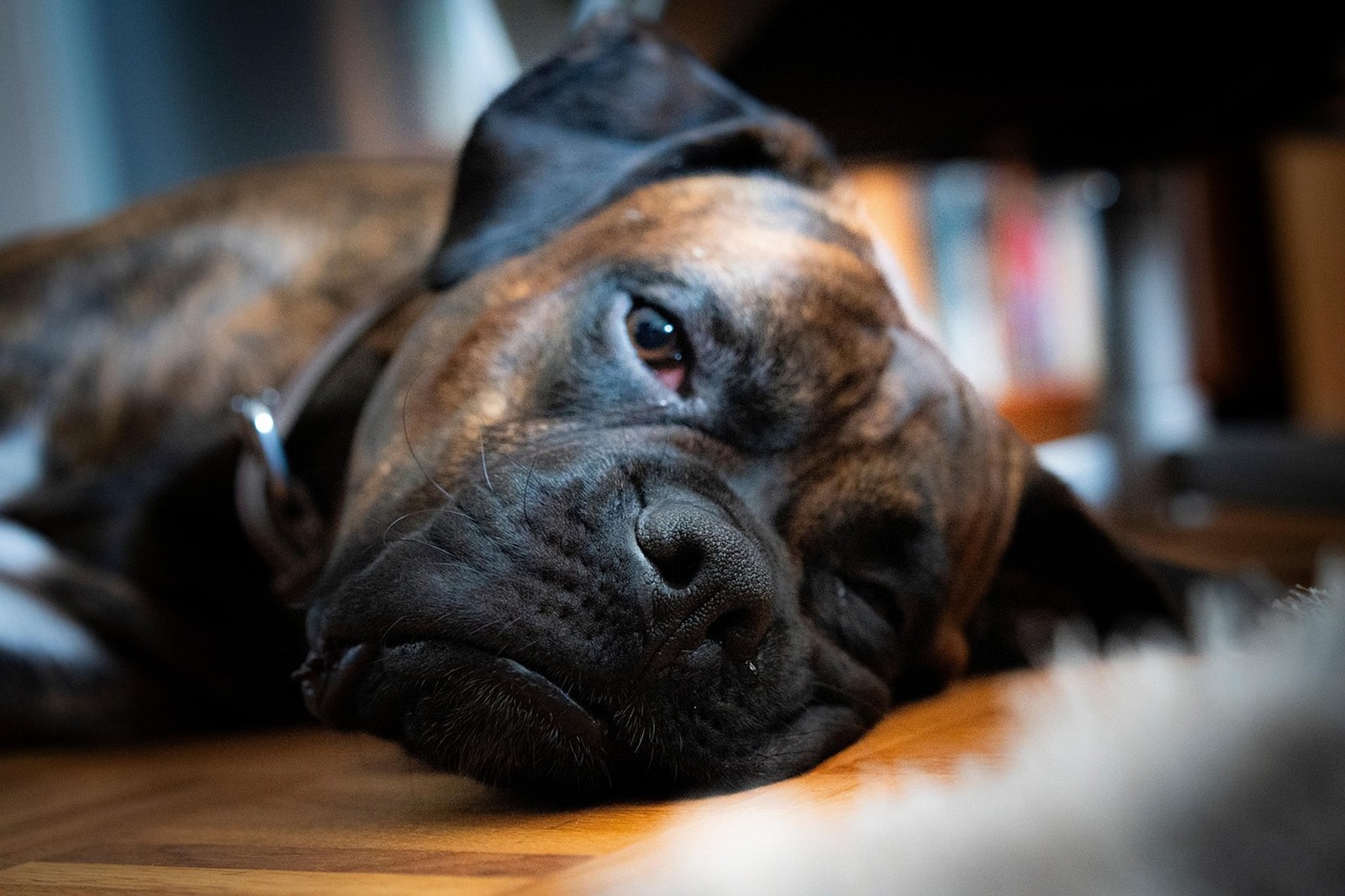
People picture a large dog in a small house as a bull in a china shop, but dogs do not use homes the way humans do. Indoors, a dog's territory is his bed, his spot near you, and the route between them; the rest of your floor plan is scenery he crosses, not space he occupies. Watch any settled large dog at home and you will see an animal asleep for most of the day, unconcerned that the room is modest. What no dog can thrive without is what happens beyond the front door — exercise, exploration, training, company — and none of that is measured in square metres. A big dog in a small house with a rich outdoor life is better kept than a small dog in a mansion who never leaves the garden.
The Breeds and Ages That Change the Answer
Fairness depends heavily on which large dog you mean. Many of the biggest breeds are famously placid indoors — bred to work in bursts or to guard calmly — and they fold themselves into small homes with surprising grace. A young, high-energy large breed is the harder case: an adolescent bred to run, herd, or hunt all day will find a small house confining only if his exercise and mental work fall short, at which point the house itself starts paying for the deficit in chewed door frames and rearranged furniture. Age matters at the other end too — a giant breed growing old needs ground-floor living or manageable access, because carrying a very large dog up stairs is not a plan.
The Practical Friction of Close Quarters
Small-house life with a big dog has honest inconveniences worth pricing in. The dog takes up real room when he stretches across the only hallway, wets the walls when he shakes after rain, and fills the car entirely on vet trips. Visitors navigate around him, toddlers meet him at face height, and thin walls make a large dog's barking a neighbourly issue in a way it never is in a detached house. None of these make the arrangement unfair, but they make it deliberate: training that produces a dog who settles on cue, moves aside politely, and greets guests calmly is not a luxury in a small home — it is the mechanism that makes the whole thing work.
The Daily Routine That Makes It Fair
The households that make this succeed share a pattern: the dog's exercise is scheduled like a bill that must be paid, in all weathers, split between the people in the home so no single person carries it and no day quietly skips it. Mental work — training games, scent work, food puzzles — happens indoors precisely because the house is small and the dog needs occupation within it. The dog is included in the family's outings rather than left as furniture with a pulse. Judge your own proposal by that standard: if the routine honestly holds, the small house is no obstacle; if the routine is a fantasy you are telling yourself at the rescue centre, choose a dog whose needs match the life you actually live.
The Verdict, and the Household's Part
So yes — a large dog in a small house is fair when the dog's exercise, training, company, and old-age practicalities are genuinely provided for, and unfair mainly when the house becomes the dog's whole world. The size of the commitment is shared across everyone under that small roof, which is exactly where coordination matters. With KinsLe, Family Sharing lets the whole household work from the same care details, so the walks, feeds, and training that make a big dog's small-house life a good one never depend on one person's memory.