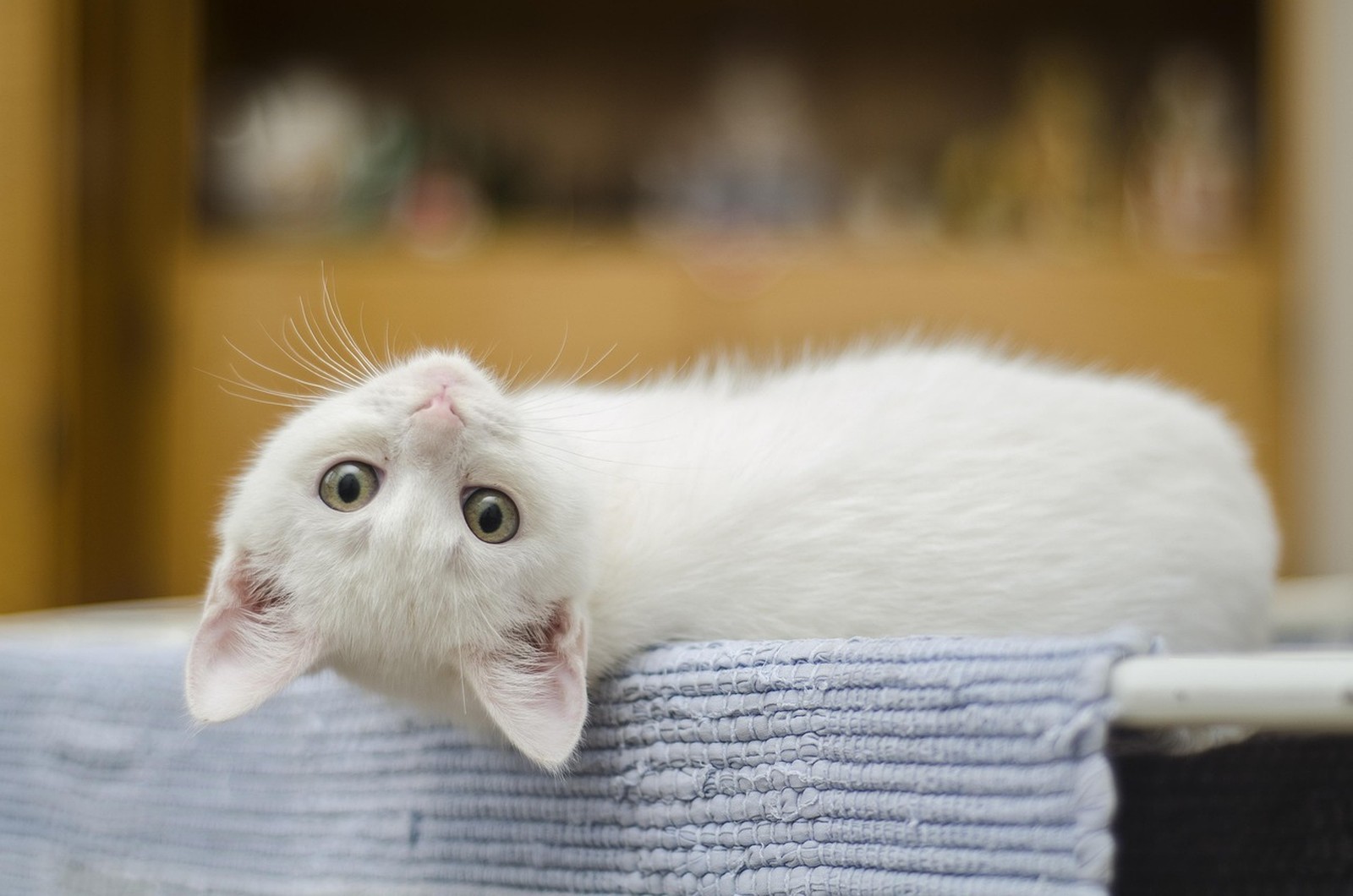
A cat's nose can feel bone dry at breakfast and damp again by evening without anything being wrong. Warm rooms, a recent nap, grooming, a meal, or a patch of sun all shift nose moisture through the day, so the wet-nose rule owners quote is a myth. Judge your cat by the whole picture — appetite, energy, breathing, litter habits, and behaviour — never by nose moisture alone.
The Nose Changes That Do Matter
What deserves attention is not dryness but change: persistent crusting, sores or ulcers on the nose leather, cracking that bleeds, a colour change or pale nose leather (pallor can reflect anaemia and matters), one-sided discharge, sneezing fits with discharge, or a nose that looks swollen or misshapen. White and pale-eared cats add one specific risk: sunburn on the ears and nose, which can progress to skin cancer, so a white cat who sunbathes in windows benefits from a vet conversation about sun protection. A dry nose alongside a cat who is off food, hiding, breathing oddly, or not drinking is a sick cat with a dry nose — the company it keeps, not the dryness, is the signal to act on.
Working With Your Vet
With nose changes, the useful record is a timeline: the day crusting, discharge, or a colour change first appeared, whether it affects one side or both, and what else shifted alongside it — appetite, sneezing, energy. Photograph the nose leather in similar light a few days apart; a slow change that memory blurs becomes obvious side by side, and those dated photos are exactly what a veterinarian can judge from. Diagnosis stays the vet's job — your notes simply give the examination a starting point instead of a guess.
See a vet for nose sores that do not heal in two weeks, persistent discharge (especially one-sided), bleeding, or a dry nose combined with appetite or energy loss.
For a white or pale-nosed cat, give the timeline one extra line: how much time she spends sunbathing in windows, and whether the nose leather or ear tips look pinker, flakier, or scabbed than they did a month ago. Sun damage creeps up slowly enough that monthly photos catch what weekly glances miss, and a vet who can see that progression can judge far better whether a patch is healing sunburn or something that needs a biopsy.
Keep that nose timeline with the rest of her health record rather than in a phone note you will lose. Filed in KinsLe's Pet Passport, the dates, photos, and past visit summaries travel as a single packet, letting the vet read what changed and when instead of hearing a summary from memory.