
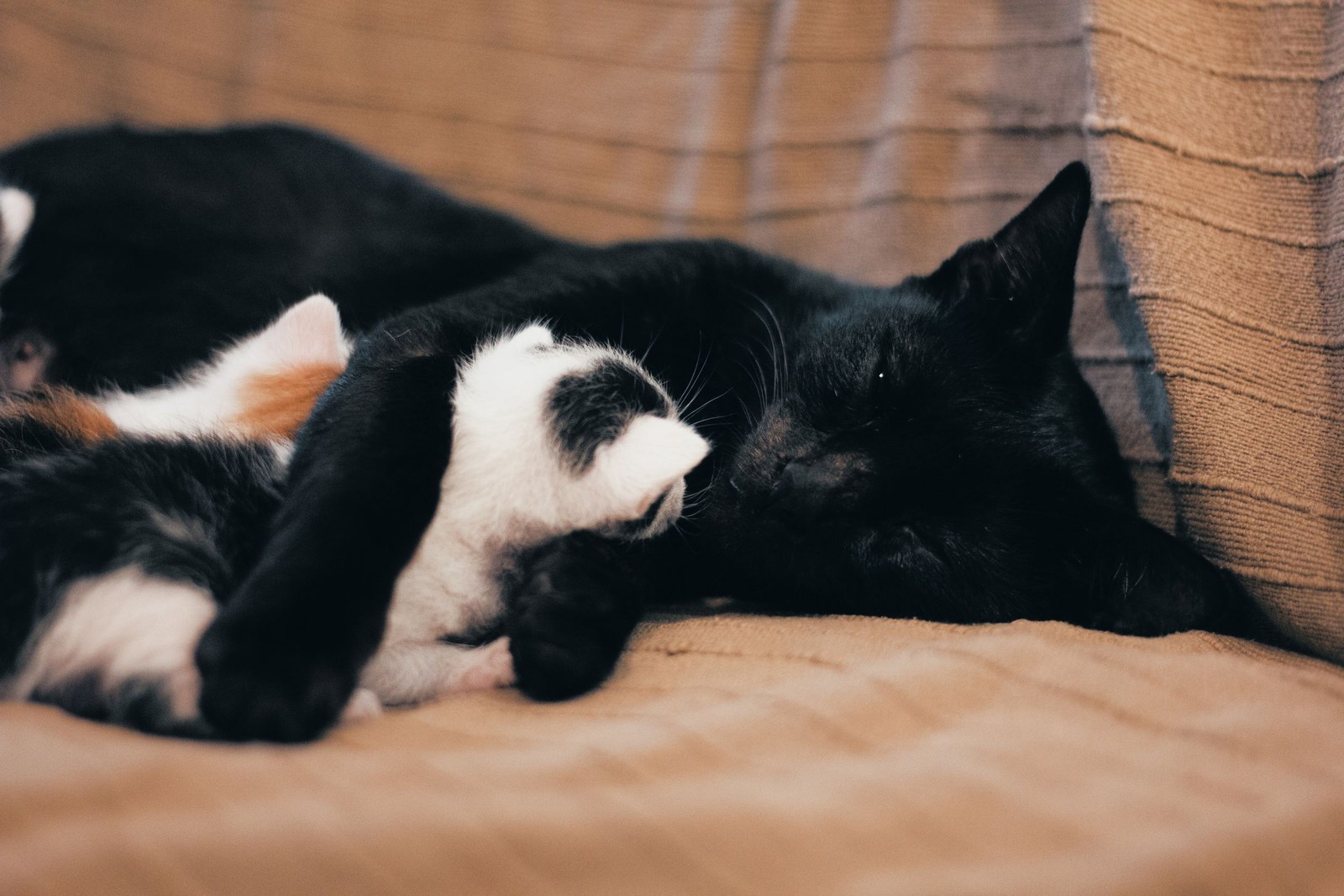
Yes, it is usually normal for a senior cat to sleep noticeably more than she did in middle age. Older cats commonly sleep in longer stretches, nap more deeply, and play in shorter, less intense bursts, conserving energy the way retired athletes do. A fourteen-year-old who snoozes through the afternoon, wakes for dinner, socialises for an hour and then settles again is showing a classic senior rhythm — as long as the change has been gradual and she is still herself when she is awake.
What normal senior sleep looks like
Expect more daytime dozing, a preference for warm, predictable sleeping spots, and less interest in marathon play. Many older cats still have a lively window — often around your mealtime or in the early evening — when they patrol, ask for attention and eat well. Appetite, litter habits, grooming and affection during waking hours should look broadly familiar, even if everything happens at a slower tempo.
Gradual is the key word. A cat who has eased into extra sleep over a year, while keeping weight, appetite and personality steady, is usually just ageing. Keep her routine, beds and access points stable so restful sleep is not interrupted by avoidable effort, like having to jump for a favourite perch she can no longer reach safely.
When extra sleep is a warning sign
Book a vet visit when the increase is sudden, or when sleeping comes packaged with other changes: withdrawing from the family, hiding in unusual places, eating less, drinking or urinating more, missing the litter box, crying at night, staring at walls, or seeming confused in familiar rooms. Sleep paired with any of those is no longer just a nap habit — it is a pattern your veterinarian should interpret.
Also pay attention to quality of waking time. A senior who sleeps more but wakes bright, hungry and interested is very different from one who is hard to rouse, disoriented on waking, or uninterested in food and people she loved last month. Trust a marked change: you know her normal better than any chart, and owners are usually right when they say, 'She is just not herself.'
Note when it started as precisely as you can — 'since the hot week in August' is more useful than 'a while' — and whether anything else changed at home at the same time, from a new pet to different working hours.
Keeping notes that make the vet visit count
For two weeks, jot down a simple daily line: roughly how much she slept, whether she ate her meals, litter box use, any play or social time, and anything unusual. Photos and short phone videos of her waking behaviour or night-time restlessness can help your vet see what you see, especially since cats often perform their healthiest behaviour in the exam room.
Bring her medication list and diet details, and mention snoring changes, twitching, or episodes where she seems to stare through you. Your vet may suggest an exam and routine senior screening to check for age-related issues; that is not alarm, it is the standard benefit of catching change early.
Keeping her history together in her KinsLe profile
Every pet on KinsLe has a profile with a unique QR ID, and keeping your notes on energy, appetite and sleep in your KinsLe profile means the timeline travels with her — to the vet, to a sitter, to a family member who last visited at Christmas and cannot believe how much she sleeps now. A dated record turns worry into evidence and makes that vet conversation calmer and more useful for everyone.
When a neighbor or caregiver finds her outside, scanning her tag opens the Verified QR ID Pet Profiles listing on KinsLe, which displays her name and your phone number so that person knows she is your cat and can call you directly.