
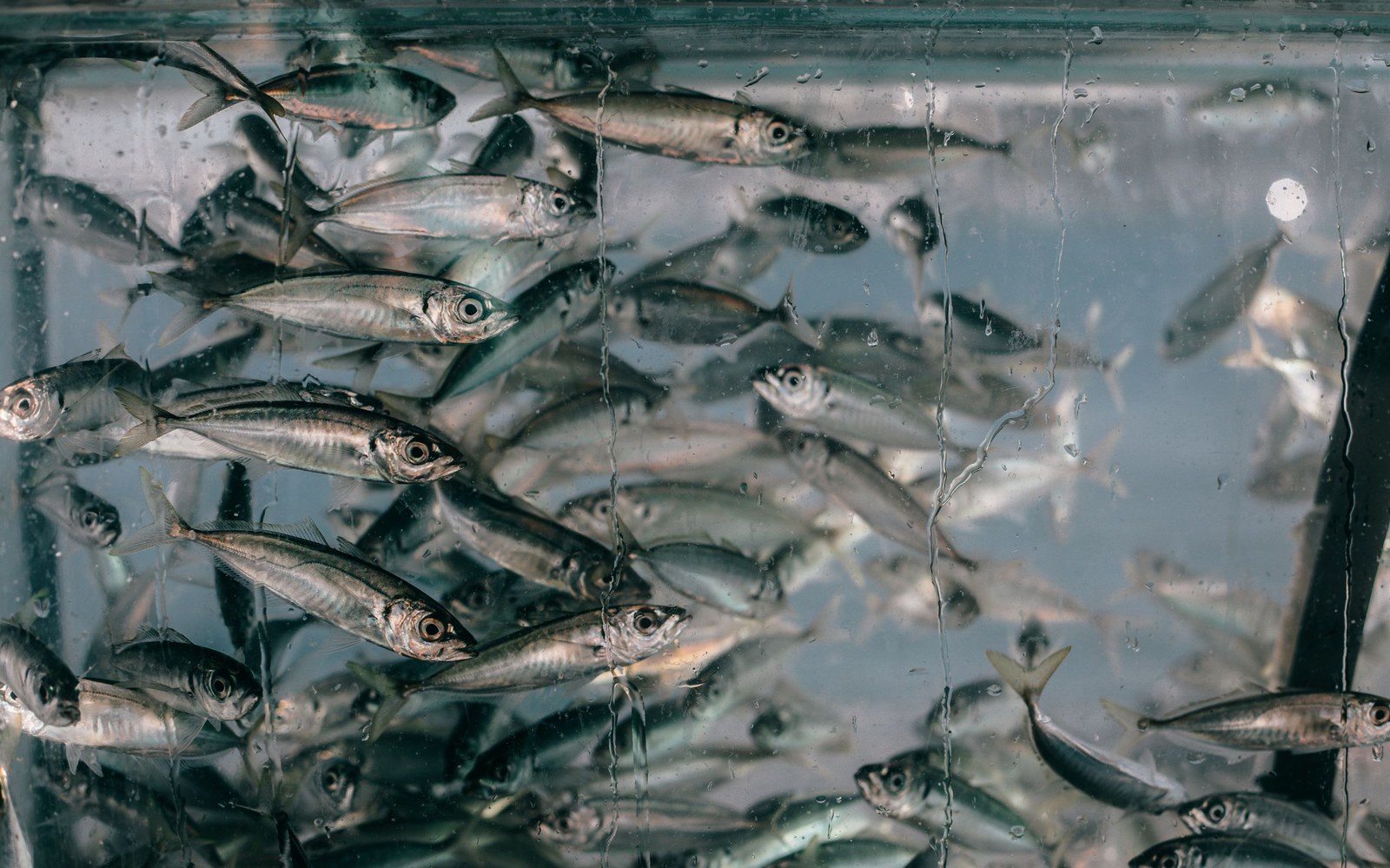
Healthy adult community fish, as a group, can skip one day of feeding each week without harm — and it can actually help prevent overfeeding, bloating, and water-quality problems. The exceptions are fry and very young fish, which need small, frequent meals to keep growing. A planned fast day is a routine, not neglect.
Why a weekly fast works
Fish digestive systems benefit from periodic rest just as their water benefits from periodic relief. A 24-hour fast lets the gut fully clear, which reduces the constipation and bloating that plague greedy species like mollies, platies, and fancy goldfish. It also gives the biological filter a break: less food in means less waste out, and many keepers notice clearer water and slower algae growth once a fast day is established. In nature, fish do not eat on a schedule at all — a day without a meal is the most natural thing in the world for them.
The fry and juvenile exception
Young, actively growing fish are building tissue every day and cannot afford to miss meals. Fry under about eight weeks old typically need two to four tiny feedings daily, and juveniles do best on two to three small meals until they approach adult size. Pregnant livebearers and fish recovering from illness are also poor candidates for fasting — they need steady nutrition. The fast day is a tool for healthy adult fish, not a blanket rule for every life stage in the tank.
Pick your day and make it visible
Sunday is a natural choice — it is easy to remember, and it often follows the heavier weekend feeding that happens when everyone is home watching the tank. The bigger challenge is communication: in a multi-person household, an unannounced fast day reads as forgotten fish, and someone "helpfully" feeds them. Write the fast day into the feeding routine itself, somewhere the whole household sees it: feed Monday through Saturday, tank rests Sunday. Treat it as part of the schedule rather than an exception to it.
What to watch during the transition
The first fast day or two, your fish will beg. This is normal — they beg on feeding days too. What you should not see is frantic glass-surfing, aggression over nothing, or fish picking at tank mates. Those behaviors on fast day suggest the regular portions are too small, not that the fast itself is wrong. Adjust the six feeding days rather than abandoning the seventh rest day. Over two or three weeks, watch belly shape and waste: fish on a good routine have gently rounded (not distended) bellies and normal waste, and the tank stays clearer between water changes.
Keep everyone to the fast-day plan
A fast day only works if everyone honors it. Mark the skip day plainly in the feeding routine itself, so nobody sneaks in an extra feed out of guilt. The tank rests, the water stays cleaner, and nobody has to play feeding police.
One day of rest a week is one of the simplest upgrades a fish keeper can make. Relatives given access through Family Sharing in KinsLe can open the profile kept for the fish in that tank before Sunday's rest day arrives.