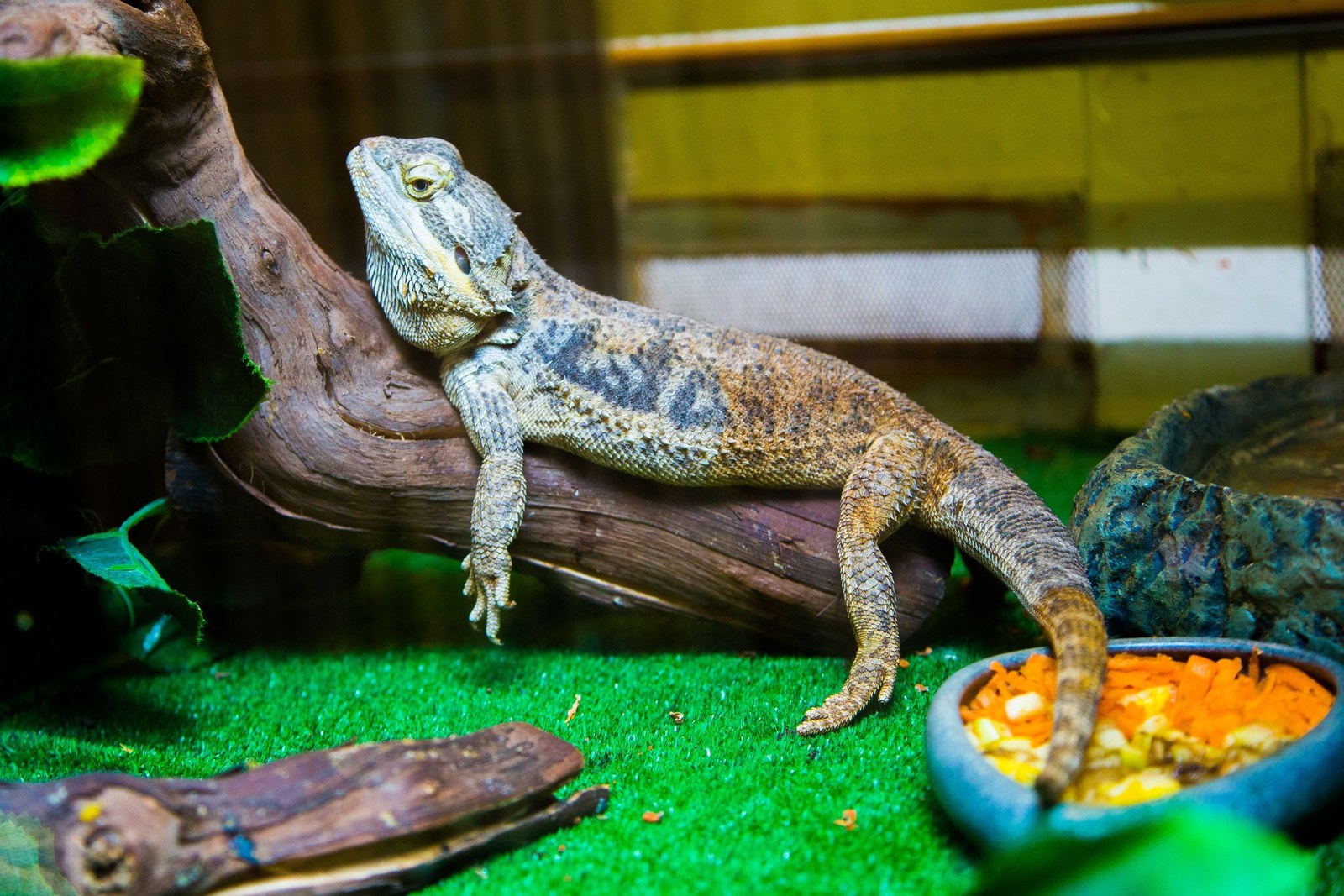
Brumation is the likely answer when a healthy adult bearded dragon sleeps for long stretches, hides in a cool spot, and eats very little for weeks during the cooler season — while still holding a healthy weight. Something is more likely wrong when that same sleepiness comes with visible weight loss, weakness, or other symptoms, because illness can wear a very convincing brumation disguise. Learning to separate the two is about pattern, timing, and condition, not a single sleepy afternoon.
What Normal Brumation Actually Looks Like
Brumation is a natural cool-season slowdown, most common in adults over a year old. A brumating dragon may retreat to a hide on the cool side, sleep most of the day, emerge occasionally for a drink or a few bites, and then go back under. It may last a few weeks or a couple of months. Crucially, a brumating dragon's body condition stays fairly stable — the fat pads on the head remain plump, the tail base stays thick, and when it does wake, it looks alert rather than frail.
Your lighting and household temperatures often cue it: shorter days and a cooler room can trigger the slowdown even in a well-kept indoor enclosure.
Red Flags That Point Away From Brumation
Treat these as reasons to book a reptile vet rather than wait out the season:
- Noticeable weight loss, a thinning tail base, or sunken fat pads
- Black bearding paired with lethargy, or gaping and labored breathing
- Runny, discolored, or unusually foul droppings, or no droppings with a swollen belly
- A dragon too weak to lift its head or grip when handled
- A juvenile slowing down like this — young dragons should be growing and eating, not brumating
Parasites are a classic hidden cause, quietly draining a dragon until "sleepy" becomes genuinely unwell, which is exactly why guessing is risky.
The Vet Check That Settles It
Because illness mimics brumation so well, a vet check — including a parasite screening from a droppings sample — before or during a first brumation is a wise step, especially for a dragon you have not owned through a winter before. A clean bill of health lets you let the season run its course with confidence; a finding gives you something treatable instead of months of hoping. Bring recent weights, your temperatures and light schedule, and notes on when the slowdown started. Only your veterinarian can assess your individual dragon — this article offers general guidance, not a diagnosis.
Caring for a Dragon Confirmed to Be Brumating
Keep fresh water available, offer food occasionally on waking days without forcing it, and weigh weekly to confirm condition is holding. Many keepers keep lights on a shorter winter cycle; ask your vet what they recommend for your dragon. Resist waking a brumating dragon daily for cuddles — brief weight checks are enough.
Keeping the Record Straight in a KinsLe Pet Passport
Brumation questions are answered with history: last year's dates, weights through the season, the parasite screen result, and what the vet advised. KinsLe's Pet Passport is your dragon's records packet — vaccines are not part of a dragon's life, but vet visits, weight notes, medications, and documents are — kept together and shareable with vets and sitters. Handing that packet over at a checkup means the vet judges brumation versus illness with your dragon's real timeline in front of them. Keep a dated log of appetite, activity, and weekly weights in the Pet Passport packet on KinsLe, because that written record is what helps separate a steady brumation pattern from decline — and any red-flag change in it still goes straight to your reptile vet.