
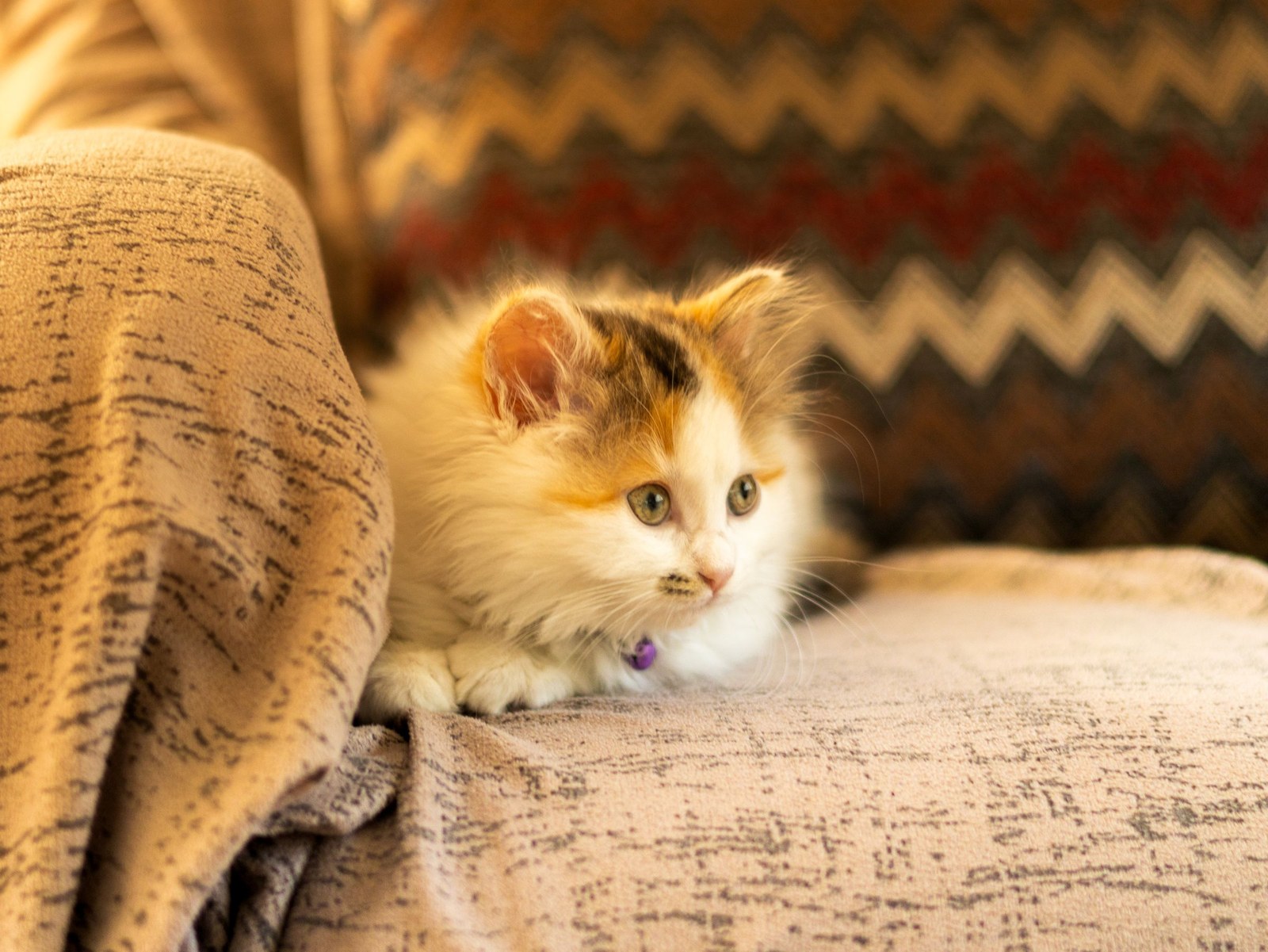
If your schedule is busy or you want a predictable companion, an adult cat is usually the easier fit; if you have time for frequent feeding, training, and supervision — and you want to shape a cat from the very beginning — a kitten may be right for you. Neither choice is better in the abstract; the right answer is the one that matches the hours and patience you actually have.
What a Kitten Really Demands
Kittens are delightful and genuinely labor-intensive. In the early months they eat several small meals a day, need litter habits reinforced, and go through a socialization window where gentle handling and exposure to household sights and sounds shape their adult confidence. They explore with their mouths, climb curtains, attack feet at 4 a.m., and must be taught — kindly and repeatedly — that hands are not toys and cables are not snacks.
None of this is hard, exactly, but it is frequent, and it does not pause for your busy season at work. A kitten fits best when someone is home a good part of the day, or the household can share the load.
What an Adult Cat Offers
With an adult, what you see is largely what you get: size, coat, energy, and temperament are already formed, and shelter staff can often tell you whether this cat is a lap-sitter, an independent soul, or a playful hunter. Most adults arrive litter trained, past the curtain-climbing stage, and content with two meals and a reasonable play session.
Senior cats deserve a special mention: they are often the calmest, most affectionate, and most overlooked cats in the shelter, and while older cats can develop health needs, many ask for little beyond a warm spot, steady routine, and company.
Questions That Settle the Decision
- How many hours is the home empty on a typical weekday?
- Do you want to train and socialize from scratch, or adopt a ready-made personality?
- Are there small children, for whom a fragile kitten plus rough handling is a two-way risk?
- Do you already have a pet whose tolerance for a chaotic kitten versus a calm adult matters?
- Is a shorter or longer shared lifespan part of your thinking? A kitten may be with you fifteen to twenty years — a commitment worth naming out loud.
Be wary of choosing a kitten purely for smallness. The kitten stage lasts months; the adult cat is who you will live with for the vast majority of your years together.
The Two-Kitten Option
If your heart is set on a kitten but your days are long, consider adopting two together. Littermates or bonded pairs entertain each other, teach bite inhibition through play, and are generally less lonely and less destructive than a single kitten left to invent her own fun.
Setting Up Your New Companion, Kitten or Adult
Whichever you choose, start their identity properly. Every pet profile on KinsLe carries a unique QR ID, printable for a collar, so your new companion — kitten or adult — has a scannable link back to you from day one, and the first pet profile is free. That QR ID sits on top of their profile and records, giving anyone who finds them a direct route home. Whichever age you choose, a finder who scans the collar code lands on the Verified QR ID Pet Profiles record on KinsLe, where your cat's identity and your contact route confirm exactly whom to reach.