
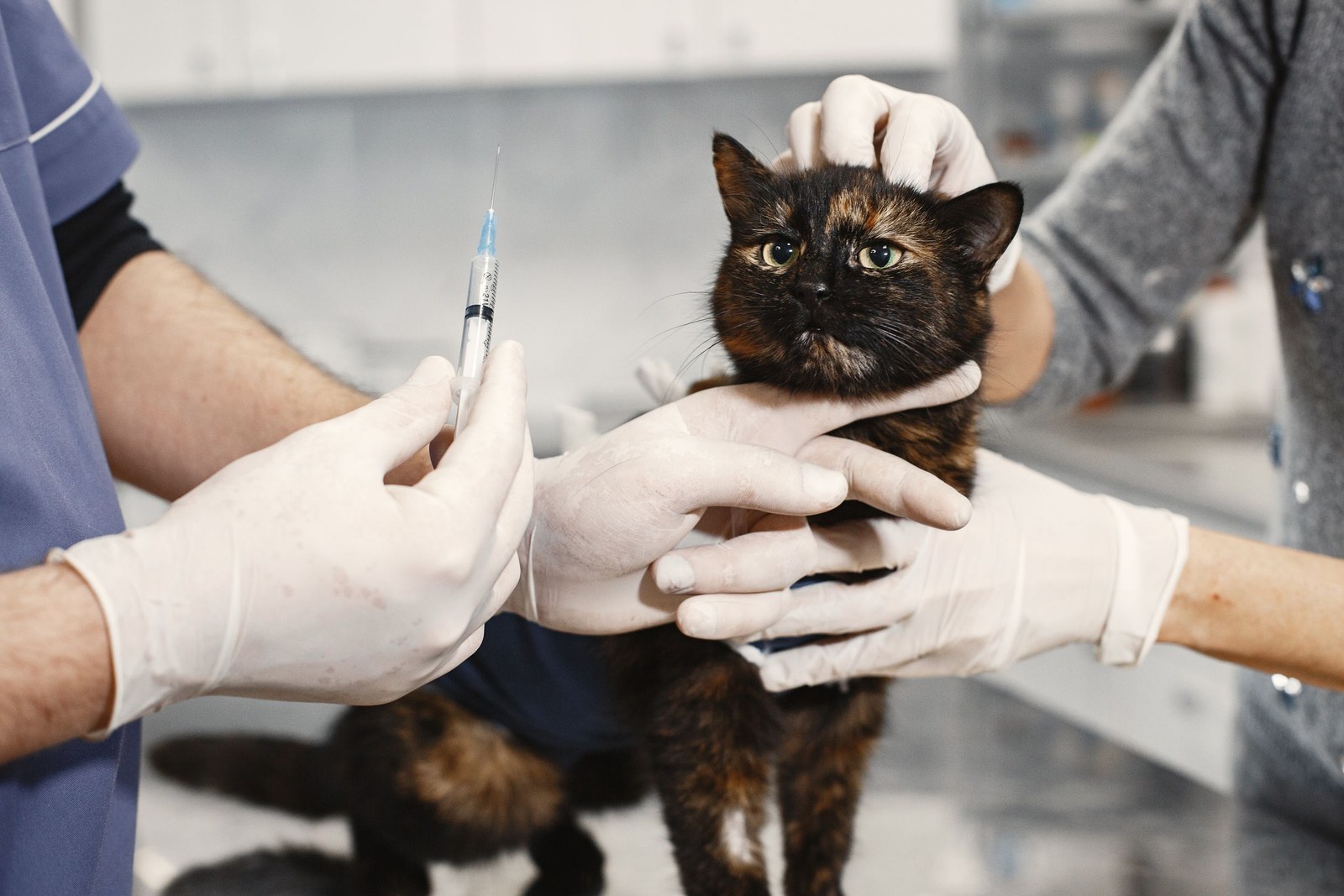
A single soft stool after a food change can pass on its own, but diarrhoea that lasts beyond a day or two, contains blood or mucus, or arrives with vomiting, thirst changes, weakness, or low energy is more than an upset stomach and needs veterinary care. When in doubt, call your clinic, describe what you are seeing, and let them judge the urgency with you.
Why Diarrhoea Happens
The gut speeds up or fails to absorb water for many reasons: a sudden diet change, a new treat, scavenged food, spoiled wet food left down too long, stress, parasites, infections, food sensitivities, swallowed foreign material, or an underlying illness elsewhere in the body. Kittens, seniors, and cats with other health conditions have less reserve and can dehydrate faster, so the same symptom deserves a lower threshold for calling.
Recent history is genuinely useful detective work. In the day or two before it started, did your cat get a new food or flavour, visit a cattery, catch a mouse, chew a houseplant, lap milk (many adult cats tolerate lactose poorly), or start any medication or supplement? Vets ask these questions because the answers narrow the search quickly.
Signs It Needs a Vet, Not Just Watching
Seek veterinary care promptly if you notice any of the following:
- Diarrhoea continuing beyond 24–48 hours, or worsening instead of improving.
- Blood — bright red streaks or dark, tarry-looking stool.
- Vomiting alongside it, repeated straining, or crying in the box.
- Refusing food, marked lethargy, hiding, or a dry, tacky mouth suggesting dehydration.
- A kitten, senior, pregnant cat, or a cat with known kidney, liver, or immune problems.
- Suspected poisoning or a swallowed object such as string or a hair tie.
Take a fresh stool sample if the clinic asks for one — a small amount in a clean sealed container — and note frequency: three puddles overnight tells a different story from one soft stool.
What to Do at Home Meanwhile
Keep fresh water available in several spots and monitor drinking. Feed light, familiar food in small amounts if your vet advises it, and avoid introducing new treats, rich scraps, or milk while the gut settles. Do not give human anti-diarrhoea medication or painkillers — products safe for people can be dangerous for cats.
Keep the litter box scrupulously clean, because a cat with an urgent gut may avoid a dirty box and have accidents she would rather not have. Wash your hands after handling stool, and keep other pets from the box if parasites or infection are possibilities your vet wants to check. Note every episode on paper: time, consistency, blood or not, appetite and energy alongside. That log often shortens the diagnostic path.
What Not to Overlook
Repeated bouts that come and go over weeks are also worth a visit, even if each one seems mild. Recurring diarrhoea can point to diet sensitivity, parasites a single test missed, or chronic gut or organ issues — patterns only emerge when someone writes the episodes down instead of treating each as a one-off.
How a KinsLe Pet Passport Helps at the Visit
The Pet Passport is your cat's records packet — vaccines, medications, allergies, and documents in one shareable place. Handing your vet a tidy packet of diet, vaccine, and medication records at the visit means less time spent reconstructing brands, dates, and doses from memory while your cat waits in her carrier. If you saw an emergency clinic instead of your usual vet, the same packet keeps the second team fully informed.
Good records turn a stressful visit into an efficient one. If your cat eats nothing for a full day alongside the diarrhea, call your vet promptly, and file the dated episode notes in the Pet Passport record on KinsLe before the visit so the pattern is visible at a glance.