
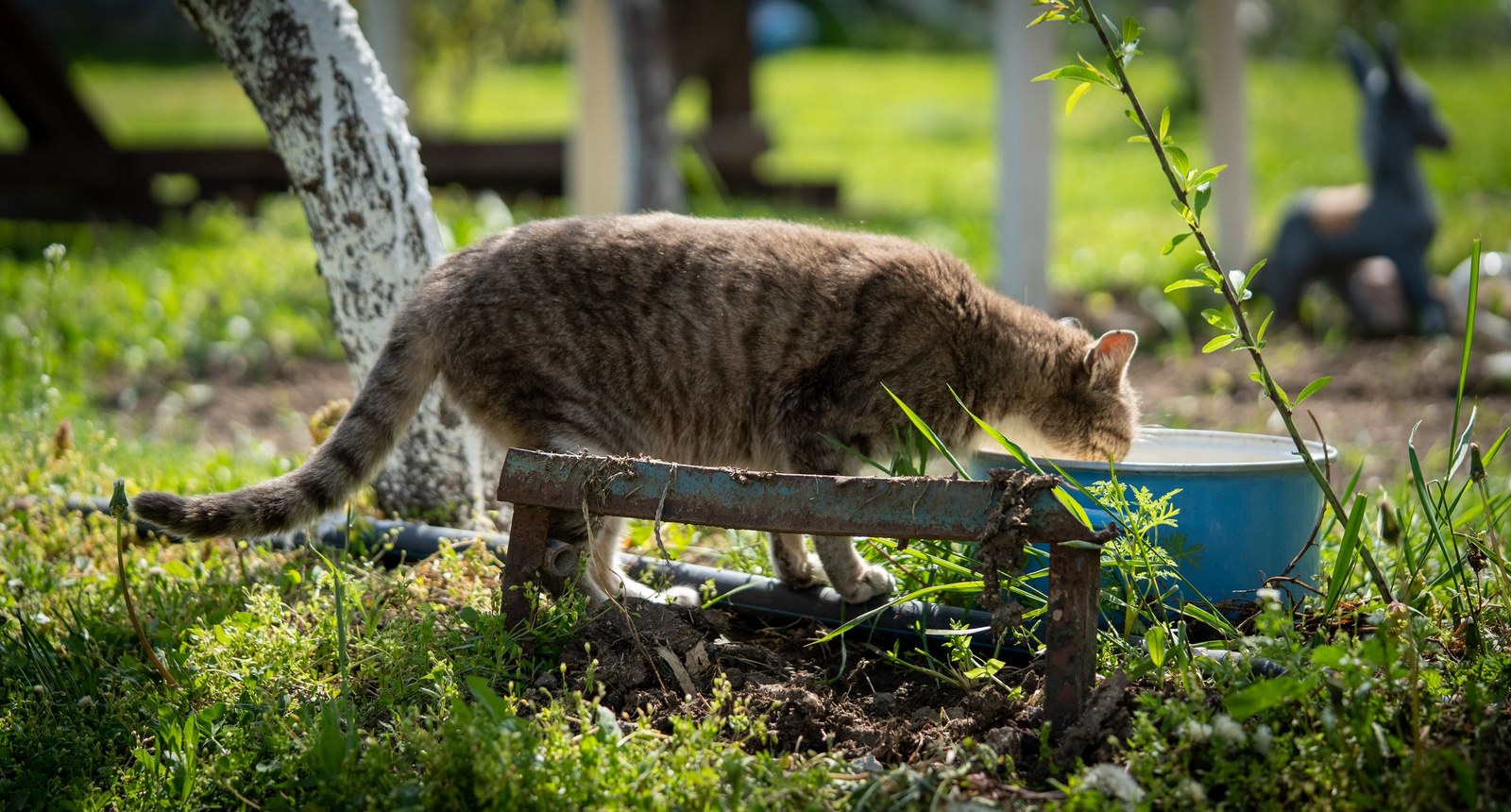
A noticeable, lasting increase in how much your cat drinks is a health signal worth a veterinary visit — especially if you are also refilling the water bowl more often and scooping bigger or more frequent urine clumps. One warm day or a salty treat can explain a single thirsty evening, but a change that persists over several days, or keeps growing, should not be brushed off. Book the appointment and, in the meantime, gather the details that will make it productive.
How to tell real change from impression
Bowls can mislead: a wider bowl evaporates more, a new fountain encourages drinking, and in multi-cat homes you may not know who is drinking what. For a few days, measure what you put in — for example, fill with a known amount each morning and note what remains 24 hours later. Watch the litter box too: more trips, larger clumps, or accidents are useful observations. If you can, set up a separate water station or monitor which cat is at the bowl unusually often. Note when the change started as precisely as you can; "since about the 10th" beats "recently."
Also record appetite, energy, and weight if you can weigh her — drinking more while eating less and losing weight is a different picture from drinking more during a hot spell while everything else stays normal. Mention vomiting, diarrhea, or behavior changes as well.
What your vet will want to know
Expect questions about diet — wet food versus dry makes a real difference to water intake — treats, medications and supplements, and any recent changes at home. Your veterinarian may examine her, weigh her, and discuss checking samples; those steps are how causes get narrowed down, and they cannot be replaced by comparing symptoms online. Do not restrict her water while you wait to be seen, and do not change her diet dramatically or start any remedy in the hope of avoiding the visit. Increased thirst is a sign, not a diagnosis, and it deserves a proper workup rather than home experiments.
Seek care sooner if the thirst surge comes with not eating, vomiting, lethargy, hiding, rapid weight loss, or straining in the litter box — and treat inability to urinate as an emergency, as always.
Arriving with records already organized
Appointments go better when the paperwork is not a scramble. KinsLe's Pet Passport stores your cat's vaccines, medications, and allergies together in one records packet, ready to share with your veterinarian at that appointment — add current foods and supplements to your notes and you can answer the diet and medication questions in seconds. Update it after the visit with whatever was found and advised, so the next visit starts from facts. Pet Passport holds the dated log of measured water intake, weight, and litter changes on KinsLe, giving the veterinarian a clear timeline to work from.