
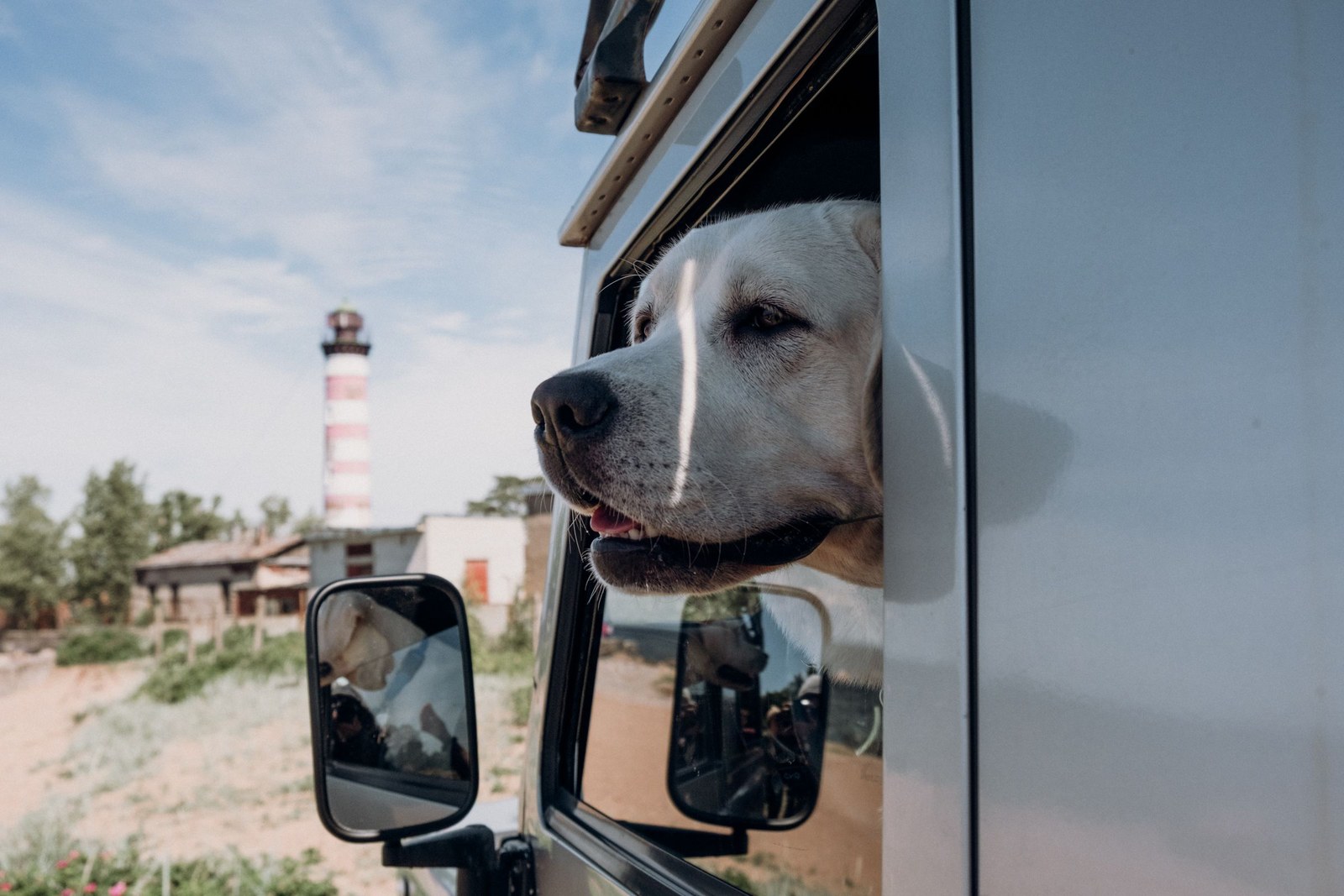
Yes, for most dogs it does get better — especially puppies. Carsickness in young dogs is often linked to the inner ear structures that control balance still maturing, so the motion of the car and what the eyes see don't quite match up yet. As that system develops over the first year or so, many puppies who once drooled through every five-minute trip grow into calm adult passengers. Adult dogs who are still sick are more likely to be dealing with anxiety than pure motion sickness, and that needs a slightly different approach.
Why puppies and nervous dogs feel it worst
A puppy's first car rides are often to the vet, so the car itself can become a warning sign for something unpleasant. Combine that association with an immature balance system and you get the classic signs: restlessness first, then drooling, lip-licking, yawning, whining, and finally vomiting. Breeds don't cause carsickness on their own, but flat-faced dogs who struggle in heat may feel worse in a stuffy car, and highly sensitive herding or toy breeds can tip into travel anxiety more quickly.
Watch for the early signals rather than waiting for vomiting. If your dog goes quiet, pants, or drools within minutes, that's your cue that the trip was too long or too fast for where they are right now.
Building up to easier rides
Desensitization works better than hoping for the best on a long drive. Try this progression:
- Start with the parked car: sit inside with treats and a favorite toy, engine off, then engine on, without going anywhere.
- Add very short drives — around the block — ending somewhere pleasant like a park or a friend's yard.
- Gradually lengthen trips, always finishing on a good note, and keep sessions frequent rather than rare and long.
- Travel on an empty-ish stomach: withhold food for a few hours before a ride, but always offer water.
- Keep the car cool, crack a window for fresh air and equalized pressure, and let your dog face forward where possible.
- Take breaks on longer journeys so your dog can walk, sniff, and reset.
A secured crate or crash-tested harness in the back seat also helps. Dogs who can slide around feel the motion more, and an unrestrained dog is a safety risk to everyone in the car.
When to talk to your veterinarian
If vomiting or heavy drooling persists past puppyhood, if your dog refuses to get in the car at all, or if sickness happens even on short, gentle rides, book a vet visit. Your veterinarian can rule out ear problems or other health issues, talk through anxiety support, and advise on whether any travel aid is appropriate for your individual dog. Don't give human travel-sickness products or any medication without that guidance — what's safe for people is not automatically safe for dogs.
Never leave a carsick dog alone in a parked car to 'recover,' and clean up promptly without scolding. Punishing vomiting only adds stress to the next trip.
Keeping travel notes where drivers can find them
If someone else will drive your dog — a partner, a sitter, a family member taking them to the groomer — they need to know about the carsickness before they load up. KinsLe's Pet Passport is the records packet for your dog, holding vaccines, medications, allergies, and documents in one shareable place, and it's a practical spot to note travel sensitivities alongside that health information. Share it with vets and sitters so anyone transporting your dog knows to plan short, cool, gentle trips with windows cracked and no big meal beforehand.
That small heads-up can be the difference between a setback and another confidence-building ride. Keep a dated log of each ride — length, drooling or vomiting, and what eased it — in the Pet Passport record on KinsLe, so patterns show up before the next outing.