
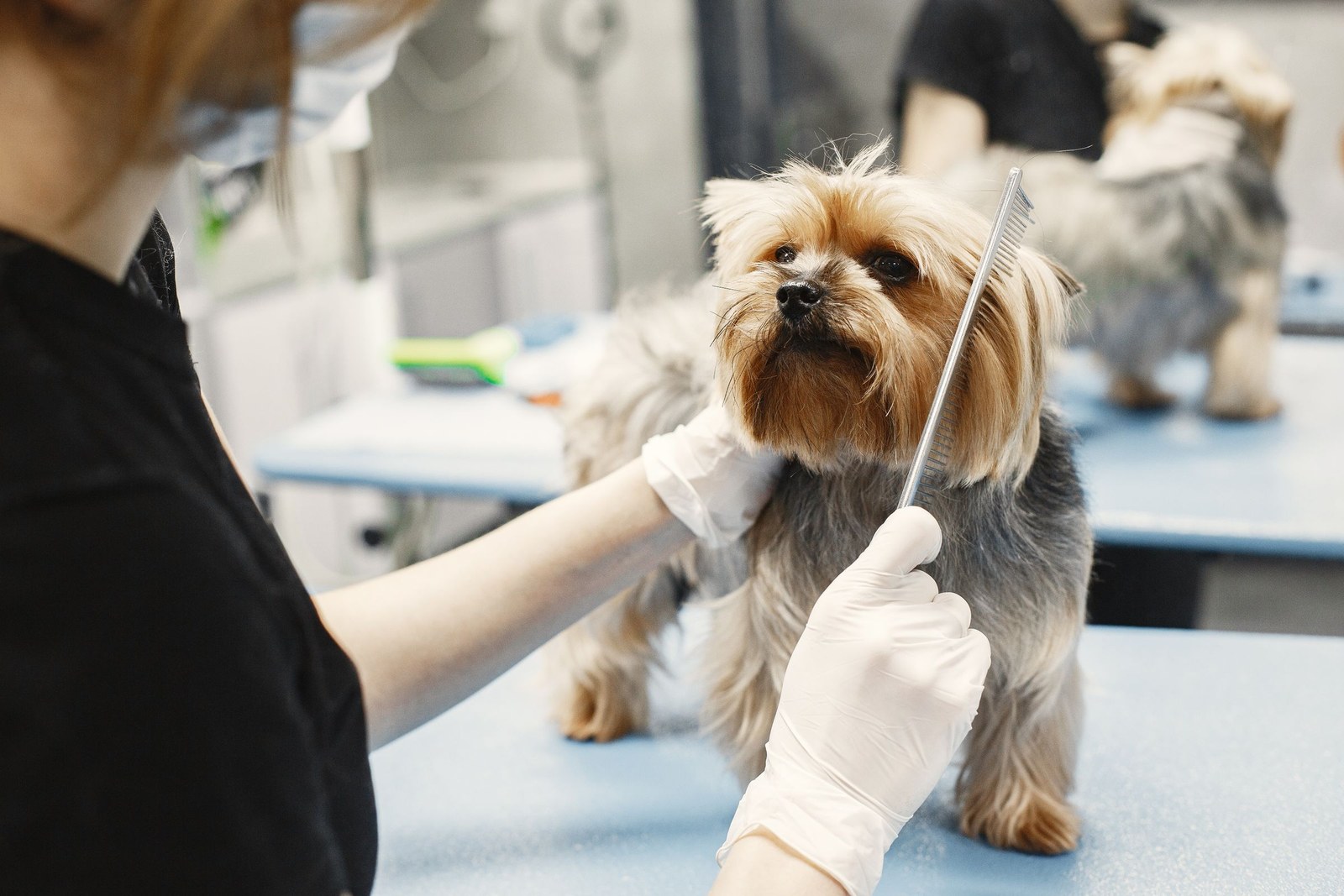
The fastest way to prevent mats behind your double-coated dog's ears is a quick comb-through of that soft fur every few days — it takes under a minute. The hair behind the ears is fine and silky, rubs against the collar and the dog's own movements all day, and tangles almost invisibly until it has felted into a solid mat. Catch it at the tangle stage and it teases out in seconds; miss it for two weeks and it is a groomer job.
Why Behind the Ears Mats First
Not all fur tangles equally. The coat behind the ears, in the armpits, around the collar line, and where the harness sits is finer, softer, and subject to constant friction. Ears flap, collars rub, and a dog scratching an itchy ear churns that fine hair into knots. Add moisture — rain, a bath, drool from a good chew — and the tangles tighten as they dry. Loose undercoat shedding into that fine hair acts like felt waiting to happen, which is why matting often explodes during shedding season even in owners who brush the body faithfully. The body looks great; the hidden friction zones are quietly felting.
The Few-Days Habit That Prevents Them
Make the comb check part of something you already do. While your dog settles beside you in the evening, run a steel comb gently behind each ear, through the armpits, and around the collar area. You are not doing a full groom — you are checking that the comb passes to the skin. If it glides, you are done in a minute. If it snags, work that spot now with your fingers, teasing the tangle apart from the outside edges inward, then comb again. Small tangles handled at this stage never become mats.
Keep the collar zone dry, too. After rainy walks or baths, dry behind the ears and under the collar thoroughly rather than letting a damp collar rub on damp fur for hours. If your dog wears a collar all day, a rolled leather style tangles less than a wide flat one for some coats — worth trying if matting is relentless.
Dealing With Mats That Are Already There
A small, loose mat can sometimes be worked out: hold the base of it firmly against the skin so you are not pulling on the dog, split it gently with your fingers, and comb from the ends toward the skin in tiny sections. The moment a mat is tight, large, or plastered flat against the skin, stop. Never slide scissors under it — skin tents up into mats and cuts are common and nasty. Tight mats are a groomer's job, removed safely with clippers, and having one shaved patch for a few weeks is far kinder than a skin wound.
Mats are not just cosmetic, either. A solid mat pulls constantly, bruises skin, traps moisture, and hides irritation or parasites underneath. Preventing them is genuine comfort care, not vanity grooming.
Questions That Keep the Quick Checks Working
Plenty of small judgment calls hide inside a one-minute check, and they are worth asking about while the fur still combs through. Ask Kimmy in KinsLe how to tell a loose tangle from the start of a felted mat, whether a damp collar zone needs drying first, or when a tight patch should wait for a groomer instead. Bring the next question as shedding season changes the undercoat, and those friction zones stop surprising you. Kimmy can field leftover questions about freeing small tangles or timing comb-throughs in KinsLe, with replies taken from KinsLe Answers entries.