
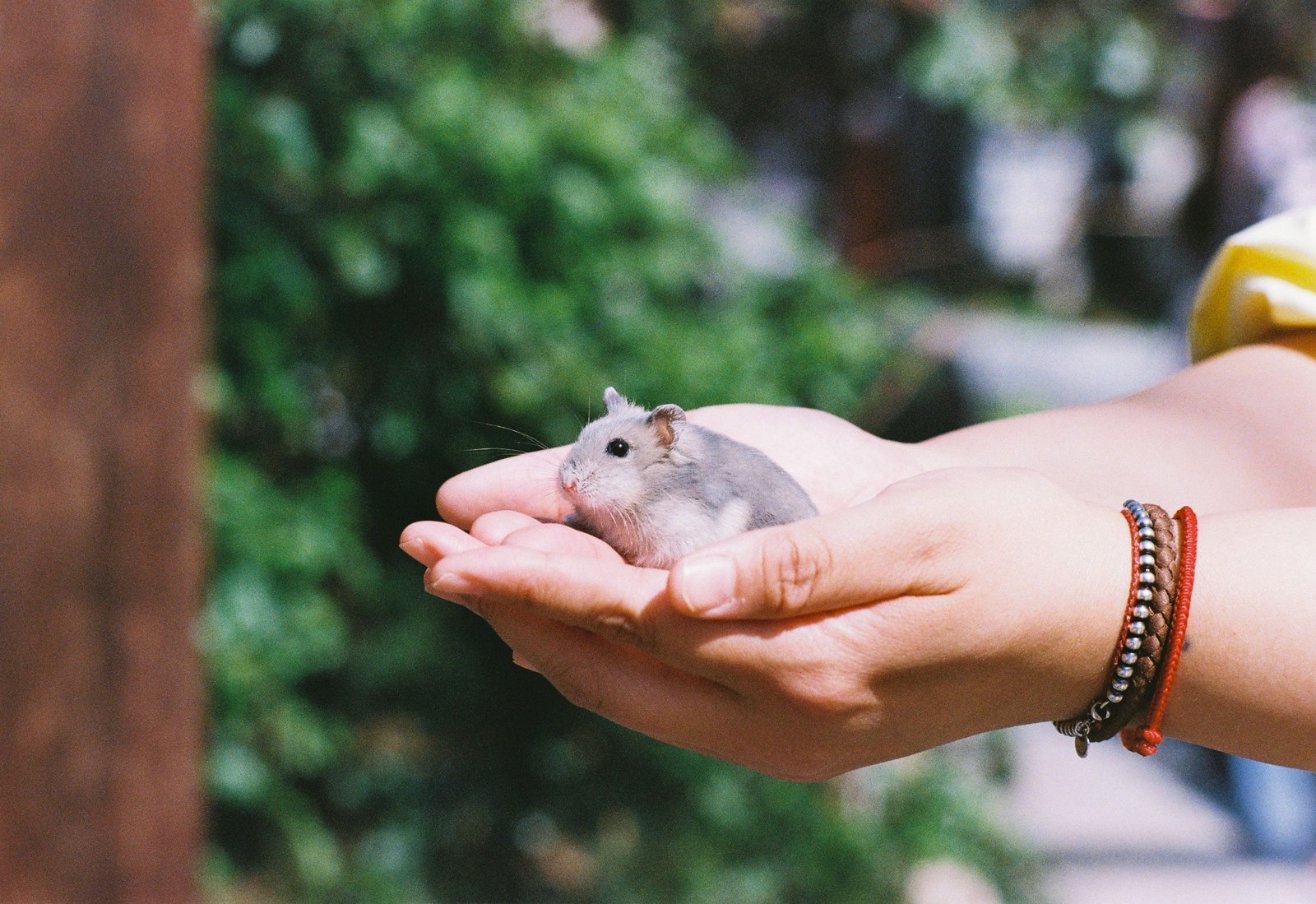
Your hamster is almost certainly still inside the house, hiding somewhere warm, dark, and quiet — and the way to find them is a calm, methodical room-by-room search paired with food-based detective work overnight. Hamsters are nocturnal escape artists who can squeeze through gaps barely wider than their heads, so assume every small space is possible. Most escaped hamsters are recovered within a day or two by owners who search smart instead of frantically.
Step one: contain, then search quietly
Close doors to separate rooms and block under-door gaps with towels, so your search area stays fixed. Then search one room at a time, quietly — a frightened hamster freezes at noise and vibration. Check behind and underneath appliances (the warm motor area behind a fridge is a classic), inside sofa cushions and recliner mechanisms, under furniture, inside boots and storage boxes, behind books, inside any pipe or vent opening, and along walls, since hamsters travel edges rather than crossing open floor. Work in the evening with lights low and a flashlight, and listen: faint rustling or gnawing after dark often gives the location away before your eyes do.
Step two: let food do the detective work
Set up "hamster stations" in likely rooms: a favorite hide or the familiar carrier with bedding that smells like home, plus a treat you can count precisely — say, ten sunflower seeds. Sprinkle a light dusting of flour across doorways or around the station; tiny footprints in the morning reveal both that your hamster visited and which direction they came from. Crinkly paper or foil near a station can produce an audible rustle at 2 a.m. Once you know the room, narrow further each night rather than ransacking — patience and flour beat tearing the house apart.
Step three: catching without chasing
Never grab at a spotted hamster — a lunge teaches them to run, and a fall from furniture height can injure them. Instead, let them walk into their hide or carrier for the food, then close it calmly. A classic humane option is the "bucket trap": a deep bucket with bedding at the bottom, a ramp of books leading up, and a treat trail — the hamster climbs in for food and cannot climb the smooth sides out, then waits safely in bedding until morning. Check every trap first thing, and keep other pets shut out of the search rooms throughout.
If the search goes wider than your walls
Should your hamster have slipped outside, or a neighbor have come across them, that neighbor needs a way to reach you: KinsLe's Lost Pet Alert System costs nothing in any profile, the alert shows on the map, and a finder can message you directly. A hamster hiding in a neighbor's garage is far more findable when the neighborhood knows to look and has a direct line to you. When your hamster is safely home, do an escape-route audit — lid clips, bar spacing, chew damage — before the next overnight adventure. As an outdoor fallback, your hamster's profile on KinsLe carries the Lost Pet Alert System at no cost, with the alert visible on KinsLe's map, and a finder can reach you directly through it.