
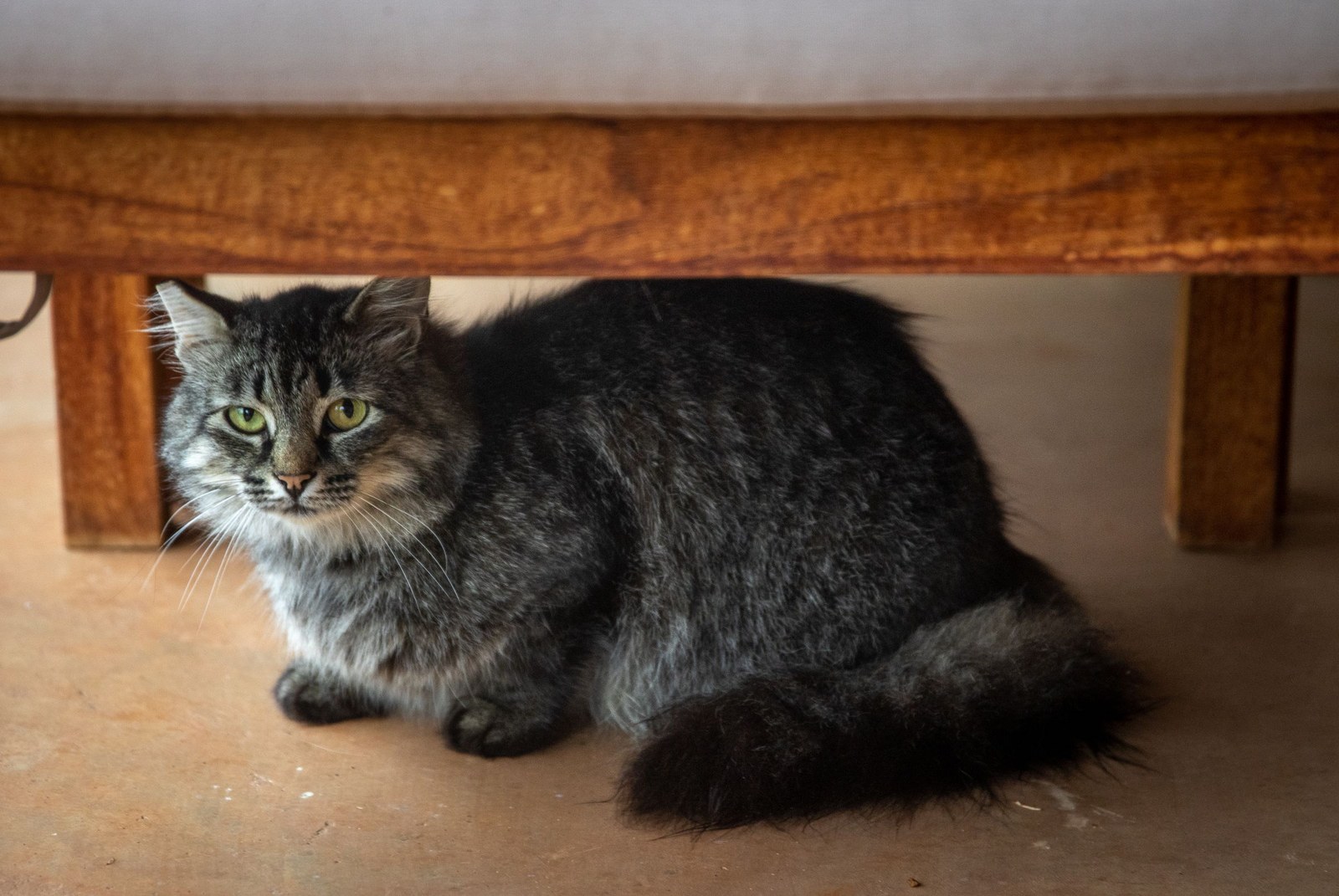
Stay calm, move fast, and search close to home first: an indoor cat who slips out is almost always hiding silently within a few houses of your door, too frightened to answer your calls. Your first job is a slow, thorough search of your home and immediate surroundings — under porches, in bushes, garages, and sheds — plus alerting nearby people right away while she is still near.
First, confirm she is really out
Indoor cats are champion hiders, and many 'escapes' end inside a closet. Before panic sets in, check the classic spots: inside recliners and sofa beds, behind the washer, inside box springs, up in closets, and in any box with a lid. Open a can of food or shake her treat bag and listen. If she truly is out, note the time and which door or window she used — the escape point is where your search radiates from, and often where she will try to return.
Search like a scared cat thinks
A frightened indoor cat flattens into the first good hiding spot and freezes, sometimes for many hours, ignoring familiar voices. Search on foot, slowly, at cat height:
- Get low with a flashlight — even in daylight — and shine it into dark corners; her eyes will reflect the beam.
- Check under porches, decks, cars, and dense shrubs within about a five-house radius first.
- Look up too: trees, fences, and rooftops near the escape point.
- Call softly and then stop and listen. Loud, frantic calling can push a scared cat deeper into hiding.
- Ask neighbors to check their garages and sheds, or for permission to look yourself — cats slip in and get shut inside.
Dusk and dawn are prime searching times, when it is quieter and she is more likely to move. Leave the door or window she exited from ajar if you safely can, with familiar-smelling bedding and water just inside — many cats walk back in on their own after dark. Avoid leaving food that draws other animals to compete with her, and skip the litter box myth debates; bedding with her scent and yours is the safer beacon.
Get the word out immediately
Do not wait until after the search to tell people — run both at once. Knock on doors on your street, post in local groups, and call nearby shelters and vet clinics with her description. Speed matters because the first hours are when she is closest and most findable.
This is exactly what KinsLe's Lost Pet Alert System is built for. Lost Pet Alerts are free in every profile, and the alert shows on the map, so the people most able to spot her — other pet lovers in your neighborhood — can see that your cat is missing within minutes, not days. Because each KinsLe pet profile carries a unique QR ID, a finder who gets close to her collar tag can also reach you through her profile.
If she is not back by nightfall
Keep searching after dark with a flashlight, set out water and scent items, and refresh your alerts and neighbor asks daily. Escaped indoor cats are routinely found days later within a block or two — persistence, close to home, is what brings most of them back. Send word out while you search: her Lost Pet Alert System record on KinsLe puts her alert where finders can see it, and a finder who spots her can reach you through her profile.