
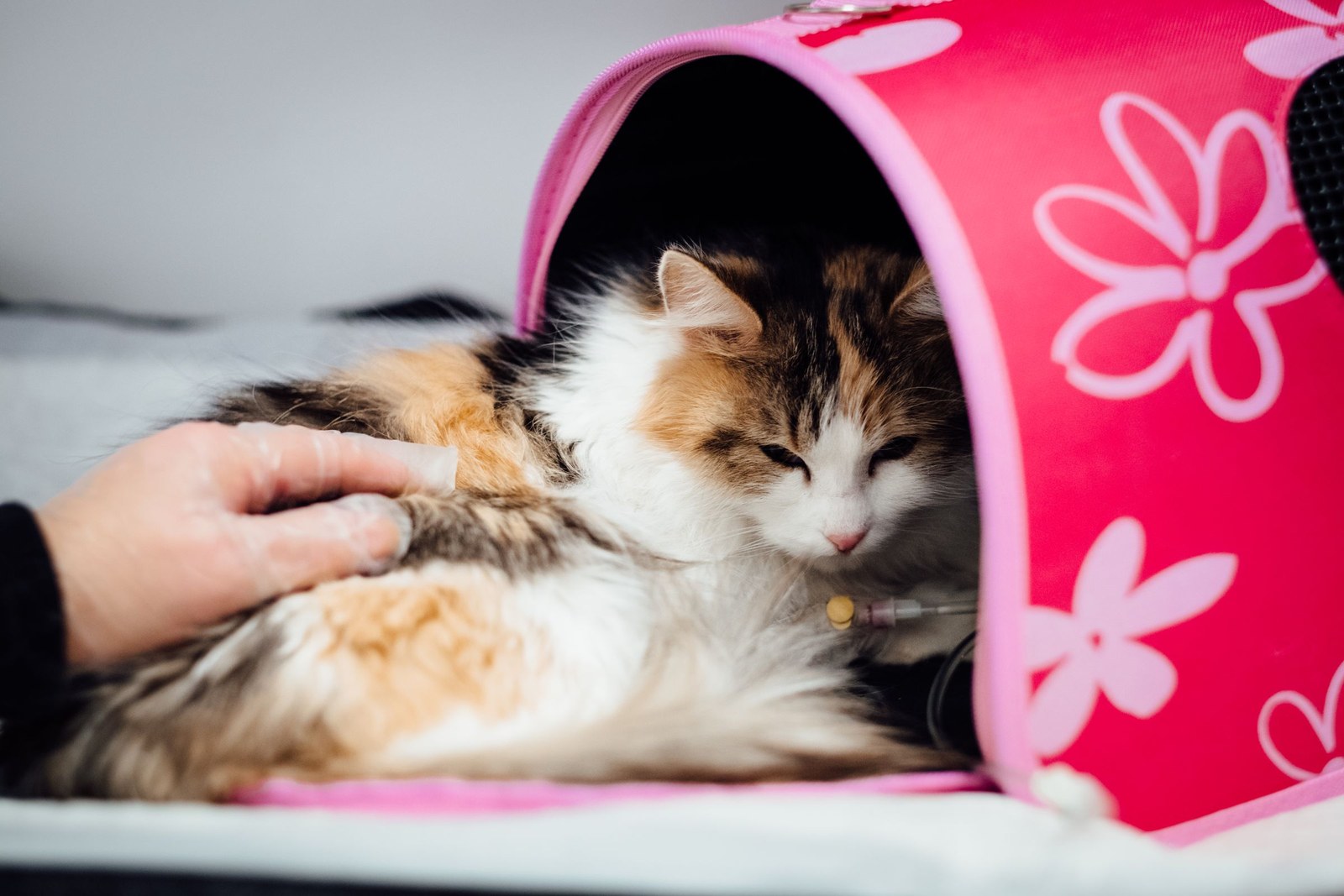
If your male cat has not urinated in about a day, treat it as an emergency and go to a veterinarian or emergency animal hospital now — especially if he is straining in the litter box, visiting it repeatedly, crying, licking himself, hiding, or becoming restless or unusually quiet. Do not wait until morning to see if it resolves. A cat who cannot pass urine can become seriously unwell very quickly, and only an in-person veterinary team can assess him safely.
Why males are at particular risk
Male cats have a narrower urinary passage than females, which means swelling, mucus, grit, or other material can more easily obstruct the flow of urine. When urine cannot leave the body, pressure builds and waste products that should be filtered out stay in circulation. That is why a blocked or partly blocked cat can deteriorate over hours rather than days. Your cat may first look merely uncomfortable — squatting for a long time, producing only drops, or leaving the box and returning minutes later — and then progress to vomiting, loss of appetite, and marked lethargy.
None of these signs lets you diagnose the cause at home, and several different urinary problems can look similar in the litter box. A cat straining to urinate can also be mistaken for a cat straining to pass stool, which is another reason a prompt hands-on examination matters more than guessing from behavior alone.
What to do in the next hour
Call ahead while you prepare to travel so the clinic knows a potentially obstructed male cat is coming. Note when you last saw normal urine, whether any drops have appeared since, how many trips to the box he has made, and whether he has eaten, drunk, or vomited. Scoop the box before you leave only if it will not delay you — fresh clumps from another cat in a multi-cat home can confuse the timeline, so mention housemates to the team.
Transport him in a secure carrier lined with a towel or absorbent pad. Keep handling gentle and minimal, keep other pets away, and do not offer extra water or food in the carrier unless the clinic advises it. If you cannot reach your usual veterinarian, go directly to the nearest emergency hospital rather than spending more time phoning around.
What not to do
Do not press, squeeze, or massage his belly in an attempt to empty the bladder — a full, obstructed bladder can be fragile, and pressure can cause serious harm. Do not give human pain relief or any leftover medication, and do not rely on home remedies, special foods, or supplements sold as urinary support in place of emergency care. Do not confine him in a room to "monitor" him without a clear, working plan to be seen — monitoring is not treatment when no urine is being produced.
Staying coordinated while he is being treated
Emergencies scatter information: one person drove, another spoke to the receptionist, someone at home is watching the other cats. KinsLe Messenger is the per-pet communications hub, so updates about your cat — arrival time, what the clinic said, who is collecting him — can stay in one thread tied to his profile instead of being split across separate chats and calls. That single thread also helps when you need to pass details to a family member who was not at the clinic.
Once he is home, follow the clinic's discharge instructions exactly and keep watching litter box output closely for the period they advise. If straining or tiny, frequent trips return, contact the veterinary team again promptly rather than assuming it is normal recovery. KinsLe Messenger on KinsLe keeps the household aligned during the drive and the wait: one person posts the clinic updates while another watches the cats at home, with no detail lost between separate chats.