
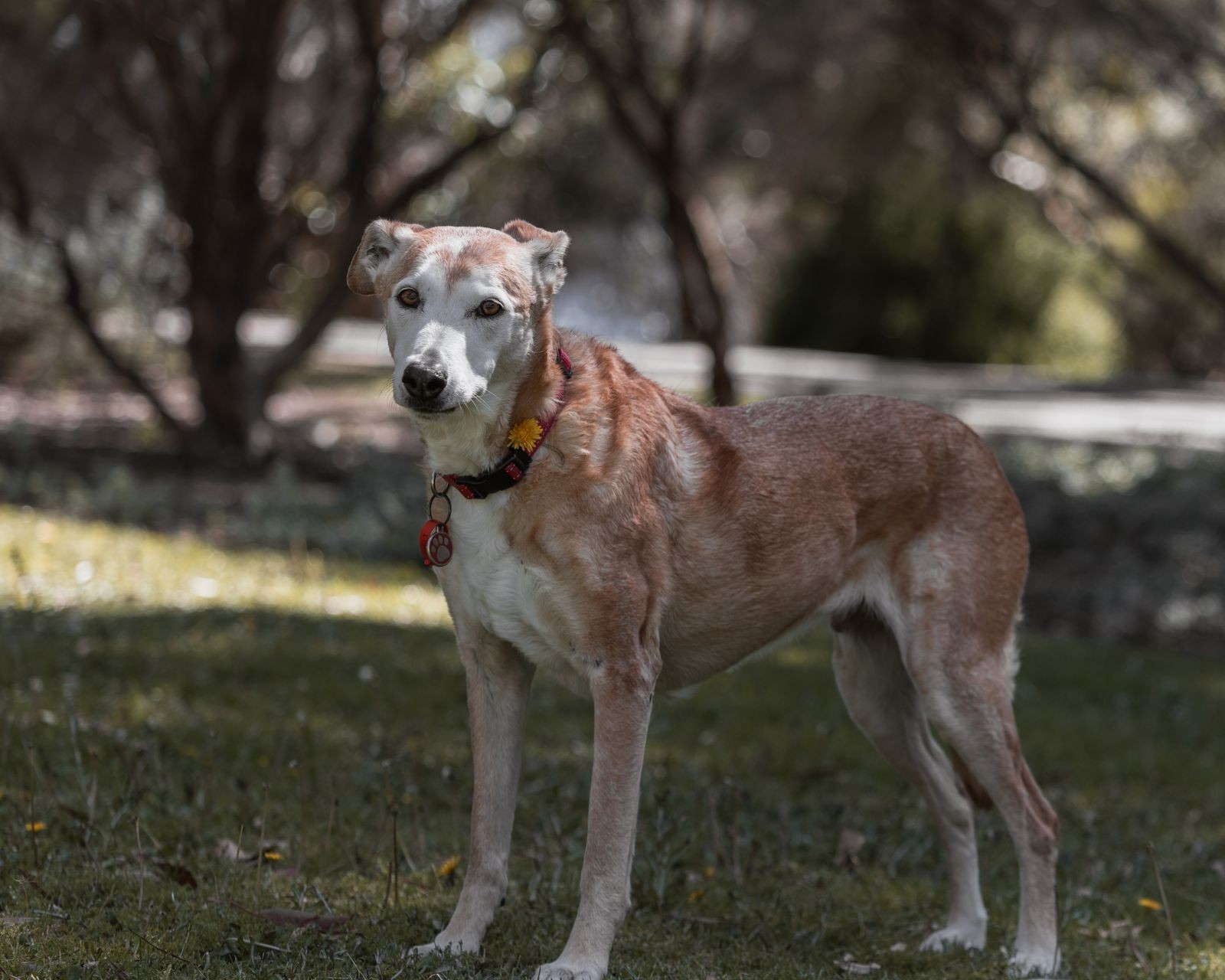
Start with a vet visit — new accidents in a senior dog who was previously clean in the house should always be checked medically first, because incontinence and increased urination in older dogs can have causes that are very manageable once identified. At home, meanwhile, more frequent toilet breaks, washable bedding, and a patient, never-punishing approach will keep everyone calmer while you work out what is going on.
Why It Happens in Older Dogs
There are two broad patterns, and noticing which one fits helps your vet enormously. Some dogs leak without knowing — you find damp patches where he was sleeping, or dribbles as he walks — which points toward weakened bladder control or a dog sleeping so deeply, or moving so stiffly, that he does not wake or rise in time. Other dogs know they need to go but cannot hold it as long as they used to, so they ask late, or have full accidents by the door if nobody hears them in time.
Increased urine production is another common thread: a dog drinking and urinating much more will simply need to go far more often, day and night. Mobility and thinking play a role, too — arthritic dogs may avoid a cold, dark garden or struggle with steps, and dogs with cognitive changes can genuinely forget the routine they knew for a decade.
Note the details for a few days: when accidents happen, how much urine, whether he is drinking more, whether he strains, and whether the urine looks or smells different. Never restrict his water to reduce accidents unless your vet specifically tells you to — that can be harmful. And if he cannot pass urine at all, strains repeatedly, or seems in pain, that is urgent, same-day care.
Practical Changes That Help Straight Away
Build more opportunities into the day so he rarely has to hold on: first thing in the morning, last thing at night, after meals, after naps, and mid-afternoon at minimum — many seniors do best going out every three to four hours during the day. Make the trip easy: a lit, step-free route if possible, a lead and patience rather than being sent out alone, and warm praise when he goes outside.
Protect the house without shame. Washable throws on his favourite sofa spot, a waterproof cover under his bed, washable pads in his usual accident area, and hard floors kept accessible all reduce stress for everyone. Belly bands or dog nappies suit some dogs well — introduce them kindly and change them frequently so skin stays clean and dry, washing his belly gently to prevent soreness.
Above all, never scold him. He is not being dirty, defiant, or spiteful; he is old, and very likely as distressed by it as you are. Clean accidents calmly with an enzymatic cleaner so the spot does not smell like a toilet to him, and keep greetings warm.
Keeping Let-Outs Consistent With Care Teams
The routine only works if it holds all day, including when you are at work or out. In KinsLe, Care Teams let family members schedule and log extra let-outs for your dog, alongside feeding, walks, and medications, with timestamped completions — so a partner, teenager, or neighbour with a role in his care can see that the 2 p.m. break was done, and your dog is not left crossing his legs because everyone assumed someone else had been. Consistency is what turns frequent accidents into rare ones. Care Teams on KinsLe hold that shared outing schedule in one written routine, so whoever is home can check the logged mid-afternoon break against the next one due and his day stays covered.