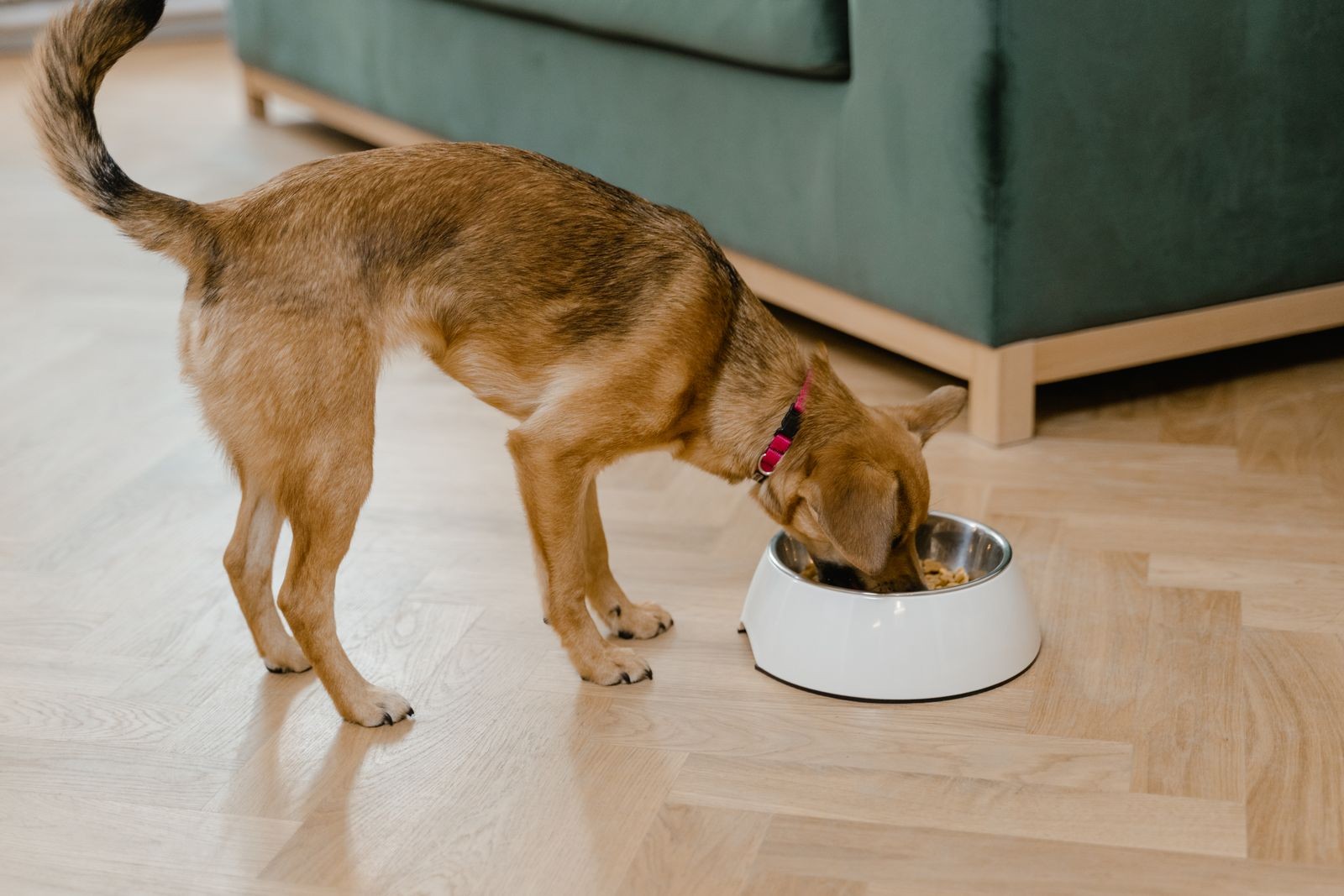
Yes — unexplained weight loss in a senior dog who is still eating is worth a prompt vet visit, even if he seems bright and his appetite looks normal. It does not automatically mean something serious, but in an older dog, losing weight while eating the same amount is a symptom, not a diagnosis, and it deserves a proper look rather than a wait-and-see approach at home.
Why Eating Well Does Not Rule Out a Problem
Owners often assume that a good appetite means everything is fine, and for a young dog that is often true. In seniors, though, a dog can eat eagerly and still lose condition because his body is not absorbing nutrients properly, because an organ is working harder than it should, or because muscle is wasting even while fat stays similar. You might notice it first in his face looking thinner, his ribs feeling more obvious, or his collar sitting looser.
Several very different conditions can sit behind the same sign, which is exactly why guessing at home is unhelpful. Only an exam and usually some basic tests can start to sort it out. The encouraging news is that many causes are far more manageable when they are found while your dog is still eating, active, and coping well — early is when you have the most choices.
What to Track Before Your Appointment
Your notes can genuinely speed things up. For a week or two, jot down exactly what he eats — brand, amount measured in grams or cups, treats, chews, and table scraps — and whether he finishes it. Note water intake if it seems higher, energy levels, sleep, and any change in stools, urination, vomiting, coughing, or bad breath.
Weigh him if you can, and bring any previous weights you have: from earlier vet visits, grooming appointments, or home records. A loss of even five to ten percent of body weight in a senior is significant, and showing the vet a timeline — 28 kilos in March, 26.5 in June — is far more useful than saying he looks thinner.
Also mention new medications, recent food changes, a new pet in the house who might be stealing food, and whether he has access to another dog's bowl. Sometimes the answer is wonderfully ordinary, like a bolder housemate quietly finishing two dinners.
What the Vet Will Likely Do
Expect a hands-on exam, a careful weight and muscle condition assessment, and questions about the details you tracked. Bloodwork and a urine test are common first steps for a senior losing weight, and your vet may suggest further checks depending on what they find. Do not be alarmed by tests being offered — they are how a vague symptom becomes a clear plan.
Do not start a special diet, add supplements, or dramatically increase his food before the visit unless your vet advises it. Feeding more can mask the numbers and, for some conditions, the wrong food makes things worse. Keep his routine steady until you have guidance.
Seek care sooner if weight loss comes with vomiting, diarrhoea, extreme thirst, collapse, loss of appetite, or rapid decline. Those combinations should not wait for a routine slot.
Keeping the Full Picture in His Pet Passport
Weight loss is rarely judged on one number, and scattered records slow everyone down. KinsLe's Pet Passport is the records packet for your dog — vaccines, medications, allergies, and documents gathered in one shareable place — which makes it ideal for keeping weight readings, feeding notes, and vet paperwork together. Share it directly with your vet so they see the trend, not just today's weight, and update it after each visit so the next clinician has the same clear picture. Pet Passport on KinsLe becomes the place where you file dated weigh-ins beside vet-visit notes, so the trend behind his appetite is checkable at every appointment.