
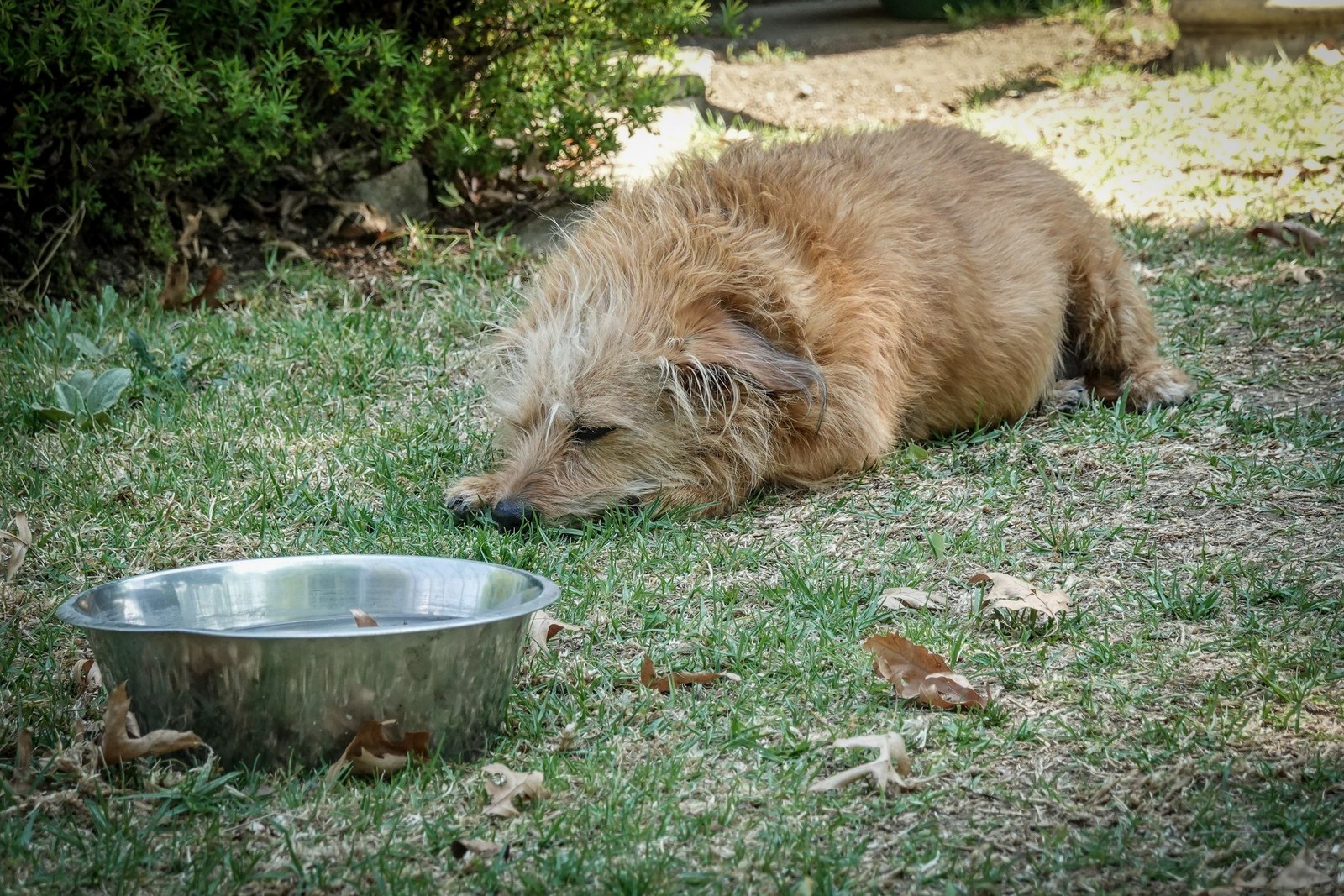
Yes — a noticeable increase in drinking in a senior dog is worth a vet visit, promptly rather than urgently in most cases, but not something to watch for months. Drinking more is one of the body's earliest, vaguest signals that something has changed, and in an older dog several of the possible causes are far easier to manage when they are caught at the "drinking more" stage than at the "clearly unwell" stage.
What "drinking more" can point to
This article cannot diagnose your dog, and it is important not to try to guess at home. Increased thirst in senior dogs can accompany a range of conditions — changes in kidney function, diabetes, hormonal conditions, liver issues, urinary infections, and some medications such as steroids all commonly feature on the list vets work through. Some causes are serious, some are straightforward to treat, and many sit in between. Only your veterinarian, with an examination and usually blood and urine tests, can work out which applies to your dog. The encouraging part: this symptom often appears early, which is exactly when treatment helps most.
Before the appointment: gather useful information
You can make the vet's job much easier with a few days of simple observation:
- Measure the water. Fill the bowl with a known amount each morning and note what is left 24 hours later. "He drinks a lot" becomes far more useful as "about a litre and a half a day, up from roughly a litre."
- Note urination changes. Is he asking to go out more, having accidents overnight, or producing larger puddles?
- Track appetite and weight. Eating more, less, or the same? Does his body condition look thinner over the ribs or spine?
- Note anything else new — energy changes, vomiting, a pot-bellied look, panting, or a coat change.
Write it down rather than trusting memory; appointment-day brains forget details with impressive reliability.
What not to do while you wait
Do not restrict his water. It can feel logical — less water in, less water out — but a dog drinking more is usually doing so because his body needs it, and limiting access can be genuinely dangerous, especially in warm weather or with kidney-related causes. Keep the bowl full and fresh, keep letting him out as often as he asks, and simply book the appointment. If he also stops eating, becomes lethargic, vomits repeatedly, or seems distressed, stop waiting and seek veterinary care the same day.
At the appointment, expect questions about exactly the things you measured, a physical examination, and typically bloodwork and a urine sample. Bringing a fresh urine sample from that morning, if you can catch one, saves time and a return trip.
Keep everyone caring for him in the loop
Senior dogs often have several people in their daily care — a spouse who notices the water bowl, a dog walker who spots the accidents, an adult child who covers weekends. KinsLe Messenger is built for this: it is the per-pet communications hub, so the observations, vet updates, and "he asked to go out three times last night" notes about your dog live in one thread everyone looking after him can follow, instead of scattered across separate text chains. KinsLe Messenger carries those dated intake notes on KinsLe to the appointment, so whoever measured the bowl can show the vet exactly when his drinking climbed.