
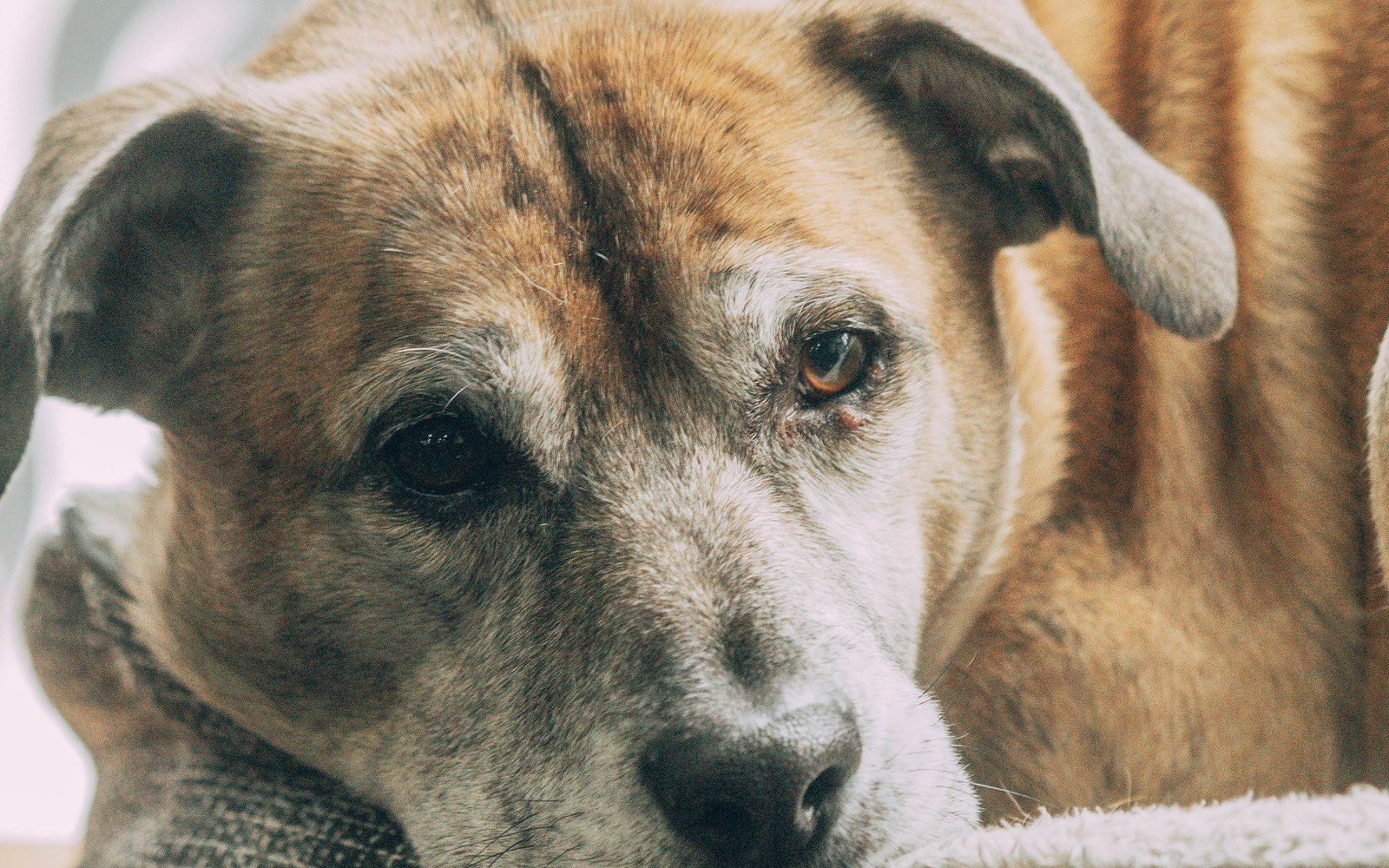
More rest is a genuine need in old age, and longer, deeper naps spread across the day belong to normal aging for most seniors. The sleep itself is not the worry — the change around it is. Sleepiness becomes a concern when it arrives suddenly, when he is hard to rouse, or when it travels with appetite loss, weakness, weight change, or a personality shift. Those combinations deserve a veterinary check rather than another month of watching.
How much sleep is normal for a senior?
Adult dogs commonly sleep around half the day in total, and seniors frequently push well beyond that — 16 to 18 hours of dozing is unremarkable for a healthy old dog, especially one whose joints ache or whose nights are broken by trips outside. What healthy senior sleep looks like matters more than the raw hours: he rouses normally when something interesting happens, still enjoys his walk even if it is shorter, eats with appetite, and has bright, engaged periods between naps, even if those windows are briefer than they once were. The dog who sleeps all day but perks up fully for dinner, a visitor, or a slow sniff around the garden is usually just old, not ill.
The warning signs hiding inside 'sleepy'
Bring your vet into it when you notice:
- A sudden increase in sleep over days, not months
- Difficulty rousing him, or confusion and wobbliness when he does wake
- Sleeping through meals, or clear loss of appetite alongside the naps
- Weakness, stumbling, collapsing, or struggling to rise that was not there before
- Breathing changes at rest, pale gums, or marked weight loss or gain
- Withdrawal — a dog who stops seeking the family entirely, not one who naps nearby
These can point to problems as varied as pain, heart or thyroid issues, anemia, infection, or cognitive decline, and only an exam — often with basic bloodwork — can sort them. That is not a list to frighten you; it is a list to act on early, when most causes are most manageable. And a firm rule: never reach for human medication to perk him up or ease what you guess is pain. Several common human drugs are dangerous for dogs.
Helping a healthy sleeper enjoy his waking hours
If the vet confirms he is simply an old dog doing old-dog things, shape the day around quality, not quantity, of activity. Let him set the schedule: a gentle morning wander, a midday sniff in the yard, a short evening stroll. Guard his rest from household chaos — a bed in a warm, low-traffic corner, children taught that a sleeping senior is off-duty — and keep his routine predictable, since aging brains find comfort in sameness. Mental engagement counts as activity for a dog who cannot run anymore: scatter a few treats in the grass to find, rotate a puzzle feeder, or simply sit with him outside watching the street. Many seniors are not bored of life; they are conserving energy for the parts of it they love, and your job is making sure those parts still happen daily.
The change nobody notices because everybody sees him
Gradual decline is a group blind spot: each person in the house sees the dog daily, so nobody registers how much his energy has faded across six months — until a visiting relative asks what happened. That is why it helps when the whole household pools what each person notices about his energy levels, appetite, and activity, instead of trusting separate impressions. Compared side by side over time, 'he seems tireder lately' becomes a visible trend you can act on — or reassurance, backed by everyone's observations, that his pace is steady. His first pet profile is free, so there is no barrier to creating his profile today.
Through Family Sharing in KinsLe, the owner's parents can open this dog's profile once the owner chooses them.