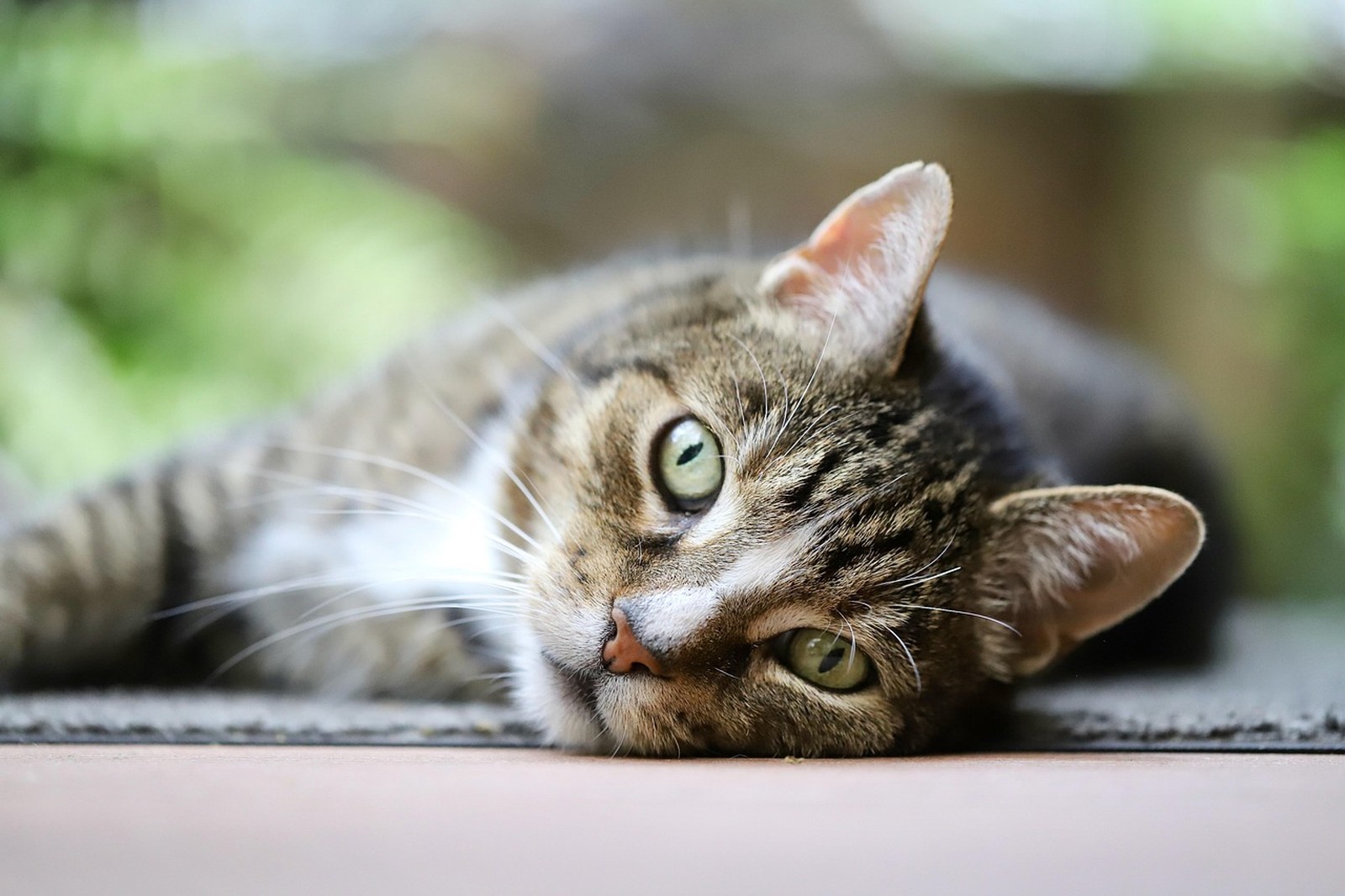
Sneezes that start the moment litter dust rises and stop when the air clears are the nose doing its clearing work, not illness. Low-dust litters reduce the cloud, and pouring slowly, close to the tray, in a ventilated moment keeps it down for both of you. Worry is reserved for sneezing that looks different: frequent fits through the day, discharge from the nose (especially coloured or one-sided), watery or squinty eyes, reduced appetite, or a cat who seems unwell — that pattern is no longer about litter.
Sneezing That Is Actually Illness
The commonest infectious cause is cat flu (herpesvirus and calicivirus), which typically adds eye discharge, mouth ulcers, fever, and appetite loss, and is most likely in kittens, seniors, stressed cats, and multi-cat homes. One-sided discharge or sneezing blood points more toward something local — a grass seed or foreign body, a dental root problem, or, in an older cat, a growth — and earns a prompt vet look rather than watchful waiting. Note how long it has been going, whether both nostrils are involved, and whether eating and energy are normal, and take that to the appointment. Kittens who stop eating because they cannot smell their food can go downhill quickly and should not be waited on.
Working With Your Vet
For litter-linked sneezing, your notes should pin down the trigger: which litter you switched to and when, whether the sneezes cluster right after a pour or a dig, and whether they fade between tray visits. Note discharge colour and side, appetite, and energy alongside. That trigger timeline is what lets a veterinarian separate a dusty tray from cat flu or a foreign body — the diagnosis is the vet's, but the pattern is yours to record accurately.
If you trial a low-dust litter, change one thing at a time and give it a week: count sneezes in the hour after each tray refill for a few days on the old litter, then repeat the count on the new one. A drop to near zero confirms the tray was the irritant; no change means the cause lies elsewhere and the litter experiment has done its job by ruling itself out. Note the room, too — a tray in a small, unventilated cupboard concentrates dust far more than the same litter in an open space, and moving the tray sometimes ends the sneezing before any product change does. Shake and pour outdoors or with a window open where you can, and let the cloud settle before your cat uses the tray again.
Sneezing with coloured or one-sided discharge, blood, eye problems, or appetite loss needs a vet within days — same day for a kitten who is not eating.
Kept in KinsLe's Pet Passport, those litter-and-sneeze notes sit alongside her vaccination record and past visits — a single packet to hand over whenever a vet needs the timeline.