
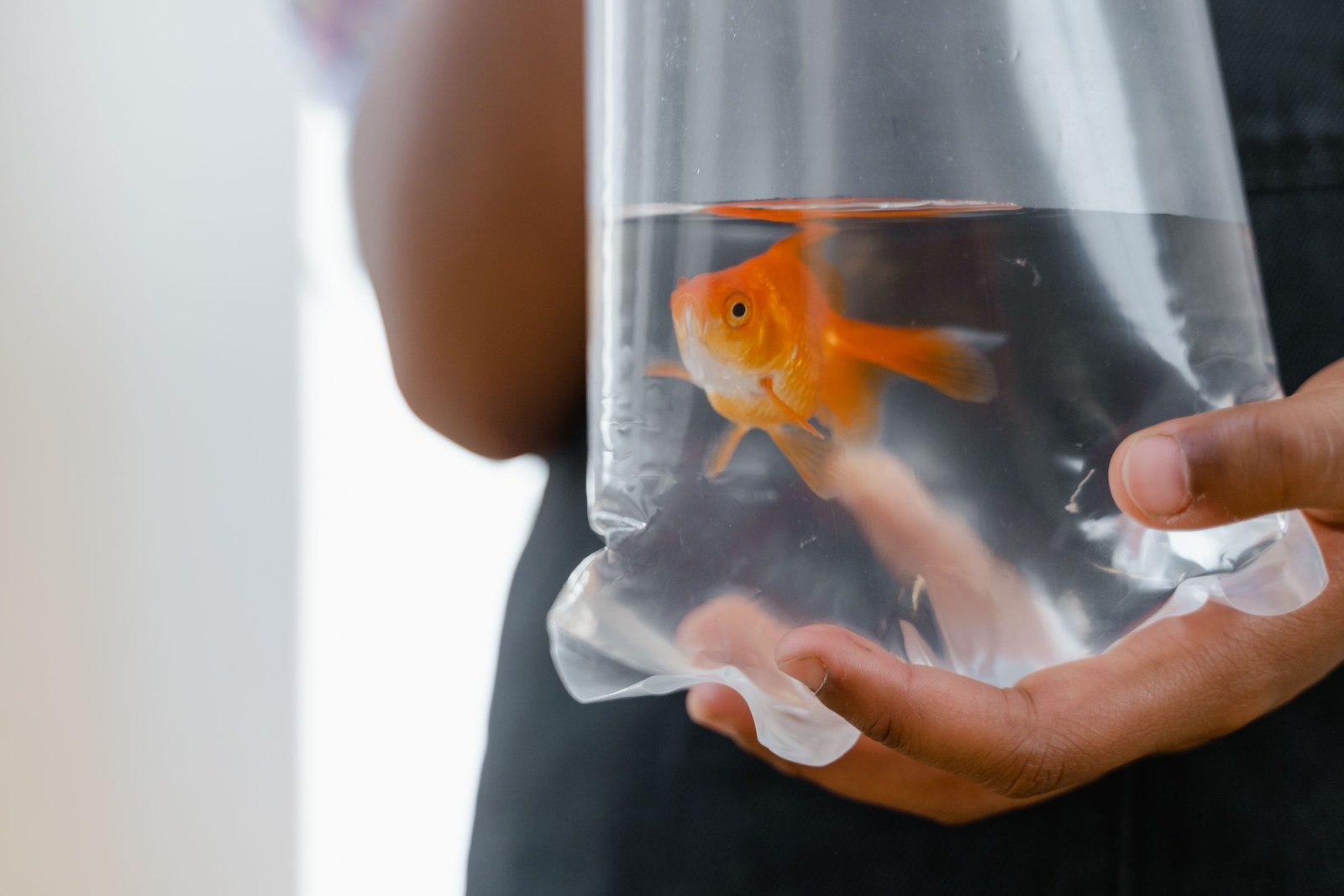
Add your fish slowly — a few at a time over several weeks — rather than buying the whole community at once. Every fish you add increases the waste load, and the beneficial bacteria in your filter need time to multiply and catch up. Dump in a full stocking list on day one and ammonia spikes, fish gasp, and you lose the very fish you were excited about. This is the single most common cause of "new tank syndrome," and it's entirely avoidable. Patience here isn't just virtue; it's biology.
The science in plain terms
Your filter hosts colonies of nitrifying bacteria that convert toxic ammonia from fish waste into nitrite, then into far less harmful nitrate. Those colonies are sized to the current bioload — add six fish and the bacteria need days to weeks to grow to the new demand. During the gap, ammonia and nitrite rise, burning gills and stressing immune systems. Adding fish in small groups keeps each gap tiny and manageable. Think of it as letting the kitchen staff hire up before the dinner rush, not during it.
A step-by-step stocking timeline
Week one: if the tank is fully cycled, add your first small group — say, six hardy schooling fish. Week three: test your water; if ammonia and nitrite read zero and nitrates are modest, add the next group, like your bottom-dwellers. Week five or six: the final additions, perhaps your centerpiece fish. Between additions, feed normally, change water weekly, and watch behavior. If readings ever show ammonia or nitrite, pause additions and do water changes until the tank stabilizes. New tanks under two months old deserve extra caution — the cycle is still maturing.
Why "all at once" is so tempting — and so costly
The store has everything in stock, the tank looks empty, and the kids want it finished today. But a crashed cycle costs more than patience: dead fish, emergency water changes, medications, and a tank that takes weeks longer to stabilize. Stores sometimes encourage big single purchases; a good store will respect a staged plan and hold fish for you. Buying slowly also lets you observe each group healthy before adding the next — if group one develops spots, you deal with six fish, not twenty.
Quarantine fits the slow plan perfectly
Staged stocking pairs naturally with quarantine: each new group does its two-to-four weeks in the quarantine tank while the display tank's bacteria adjust to the previous group. By the time newcomers graduate, the main tank is ready for them. The slow plan and the quarantine plan are really the same plan — deliberate, observant fishkeeping.
How KinsLe helps
As your community grows step by step, each fish's KinsLe Pet Pass works as the verified ID card for its profile — a tidy identity for every arrival, with its own photos and notes from the day it came home. Watching a tank fill out gradually is one of the hobby's great pleasures; documenting each addition makes it even better. Pet Pass on KinsLe gives each new arrival a credential in its keeper's name, so staff at a store or clinic can match a pictured fish to the keeper listed there.