
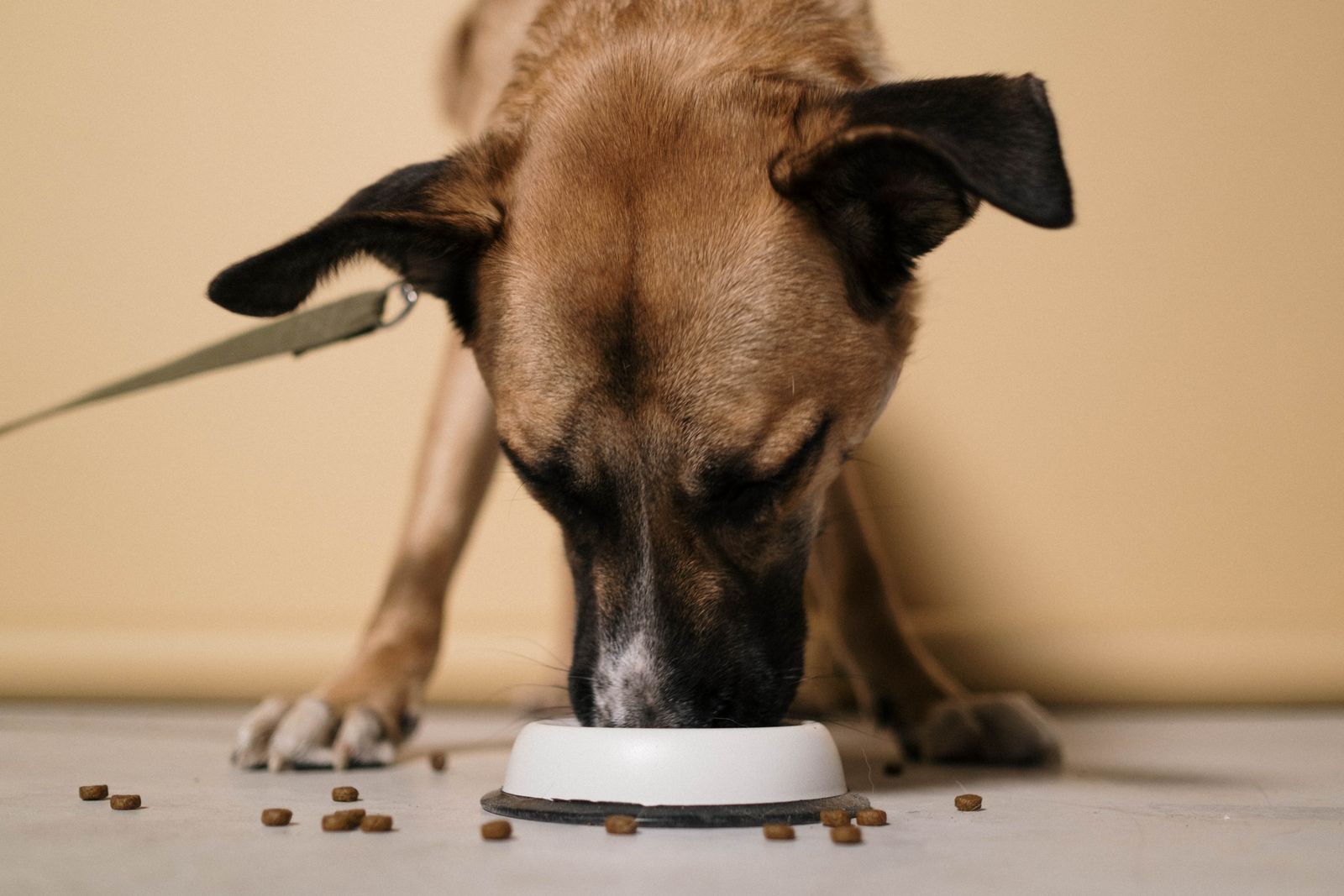
Many senior dogs do benefit from a diet change — a food that is easier to digest, supports aging joints, and matches a slower metabolism — but there is no universal age at which every dog should switch, and the right move depends on his health, weight, and any conditions your veterinarian is managing. Think of senior nutrition as an adjustment to make deliberately with your vet's input, not a birthday-triggered swap in the pet food aisle.
What actually changes as dogs age
An older dog typically moves less and burns fewer calories, so the same bowl that maintained a five-year-old can quietly fatten a ten-year-old — and extra weight punishes aging joints and organs. At the same time, some seniors go the other way, losing muscle and condition. Digestion can become more sensitive, kidneys and hearts may need dietary consideration, and dental wear can make very hard food less comfortable. That spread of possibilities is exactly why 'senior' is not one situation: the chunky, arthritic Labrador and the lean, picky fifteen-year-old terrier need opposite strategies, though both wear the same label.
Signs a diet review is worthwhile
- Steady weight gain — or unexplained weight and muscle loss
- Duller coat, flakier skin, or more digestive grumbling than before
- Diagnosed conditions your vet is monitoring, such as kidney, heart, or joint disease
- Reduced activity meaning his calorie needs have clearly dropped
- New fussiness that might actually be sore teeth rather than boredom
Bring food questions to his checkup with specifics: what he eats, how much, how many treats, and what his body condition looks like. Your vet can score his condition hands-on and tell you whether to switch formulas, simply adjust portions, or investigate a symptom first. Resist starting supplements or specialty diets on marketing promises alone — some genuinely help particular dogs, but your vet knows which ones suit his full picture, and a few can interfere with medications.
Switching foods the safe way
However good the new food is, an abrupt change is the classic recipe for diarrhea and a dog who now distrusts both bowls. Transition gradually over about a week: roughly a quarter new food to three-quarters old for a couple of days, then half and half, then three-quarters new, then fully across. Sensitive stomachs may need ten days to two weeks. Keep treats consistent during the switch so you can tell what is causing any upset, and make changes one at a time rather than overhauling food, treats, and chews simultaneously.
After the switch, reassess honestly over a month or two: weight trending the right way, stool quality good, coat and energy steady, and — the real test — he eats it happily without persuasion.
Hydration and the details around the bowl
Water matters more, not less, with age. Keep fresh water in more than one spot if stairs limit his roaming, and mention any clear increase in drinking to your vet, since thirst changes can be an early symptom worth checking rather than a diet tweak. If his appetite fades suddenly, do not simply shop for a tastier food — appetite loss in a senior is a vet call, because pain, dental disease, and internal problems all present that way first.
Keeping his nutrition record straight
Diets get muddled across households and time: a new bag here, a vet's suggestion there, a sitter's well-meant substitution. KinsLe's Pet Passport is your dog's records packet — vaccines, medications, allergies, and documents in one place — and it is the right home for his current diet and any veterinary nutrition notes, shareable with your vet or sitter so everyone feeds the same plan. When the next checkup comes, you are reviewing facts, not recollections.
Pet Passport on KinsLe keeps the record of that gradual switch — the dates he changed foods, his weight at each step, and the vet notes behind the choice — filed where his next checkup can test them.