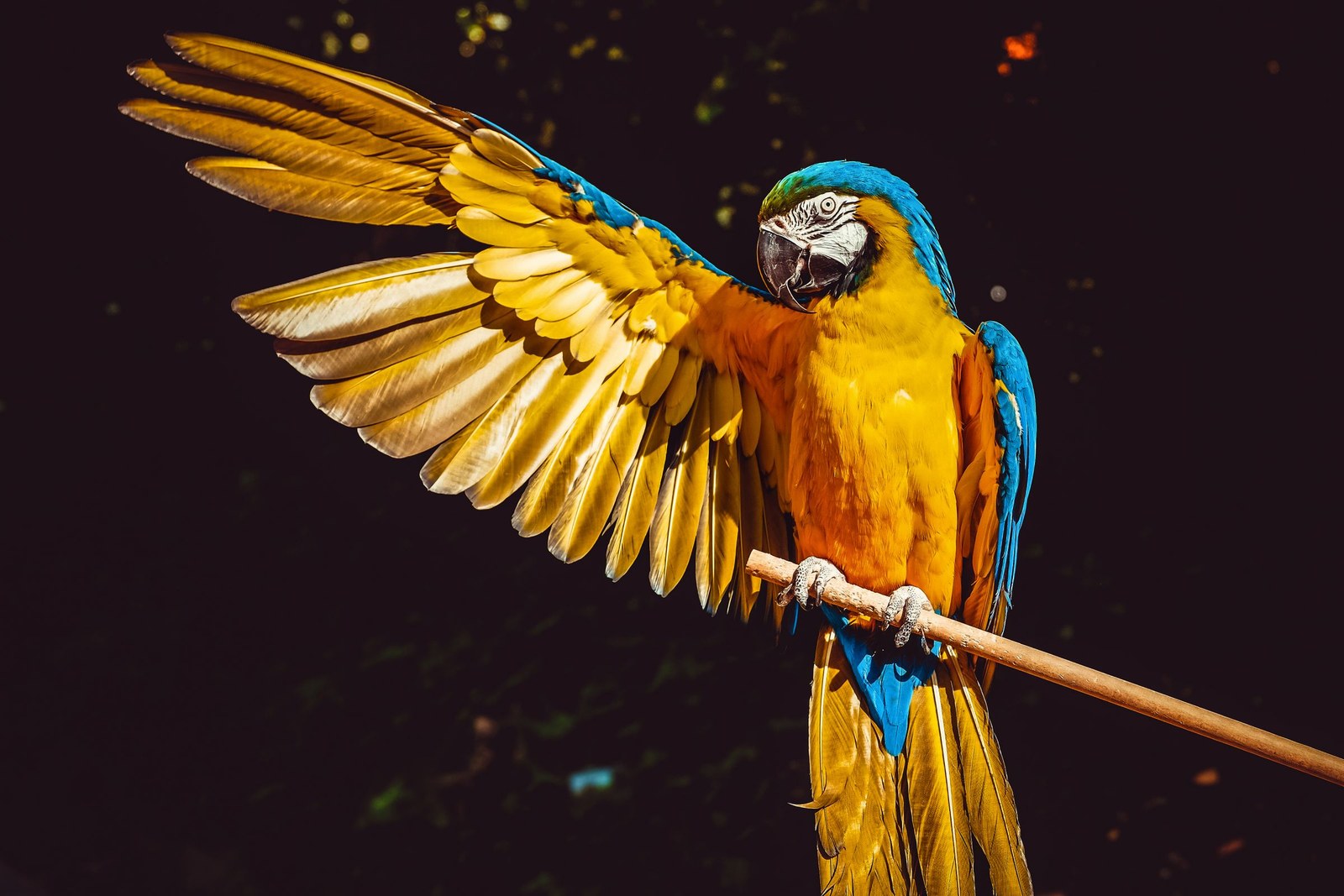
Wing clipping is a personal decision with real trade-offs on both sides. A light clip can reduce escape and injury risk while a new bird is being tamed, but flight is also a bird's main exercise, its confidence, and its natural way of escaping danger. There is no universal right answer — there is only the right answer for your bird, your home, and this stage of your bird's life, ideally decided with professional input.
What a Wing Clip Actually Is
Clipping means trimming some of the primary flight feathers on one or both wings so the bird can glide downward but cannot gain lift. Feathers are not cut from the skin and clipping does not hurt when done correctly on mature feathers — but a growing “blood feather” contains a blood supply, and cutting one causes bleeding and pain. That is the core safety issue: identifying which feathers are safe to trim is a skill, which is why a first clip should always be done by an avian vet or experienced groomer who can show you exactly what is involved. Never attempt a first clip from a video alone.
Clips grow out at the next molt, so the decision is reversible — many owners clip a young bird during taming and let it become fully flighted once it is confident and trained.
The Case For, and the Case Against
Owners who clip usually cite safety: a startled bird flying into a window, a ceiling fan, or out an open door is a real and sometimes fatal accident. Clipped birds are also easier to retrieve and may rely more on their people during early bonding.
The case against is equally real. Flighted birds get far better exercise, tend to be more confident, and can escape a household hazard — a lunging dog, a falling object — instead of being caught by it. Birds clipped too short or on one wing only can fall awkwardly and injure the keel or legs. Many modern avian vets lean toward keeping birds flighted and managing the environment instead: screens, closed doors, fans off during out-of-cage time, and recall training.
Middle Paths Worth Considering
- A conservative “baby clip” that limits lift while preserving gliding control.
- Clipping only during the taming period, then letting feathers regrow.
- Skipping the clip and investing in training: step-up reliability and recall to a hand or perch.
- Flight suits and harnesses for supervised outdoor time, for suitable species and birds trained to them.
Safety Rules Whatever You Decide
Never clip a bird that is mid-molt without professional guidance, keep styptic supplies on hand if trims happen at home, and supervise any clipped bird around other pets — a bird that cannot fly away is more vulnerable, not less. If your bird bleeds from a feather, or you are unsure which feathers are blood feathers, stop and contact an avian vet.
Talking It Through With a Professional on KinsLe
This is a decision to make with someone who can see your actual bird. KinsLe's Pet Services Directory helps you find local groomers, vets, sitters, and trainers, so you can book a conversation — and, if you choose it, a properly done first clip — with someone experienced with birds. Bring your questions about taming, your home's layout, and your bird's temperament. For that first conversation about your bird's wings, use the Pet Services Directory on KinsLe to locate an avian vet near you.