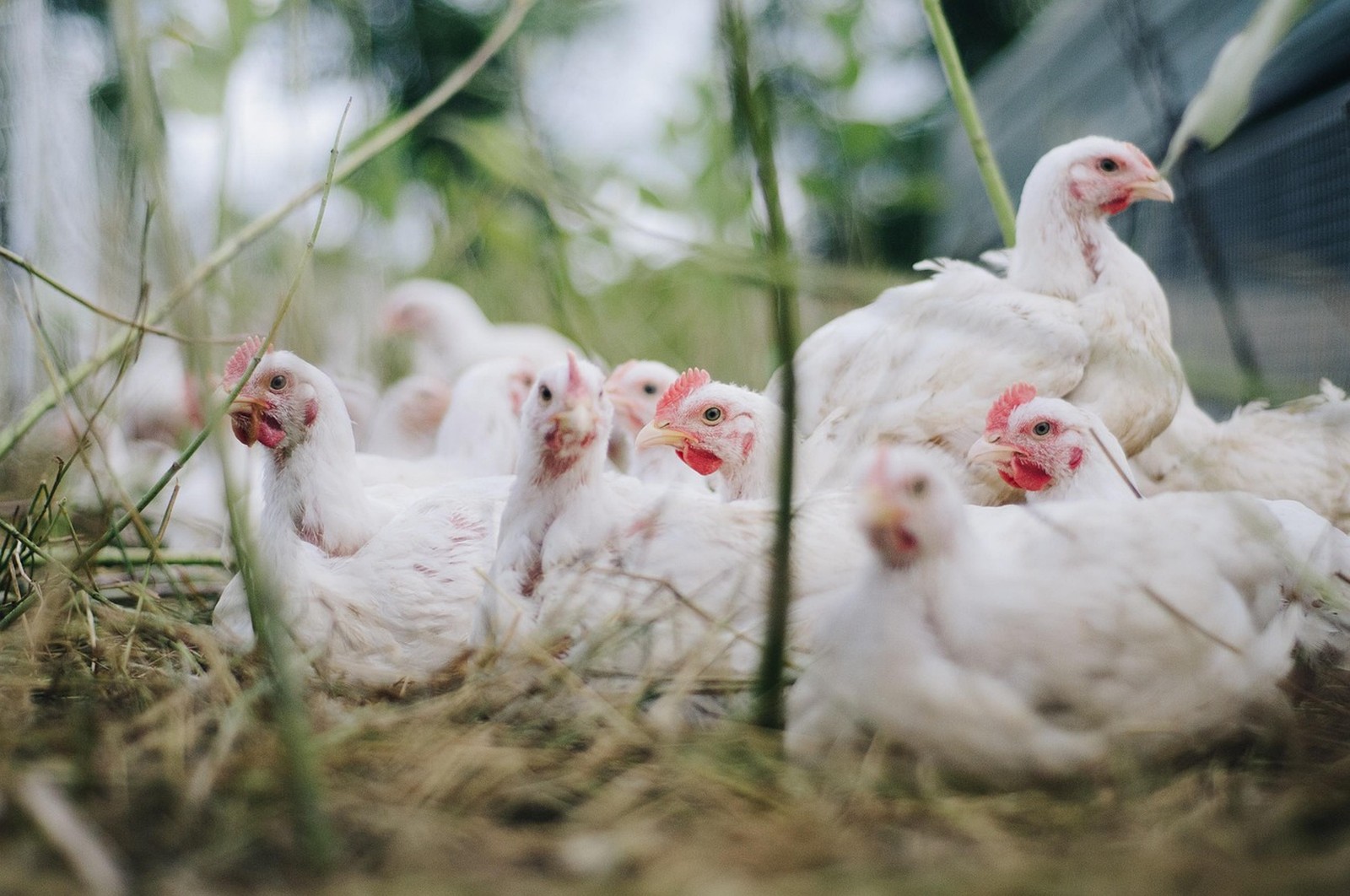
The honest difference is timing and workload. Point-of-lay hens are nearly grown birds that start earning their keep within weeks. Chicks are cheaper and often friendlier, but they are babies first — warm, fragile, and months away from laying a single egg.
Starting With Point-of-Lay Hens
Point-of-lay usually means pullets around 16 to 20 weeks old, fully feathered and ready to go straight into a coop and run. Most begin laying within a few weeks of settling, once daylight, feed, and routine are steady. There is no brooder to run, no heat to manage, and no waiting through the awkward half-feathered stage.
You pay for that convenience: each pullet costs considerably more than a day-old chick, breed choice is narrower, and you inherit whatever the bird learned before you. Ask how the hens were fed, whether they are used to being handled, and why any older hens are being sold — a hen advertised cheaply at two or three years old may already be past her most productive laying period. Quarantine new hens away from any existing birds for a few weeks and watch appetite, droppings, and breathing before mixing flocks.
Starting With Chicks
Day-old chicks need a brooder from the first hour: a draught-free box or pen, dry bedding, chick-sized water that cannot drown them, starter feed, and a heat source holding roughly 32 to 35 degrees Celsius in the first week, reduced gradually as feathers replace down. By about six weeks, fully feathered chicks in mild weather can usually manage without added heat, but cold nights change that calculation quickly.
Plan on daily checks morning and evening — pasted vents, spilled water, and a chick that has wandered from the heat are small problems only if caught early. The reward is real: chicks handled gently as they grow tend to become calm, people-oriented hens, you choose the exact breeds, and the purchase price per bird is low, though feed, bedding, and equipment narrow that gap. Expect first eggs at roughly five to six months, depending on breed and season; chicks raised into autumn may not lay well until days lengthen.
The Decision Points That Matter
- Want eggs this season? Hens. Happy to wait until next season? Chicks.
- No indoor or sheltered space for a brooder for six weeks? Hens.
- Children who want birds that grow up tame, or a specific heritage breed? Chicks.
- Ordering sexed chicks or pullets matters: unsexed batches can include cockerels, which many areas do not allow and many beginners do not want.
Either Way, Set the Routine Early
Both routes end at the same daily rhythm: fresh water, feed, a quick look at every bird, and eggs collected before they sit dirty or frozen. Writing that rhythm down and sharing it stops the flock depending on whoever happens to remember. Sharing those jobs through KinsLe's Care Teams, with each brooder check or egg run marked complete when done, keeps a first flock cared for properly even when the household's week gets busy.