
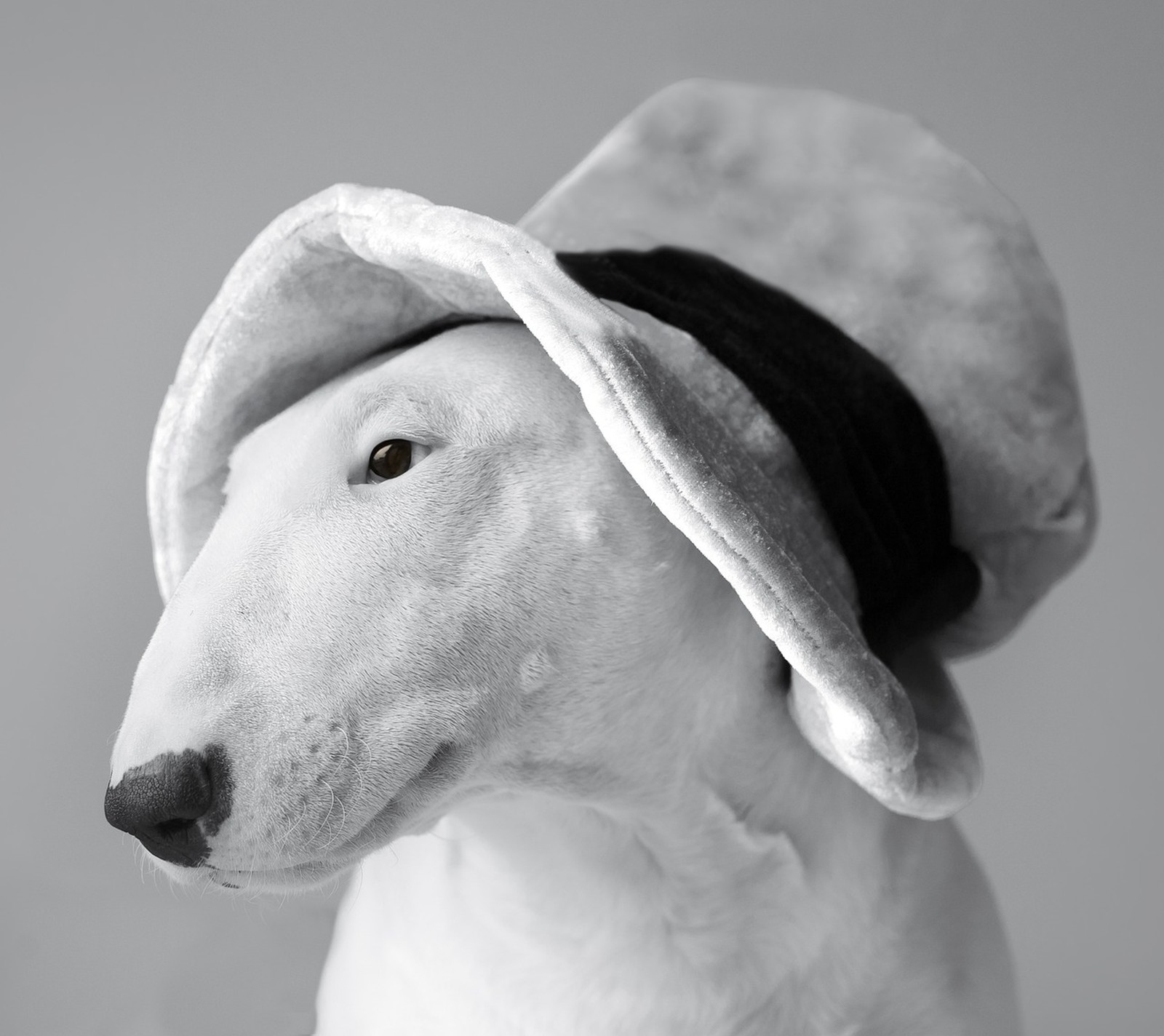
Heavy is normal — gaining is the question
Yes — keep a log, because a Bull Terrier defeats casual judgment in both directions. This is a compact dog built like a small athlete in a barrel: dense bone, thick muscle, and a deep chest mean a perfectly fit Bull Terrier weighs more than visitors expect, while a dog gaining fat can keep a powerful, active look long after the waist has gone. Owners either worry needlessly about a healthy, heavy dog or excuse real gain as just more muscle. A dated log with condition notes ends that argument.
The breed's enthusiasm for food makes the record doubly useful. Bull Terriers are famously wholehearted eaters and persuasive beggars, and in a busy household the extra portions and training treats that drive a slow climb are exactly the ones nobody remembers giving.
What to track for a muscular clown
Weigh puppies every two weeks and adults monthly, on the same scale where possible. Every entry should carry a condition check done by eye and hand together: ribs felt under a firm, muscular cover with slight pressure, a visible tuck behind the ribs from the side, and a waist from above that has not filled into a straight tube. Photograph that side and top view monthly at the same distance — on this breed, shape change shows in pictures before it registers in daily life.
Record food, treats, and chews honestly, plus daily exercise and play. Bull Terriers are energetic and inventive, and a dog whose activity drops because of weather, a household change, or a sore paw will gain on the same meals that previously held him steady. Note skin condition and any paw licking or scratching in the same session if relevant, since you are already handling the dog thoroughly.
Puppy growth: solid, not stuffed
Bull Terrier puppies should grow steadily into their substance, gaining muscle and bone without rounding out. A puppy who feels solid, plays vigorously, and keeps a hint of waist is developing well; a puppy whose ribs require real digging to find is being fed past growth into fat, which adds strain to developing joints and sets habits a food-loving adult will not thank you for.
Use training treats as part of the measured day from the start, and let the log expose the household total. Contact your veterinarian if a puppy's gain stalls, appetite drops, stools stay loose, energy dips, or limping appears and persists. Sudden weight change in an adult — especially loss with increased thirst, appetite change, or reduced zest for play — also deserves a prompt appointment rather than a wait for the next weigh-in, and your dated entries will show exactly when the shift began.
Keeping the adult athlete honest
For adults, set a target range with your veterinarian for your individual dog's frame, then let monthly checks police it. If the number rises twice running, your food and activity notes will usually identify whether the cause is portions, extras, or reduced exercise, and a small early correction preserves both joints and that characteristic springy energy.
Share the log with trainers, sitters, and anyone who feeds your dog, because a Bull Terrier's charm offensive works on every new person. Written amounts and a current target weight are the only reliable defence, and they keep well-meaning helpers from undoing a month of care in a weekend.
Stored in KinsLe with Pet Passport, your Bull Terrier's weights, photo notes, and condition checks build one honest record that separates true muscle from drift at every vet visit and handoff.