
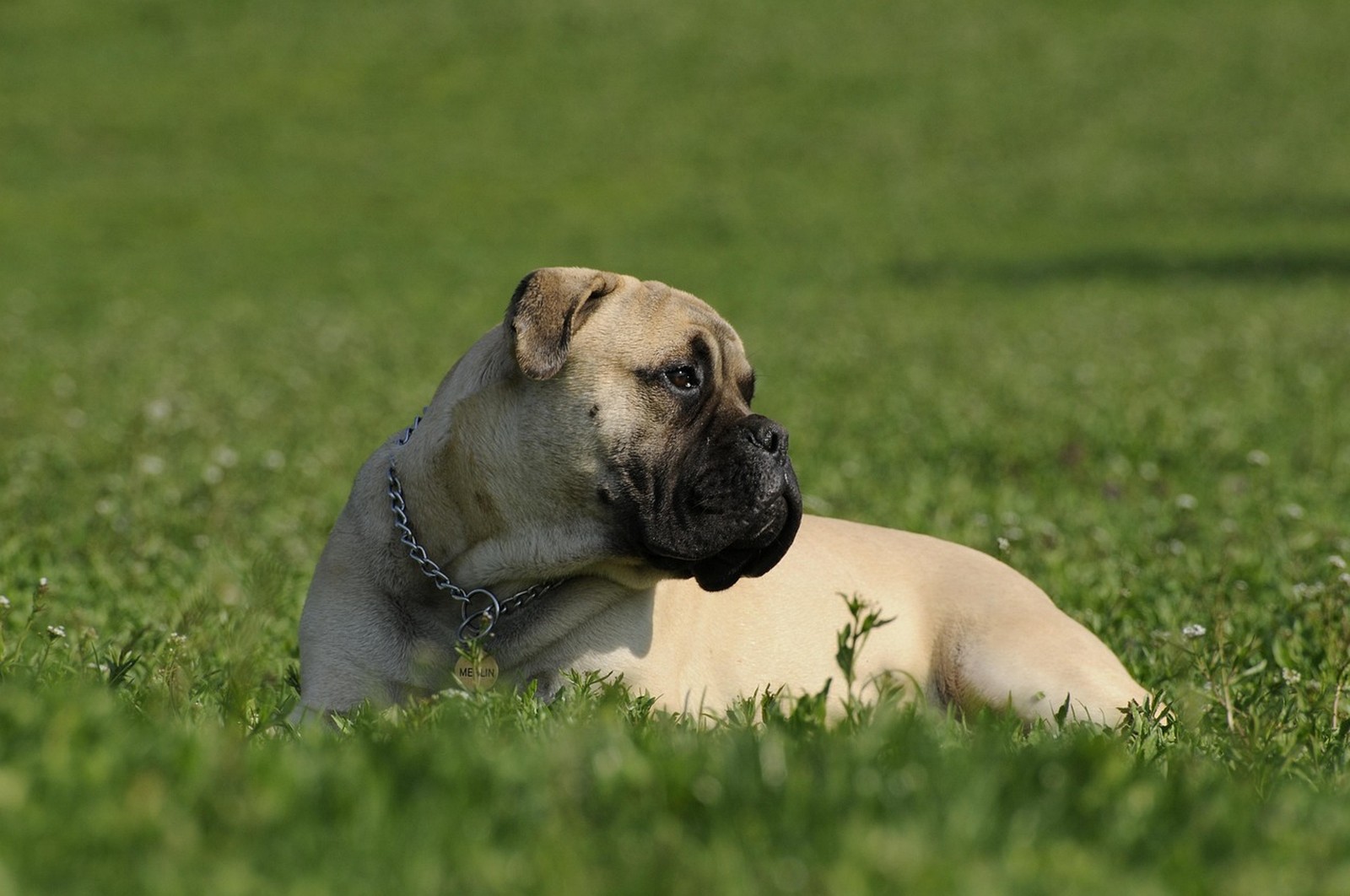
Why a Bullmastiff Benefits More Than Most From a Log
A Bullmastiff puppy can look deceptively finished long before he actually is. This breed piles on muscle and bone over a long stretch, often not filling out fully until well into his second year, and an adult may carry 100 to 130 pounds on a frame that punishes extra weight. A single scale reading cannot tell you whether your dog is growing steadily, stalling, or quietly gaining fat over muscle. A dated log can. When entries sit in a row, the shape of the curve becomes obvious, and that shape is what your veterinarian reads when judging whether a Bullmastiff pup is developing at a pace his joints can support.
What Steady Growth Looks Like in This Breed
Expect fast early gains that gradually taper rather than stop abruptly. A young Bullmastiff adds weight quickly in the first months, then the increases slow as height levels off and the chest and shoulders broaden. That second phase fools many owners: the scale still climbs, but the dog is adding width, not getting fat. Your log should therefore pair each weight with a quick body check — ribs felt easily under a thin cover, a visible tuck behind them, and a waist seen from above. Note height at the shoulder every month or so as well. When weight rises while height and rib feel stay stable, you are watching healthy filling-out rather than overfeeding.
How to Weigh and Record a Dog This Size
Home bathroom scales fail with a Bullmastiff, because holding a squirming 60-pound puppy while standing on a scale stops being safe or accurate very early. Use the scale at your vet's office or a pet-supply store, and ask to drop by between appointments just for a weigh-in — most clinics welcome it. Record the date, the weight, what he is eating and roughly how much, and any change such as a new food, fewer walks in hot weather, or neutering. Weigh at a similar time of day, before a meal, so entries stay comparable. Puppies go on the log every two weeks; once growth settles, monthly entries are enough to catch drift.
Patterns in the Log That Deserve a Vet Conversation
A Bullmastiff whose weight shoots up sharply over a few weeks while his activity drops deserves a prompt call, since excess load on growing elbows, hips, and knees can do lasting harm. The opposite pattern matters too: a puppy who plateaus or loses weight while eating eagerly may not be absorbing his food well, or may be dealing with parasites — both are questions for an examination rather than a bigger bowl. In an adult, unexplained loss paired with heavier breathing or reduced stamina should never wait for the next routine visit. Bring the log itself to the appointment; a three-month trend answers questions that one weigh-in on the day cannot.
Keeping the Record Where Everyone Can Use It
A growth log only helps if it is complete, current, and findable on the day someone else needs it — a relief feeder checking portions, a boarder confirming his size, or a new vet meeting him for the first time. Loose notes on a phone tend to scatter exactly when the numbers matter. Storing the entries in KinsLe's Pet Passport keeps your Bullmastiff's weight history bundled with his other records in one portable packet, ready to show at a clinic, on a trip, or during any handoff.