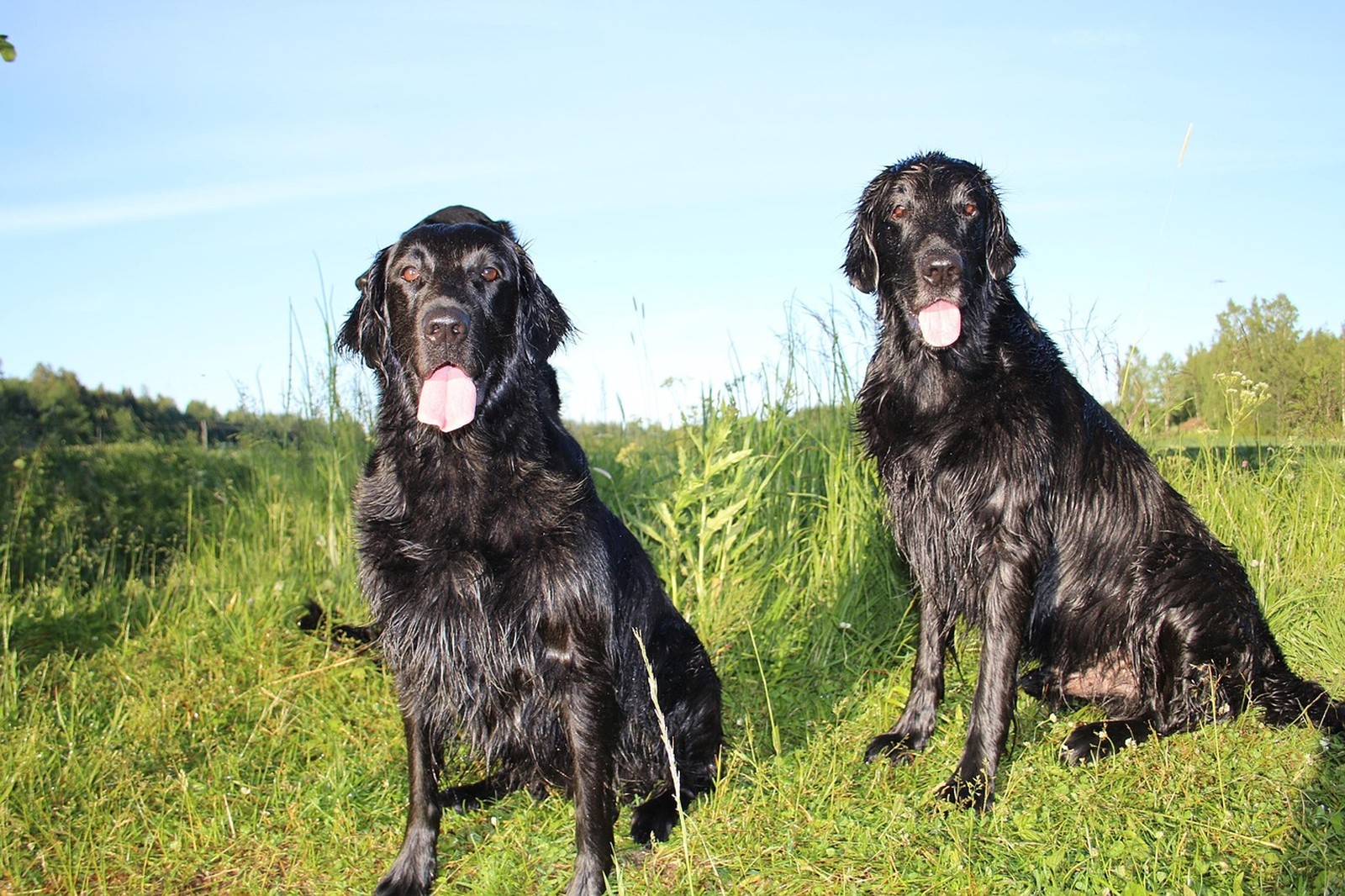
A Breed That Always Looks Like It Is Thriving
Yes, keep the log. Flat-Coated Retrievers are famous for a Peter Pan temperament — wagging, clownish, and apparently tireless well into maturity — and that joy can conceal physical change longer than in a more demonstrative breed. The sleek black or liver coat lies flat and shows condition better than a spaniel's feathering does, but owners watching a dog who greets every day at full enthusiasm rarely spot a slow gain or a subtle thinning until it is pronounced.
The log also earns its place because your weighing routine doubles as a hands-on health check. Running your palms over ribs, chest, and legs every entry is how early lumps and bumps get found in any dog, and a dated note of when you first felt something is valuable information to bring to a vet.
What Goes Into a Flat-Coat's Log
Record weight from the same scale, a rib and waist check by hand, and a short condition line: coat shine, appetite at meals, and enthusiasm and stamina on retrieves and swims. Flat-Coats are water dogs whose exercise swings hugely with the seasons — a summer of daily swimming leans a dog out, while a winter of short walks pads one up — so the activity note beside each weight is what makes the number interpretable.
Add a bump map note whenever your hands find something new: location in plain words, approximate size compared with a coin or pea, and the date first noticed. You are not diagnosing anything; you are creating a timeline a veterinarian can use, and re-checking at the next weigh-in tells you whether it has changed.
For puppies, log weight and height together. Flat-Coats grow into substantial, elegant retrievers and then keep maturing in chest and muscle after height settles; steady progress is the expectation.
Reading the Retriever's Line
A healthy adult line wobbles with activity and settles back. Long plateaus at good condition are ideal. The signals to act on are a climb paired with a softening rib check — trim measured portions, count the generous training rewards this food-loving breed collects, and add retrieving work gradually — and a decline paired with anything else: reduced appetite, a coat losing its gloss, or enthusiasm that finally dims.
That last combination deserves promptness in a Flat-Coat. A breed this buoyant going quiet, alongside weight loss, is a marked change; the log shows when it began. Equally, a new lump that grows between entries, changes feel, or appears alongside weight loss should be examined without waiting for the next routine visit.
Growth in youngsters should be steady rather than spectacular. Avoid pushing a puppy's weight up with extra meals to reach an imagined ideal; lean, steady growth is kinder to developing retriever joints, and your log proves steadiness.
When the Vet Needs the Whole Picture
Bring the log when weight shifts without a matching change in food or exercise, when appetite or water intake changes persistently, when a recorded bump grows, or when stamina on familiar retrieves fades. Dated entries convert 'he seems a bit off lately' into a timeline, which genuinely helps a clinician narrow possibilities. Never start a supplement or a special diet for a worrying trend before that conversation; record, report, and let the examination lead.
Keeping Joy and Paperwork in One Place
Flat-Coats live big, social lives — shoots, shows, holidays, swims at friends' lakes — and their health history should be as mobile as they are. KinsLe's Pet Passport gathers the weight entries, growth notes, and bump timelines into one portable packet with your Flat-Coated Retriever's other records, so any vet, anywhere, sees the full story at once.