
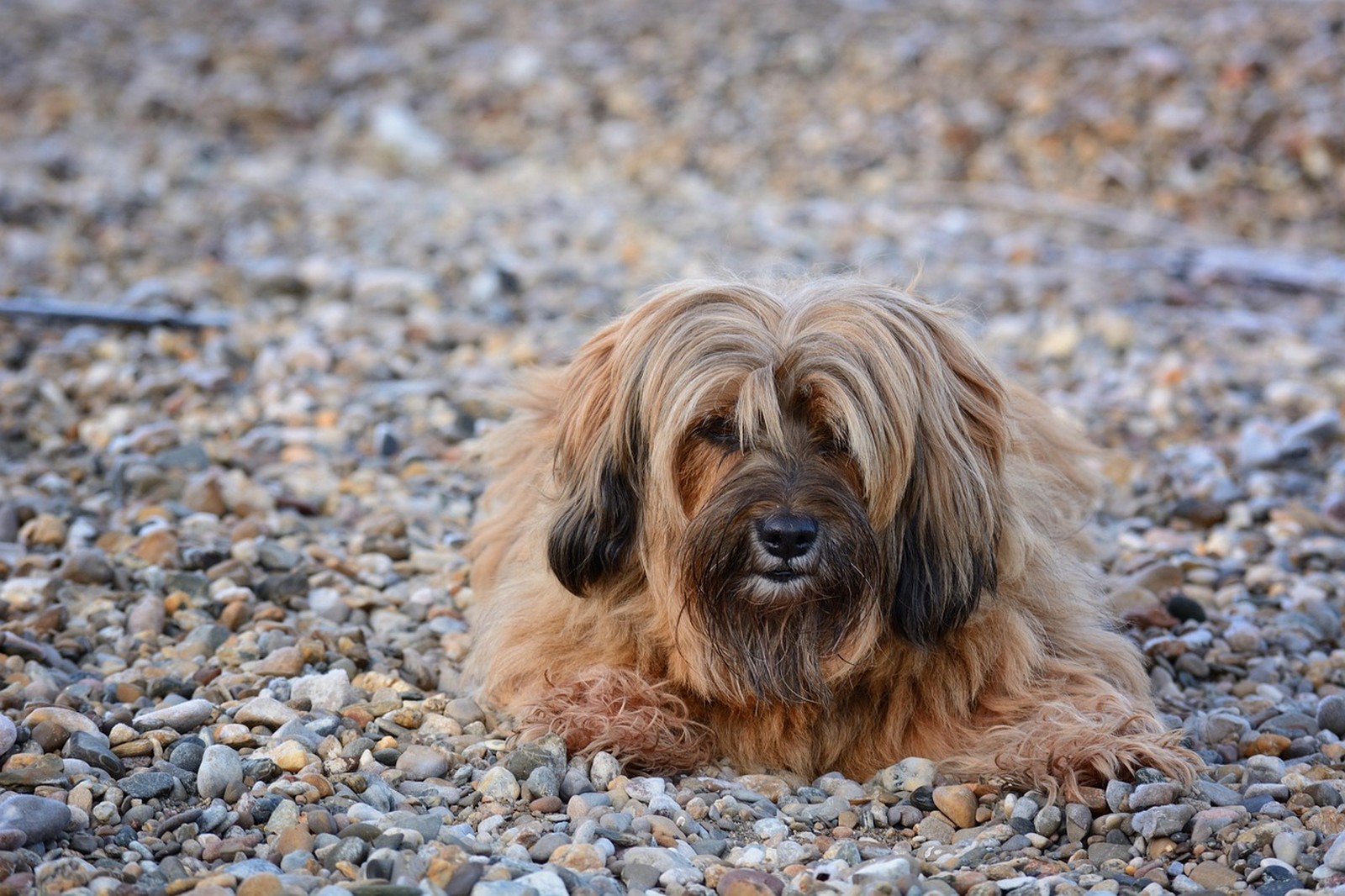
Why the Coat Defeats the Eye With This Breed
Yes, because a Tibetan Terrier's most famous feature is also the problem. The long, fine outer coat over a soft undercoat falls in a way that drapes the whole body, often parting along the back and sweeping down both sides. Whether the dog underneath is lean, ideal, or carrying extra padding, the falling coat presents almost the same picture, especially between grooms when the hair is at full length.
The breed's moderate, square build compounds the illusion. This is neither a tiny lap dog nor a heavy giant, so changes arrive in modest amounts that eyes adjust to gradually. Family members see the dog daily and recalibrate without noticing. A scale reading written down monthly does not recalibrate; it simply reports, and comparing this month with three months ago reveals what familiarity concealed.
What a Useful Entry Looks Like
Weigh on the same scale before a meal where possible, then record date, weight, and a touch-based condition note. Push your fingers through the coat to feel ribs under a light, even covering, feel for a waist behind the ribs, and note the belly line from the side with the coat lifted. A sentence about coat state helps too, since a freshly groomed dog and one due for a full brush-out can present very differently.
Add the lifestyle notes that move this breed's weight: walk length, play sessions, food amount, and treat habits. Tibetan Terriers are companion dogs who spend much of the day near their people, which means many small, uncounted handouts from the household. When the log climbs, that treat column is often where the explanation lives.
Rhythm for Puppies, Adults, and Seniors
During the first year, weigh every two to four weeks as your puppy grows into a moderate adult frame, noting that growth may come in modest spurts rather than dramatic leaps. Check the curve with your veterinarian at routine puppy visits, and keep entries coming after the first birthday, when many owners stop measuring just as growth slows and the same food amount starts adding condition instead of frame.
Monthly adult entries are a light habit with real payoff, and they matter again in the senior years, when a long-coated older dog can lose muscle under the hair while appearing unchanged. In a senior Tibetan Terrier, a falling log entry paired with a bonier feel along the spine is information a vet will want promptly, not at the next annual visit.
Acting on What the Log Shows
Treat three rising entries as a cue to measure food precisely for a fortnight, count every treat against the day's ration, and recheck. Treat any unexplained fall, a fading appetite, or a dog who tires noticeably sooner on familiar walks as a reason to book a veterinary visit and take the log along, because the dated pattern helps separate a gradual drift from a sudden change.
The log also settles household debates kindly. Instead of arguing about whether the dog looks heavier, the family can read three months of entries and agree on the facts before adjusting anything.
Keeping Coat, Weight, and Health Notes in One Place
For a breed whose care already involves grooming schedules, eye appointments, and routine vet paperwork, one more scattered notebook is easy to abandon. Filing the weight entries with those other records keeps the habit alive and makes the whole picture available whenever someone new grooms, minds, or examines the dog.
Inside KinsLe, your Tibetan Terrier's Pet Passport holds the weight log together with her other records as one portable packet, so the trend is ready whenever a vet visit or a stay with family comes up.