
Why an Athletic Spaniel Still Needs a Written Log
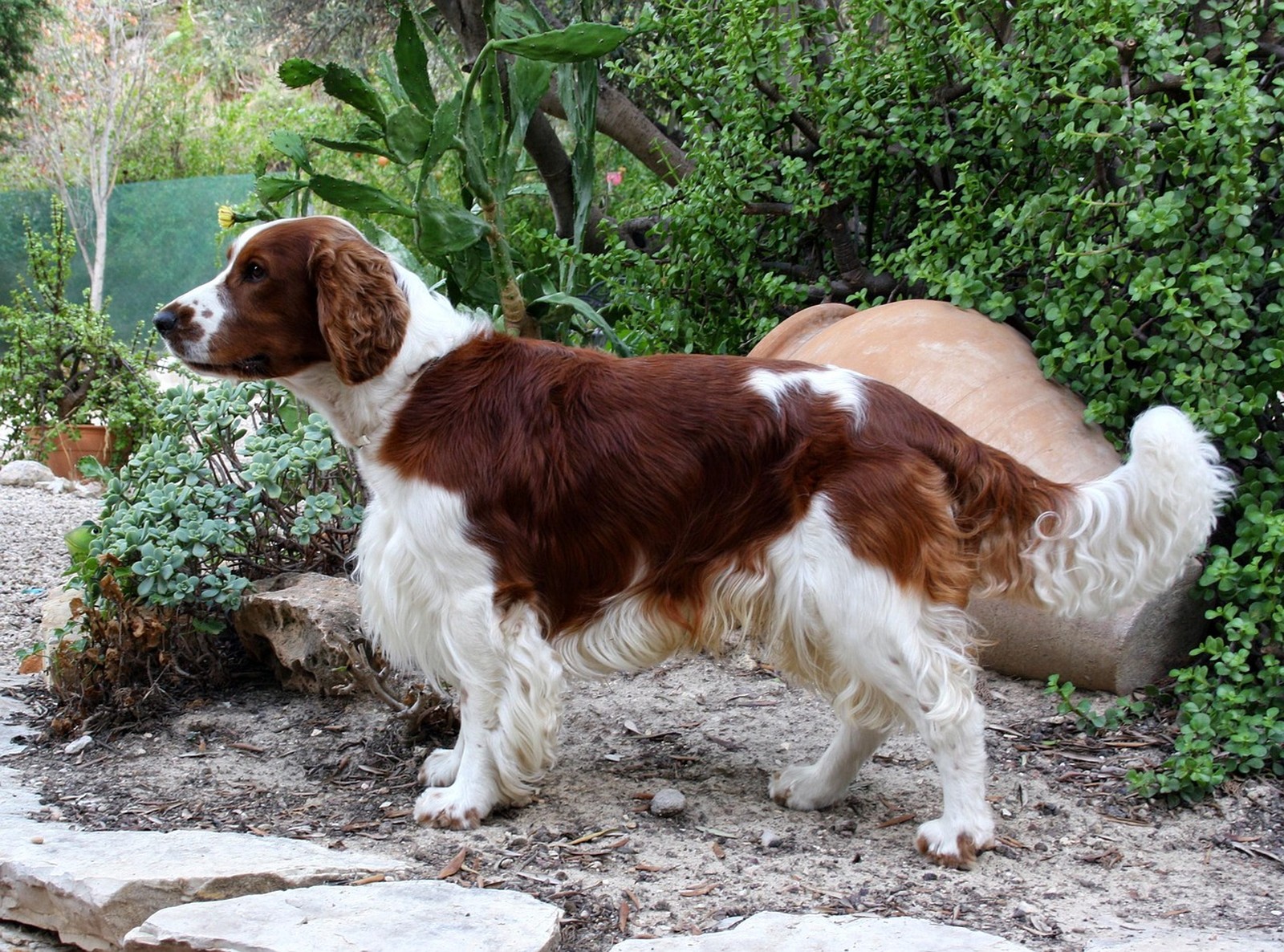
Yes, because fitness is this breed's disguise. A Welsh Springer Spaniel is a compact, muscular sporting dog bred to work all day in cover, and a fit one carries real substance through the chest and hindquarters. That substance makes casual judgement unreliable: an overweight Welshie can be excused as sturdy, while a properly lean dog in hard condition can be mistaken for underweight by visitors used to softer pets.
The breed's working rhythm adds genuine fluctuation. A dog training and picking up through a busy season burns far more than the same dog during quiet household months, yet the bowl often stays the same size year-round. A log that pairs weight with activity exposes that mismatch the moment the quiet season starts adding up, instead of months later at a routine vet visit.
What to Capture Beyond the Scale Number
Weigh on the same scale and record date, weight, and a condition note based on feel: ribs readily felt under a light fat cover, a waist visible from above and a tuck from the side, and muscle tone through the hindquarters noted in plain words. For a Welsh Springer, that muscle note matters as much as the number, because two dogs at identical weights can be in entirely different condition.
Log the work honestly beside it. Note days trained or worked, longest walks, swimming, and rest days, plus the current food amount and any seasonal change in ration. Many owners raise food for the working season and forget to lower it afterwards; the log, read back, shows exactly when the higher ration outlived the work that justified it.
A Rhythm That Follows Growth, Then Seasons
Weigh a Welsh Springer puppy every two to four weeks through the first year, watching for steady growth toward a medium, well-muscled adult frame rather than rapid bulk. Growing joints in a sporting breed do not need extra fat to carry, so discuss any steep climb with your veterinarian at puppy checks and adjust meals in small steps.
For adults, monthly entries work well, with an extra weigh-in at the start and end of any working or training season. That seasonal pair of readings brackets the period when condition legitimately changes and gives you a target to return to when the work tails off and the household routine resumes.
Interpreting Muscle Gain Versus Fat Gain
A rising weight with ribs still easy to feel, a clear waist, and firmer hindquarters during a training block is likely honest muscle, and the log's activity column will back that reading. A rising weight with a fading waist during a quiet month is padding, whatever the scale number says in isolation, and the fix is a measured trim to the ration plus restored activity, judged at the next entries.
Take the log to your veterinarian if weight drops during a working season despite a full ration, if appetite or stamina falls away, or if an older Welsh Springer's entries slide steadily downward. A dated record of weight, food, and workload gives the vet a working history to investigate rather than a single snapshot.
Keeping Condition History With the Rest of the File
Sporting dogs collect paperwork in many hands: trainer notes, vet records, a family member's feeding chart. When the weight log sits with the rest of the dog's records, anyone adjusting food or planning work can see the current condition and its recent direction at once, which prevents well-meant overfeeding by whoever fills the bowl next.
In KinsLe, the Pet Passport keeps your Welsh Springer Spaniel's weight and condition entries together with her other records in one portable file, so the story of her fitness travels from home to trainer to vet.