
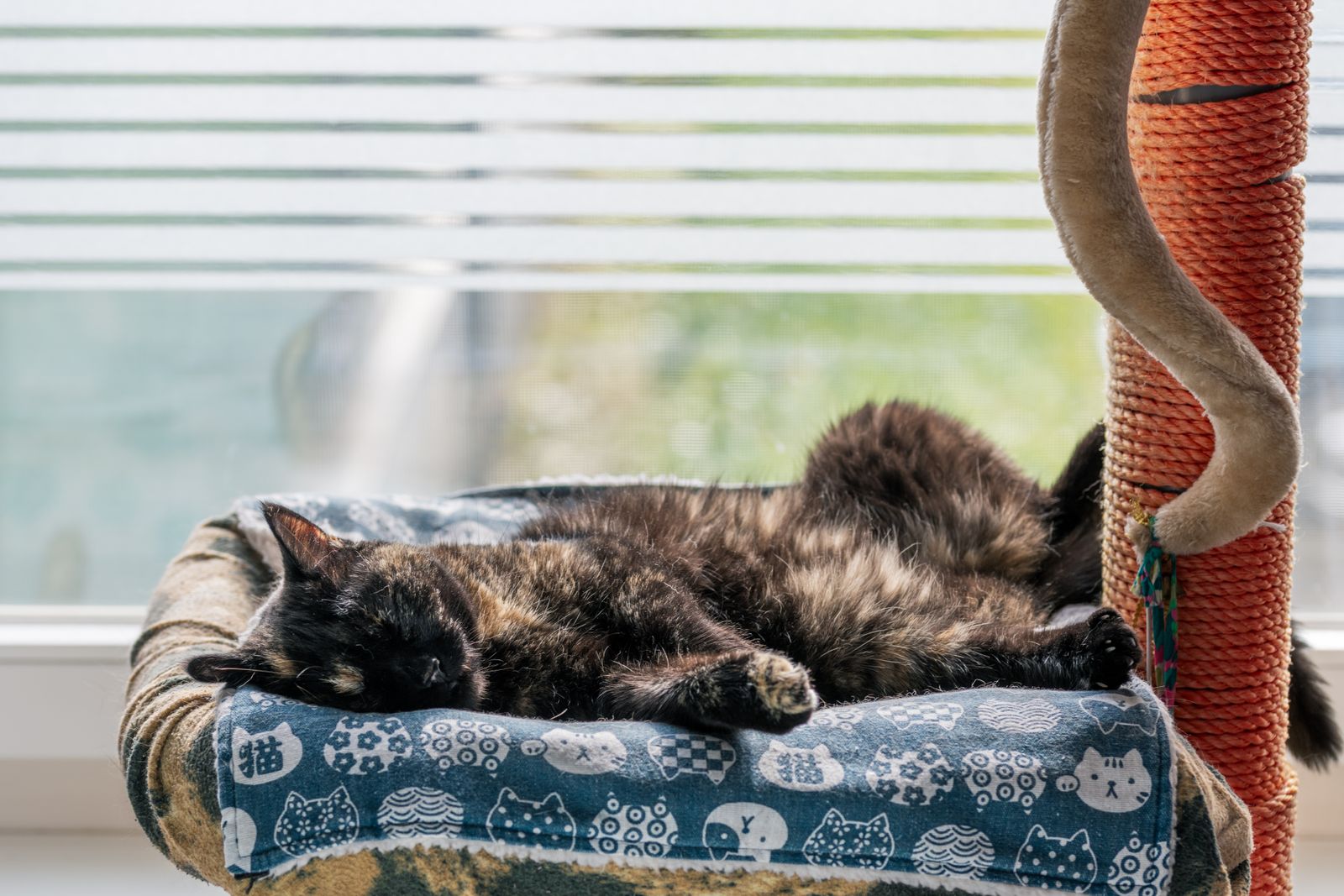
Yes — for an adopted cat, indoor-only is the safer, longer-life choice, keeping them away from traffic, predators, fights, and disease, and a cat adapts happily to indoor life when it includes posts to scratch, places to climb, and play every day. Outdoor freedom is not what makes a cat content; territory, stimulation, and routine are, and all three can be provided inside four walls.
What the Outdoors Actually Risks
Free-roaming cats face a stack of hazards their owners rarely witness: cars are the biggest killer, but coyotes and dogs, fights with other cats that can transmit disease and cause abscesses, poisons such as antifreeze and rodent bait, and simply getting trapped in a shed or carried far from home all shorten outdoor lives. Outdoor cats also hunt wildlife, which some owners and neighbors understandably object to, and intact roamers contribute to kitten overpopulation.
If outdoor access is ever part of your plan, it should only come after the cat is thoroughly settled and bonded to your home.
Making Indoor Life Genuinely Good
Indoor-only works when the indoors are designed for a cat, not just tolerated by one:
- Vertical territory: shelves, a tall cat tree, or a cleared bookcase top — height is safety and status to a cat.
- Scratching options: at least one tall post plus a cardboard scratcher, placed near sleeping spots and sofas.
- Window access: a perch by a window is television for cats; a bird feeder outside the glass multiplies the value.
- Daily play: two short interactive sessions with a wand toy burn the hunting energy that otherwise becomes ankle ambushes and 3 a.m. sprints.
- Rotation and puzzles: rotate toys weekly and use a puzzle feeder sometimes, so the environment keeps offering small surprises.
Middle Paths: Fresh Air Without Free Roaming
If you would love your cat to feel grass and sun, supervised options give you both worlds. A leash and harness — introduced indoors over days, letting the cat wear the harness for treats before any door opens — suits some confident cats well. An enclosed catio, from a window-box style to a full patio enclosure, offers unsupervised-but-contained outdoor time.
Safety Steps Whichever You Decide
Keep screens secure — cats lean on window screens and fall — and be extra careful with doors during deliveries and guests, which is when most indoor cats slip out. Microchip your cat and keep the registration current, and consider a collar with ID if she is a door-darter. If she does get out, act fast: search nearby hiding spots at quiet hours, put out familiar-smelling items, and notify neighbors immediately — indoor cats usually hide very close to home.
That response is built into KinsLe: the Lost Pet Alert System is free in every profile — raise one and the alert shows on the map, and a finder can message you directly through your cat's profile. It is a safety net every indoor cat should have, exactly for the day a door is left ajar. For the day she slips past a door despite all that indoor care, her profile on KinsLe already holds the Lost Pet Alert System, with the alert displayed for finders to see and a direct route for them to reach you.