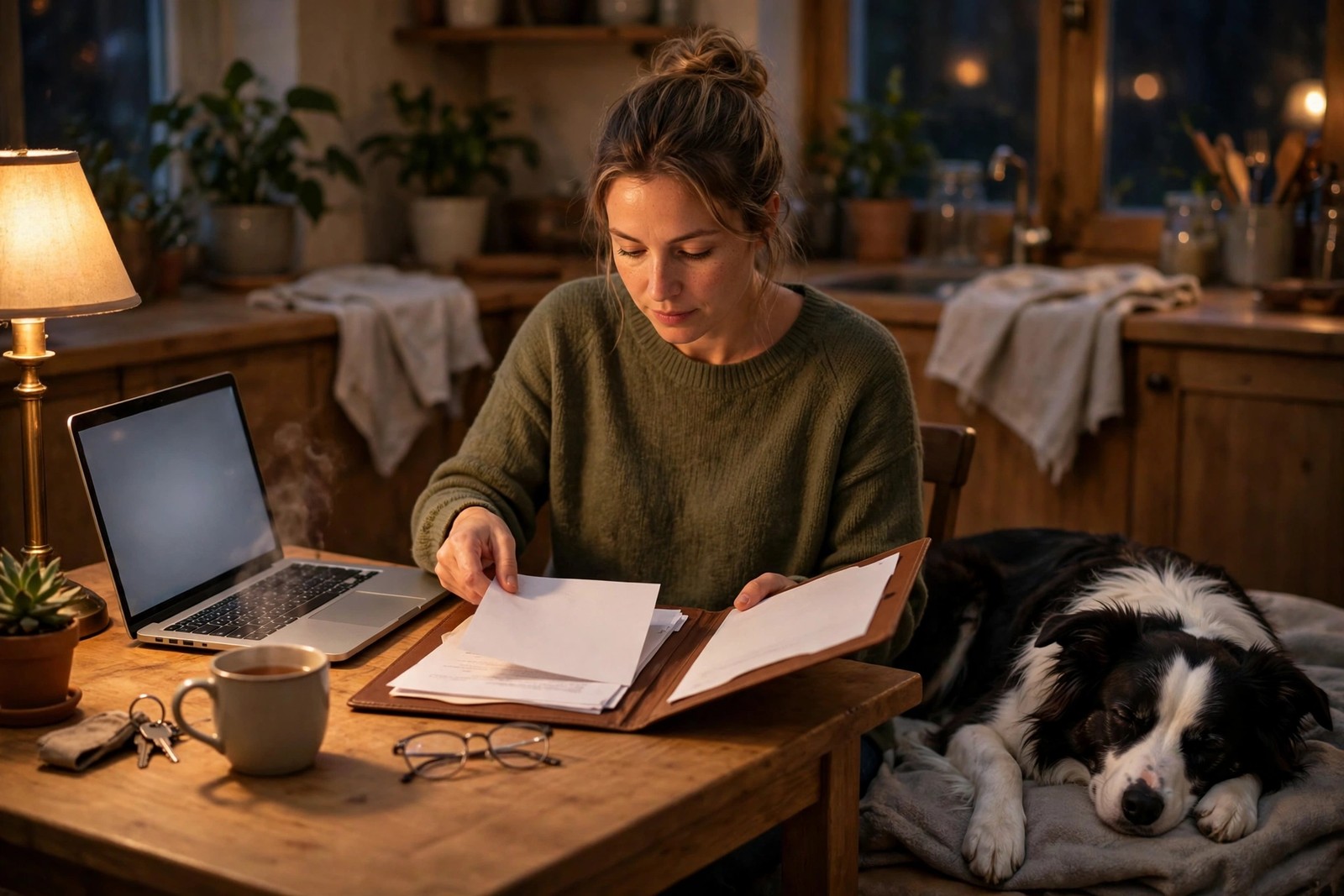
Keep your own copy. That is the short, complete answer — not because clinics keep poor records, but because their file lives in one building, on one system, during opening hours, while your dog's emergencies rarely respect any of those limits.
Where Relying on the Clinic Falls Down
Picture the situations where history actually gets used. Your dog swallows something on a Sunday evening and the emergency clinic, which has never seen her, needs to know her current medications, any drug reactions, and whether she has a condition that changes anaesthesia choices. You move house and register elsewhere, and the transfer takes days. You change practices after a disagreement, board your dog while travelling, or your clinic merges, closes, or changes software. In every case the dog in front of the vet is the same dog — only the paperwork is missing.
There is a subtler gap, too. The clinic file records what that practice did. It may not capture the lump you photographed growing at home, the food that upset her stomach last spring, the over-the-counter product you tried, or the behaviour change you mentioned to a trainer. Your own copy is where the whole dog lives, not just her appointments.
What Your Copy Should Actually Contain
- Vaccination dates and what was given, plus parasite prevention and when it is next due
- Every medication, why it was prescribed, and any reaction or side effect you saw
- Surgeries, dental work, injuries, and ongoing conditions such as allergies, arthritis, or a heart murmur
- Weight history, diet and amounts fed, and foods that clearly disagree with her
- Microchip number, a recent clear photograph, and both your vet's and an emergency clinic's details
Ask for a printed or emailed summary at the end of each visit and file it the same day. Most practices will happily share records with the owner; you are not questioning their competence, you are building your dog's safety net.
Keeping It Current Without Making It a Chore
Tie the update to something that already happens: when you book the next appointment, add today's notes. Photograph paper certificates rather than transcribing them. Keep one copy at home, one accessible on your phone, and tell your emergency contact where they are. Review the file twice a year and strike out anything superseded, so a sitter reading it at speed is never working from last year's medication list.
If more than one person takes your dog to appointments, agree that whoever went updates the record that evening. Gaps creep in through households, not laziness — one partner assumes the other filed the blood results, and six months later nobody can find them.
The Payoff on the One Day It Matters
On an ordinary week this folder feels like admin. On the one bad day — an emergency admission, a lost dog, a sudden referral — it turns a frightened scramble into a calm handover of facts. Carrying that complete history in KinsLe's Pet Passport means the packet a new vet, boarder, or sitter needs is already assembled, current, and yours to share the moment it is asked for.