
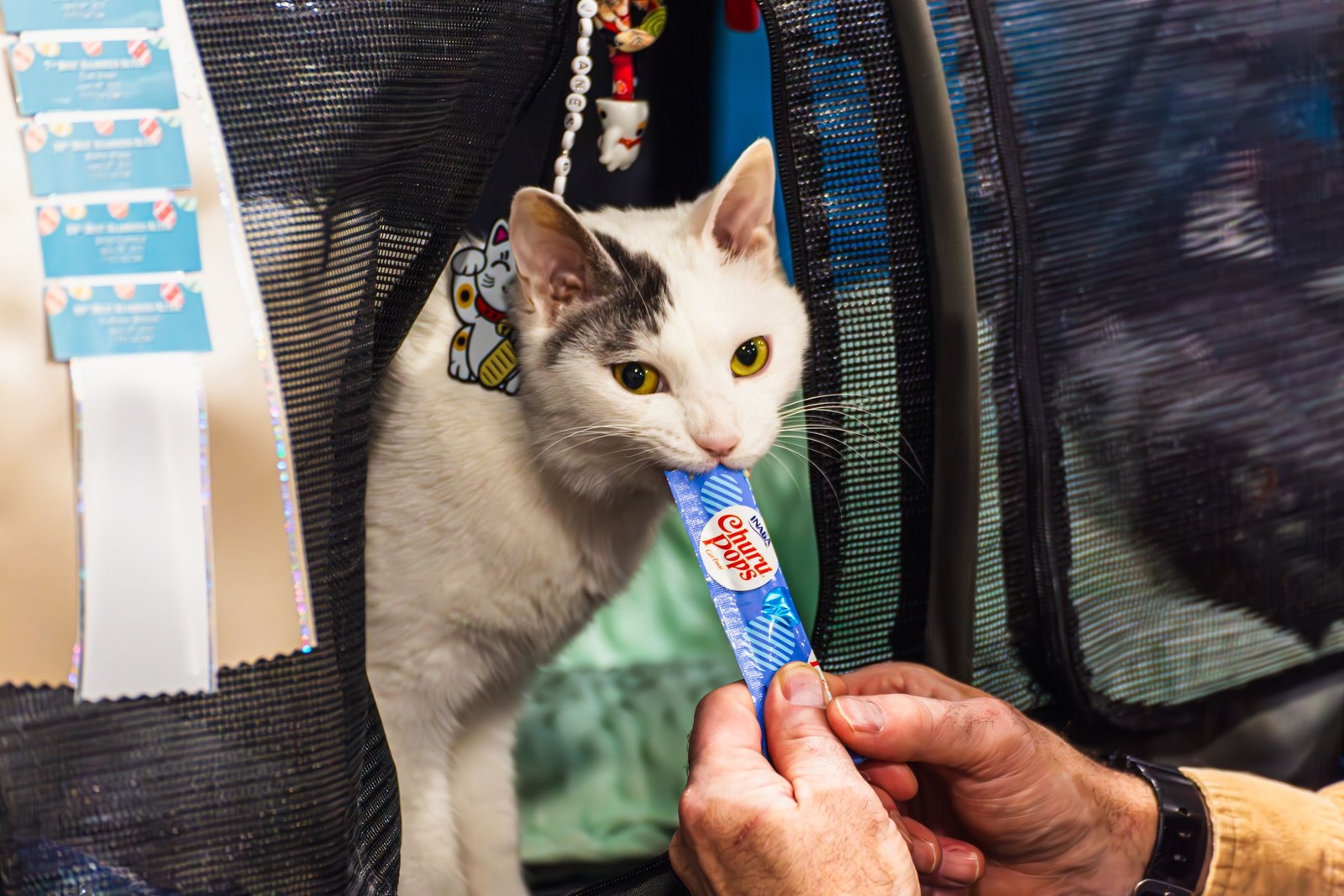
Yes — for most cats, leaving the carrier out all the time helps a lot, because a carrier that only appears for vet trips quickly becomes a warning sign, while one that lives in a cosy corner becomes ordinary furniture she may choose to nap in. It is one of the simplest, cheapest changes you can make to reduce travel-day stress for both of you.
Why a Hidden Carrier Creates Panic
Cats learn sequences. If the carrier's only appearances in a year are followed within minutes by a chase, a car ride, and an examination, your cat does not need to understand any of it — the sight and smell of the box alone starts the alarm. Storing it in a garage or loft adds dust, cold, and strange smells, so even the object itself feels unfamiliar when it finally comes out.
A carrier that is always present breaks the sequence at its first link. It gathers home scent, becomes part of her territory, and may earn the highest compliment a cat gives an object: being slept in while completely ignoring its purpose. Trips still happen, but they become the rare exception in a long history of the carrier meaning nothing at all.
Setting It Up as Furniture, Not Equipment
Placement matters. Put the carrier in a quiet room she already likes — near a sunny spot or her usual resting area, not beside a washing machine or a busy hallway. Fix the door open or remove it entirely so it reads as a den, not a trap. Add bedding she already uses, and refresh it on your normal laundry rhythm so it always smells like home.
Encourage use without making a project of it:
- Drop a treat or a favourite toy inside occasionally, with no follow-up
- Feed the odd meal nearby, then inside, if she is hesitant at first
- Let her sleep undisturbed — do not pull her out for cuddles or photos
- Clean any accidents promptly so old stress smells do not linger
If you have space, this works for each cat in a multi-cat home, because sharing a single den-carrier can create competition; a second inexpensive carrier gives everyone a retreat.
What to Watch and Adjust
Some cats take weeks to investigate, and that is fine — curiosity on her timetable is the point. If she avoids it entirely, try moving it a few feet, changing the bedding, or placing it inside a cardboard box, since some cats prefer an extra layer of concealment. Kittens usually adopt a permanent carrier quickly; older cats with years of vet-trip associations may need months, and that patience still pays off at the next appointment.
Keep the carrier itself in good condition while it is out: check latches and hinges occasionally, and do a practice close and short lift now and then so those steps do not become novel again on travel day.
Safety Notes for a Carrier That Lives Out
Make sure the carrier cannot be tipped by children or a dog, and that the door, if attached, cannot swing shut and trap a tail or paw. Wash bedding regularly and inspect the interior for chewed plastic or loose parts. A carrier used as a bed still needs to be a safe carrier — if the door no longer closes securely, repair or replace it rather than discovering it in the car park.
Keeping It Inviting as a Family Habit With KinsLe
The carrier stays welcoming through tiny, regular jobs — refreshing the blanket, replacing treats, giving it a quick clean — and those jobs are easy to forget or duplicate in a busy household. With KinsLe's Care Teams, family members can share those small daily jobs, with duties assigned and completions timestamped, so the carrier stays inviting without one person carrying the whole routine.
Left out, lined, and left alone, the carrier stops being an announcement and becomes a nap spot — and vet day gets quieter for everyone. With those small jobs assigned through the Care Teams board on KinsLe, blanket refreshes, treat top-ups, and quick cleans stay with named family members instead of drifting.