
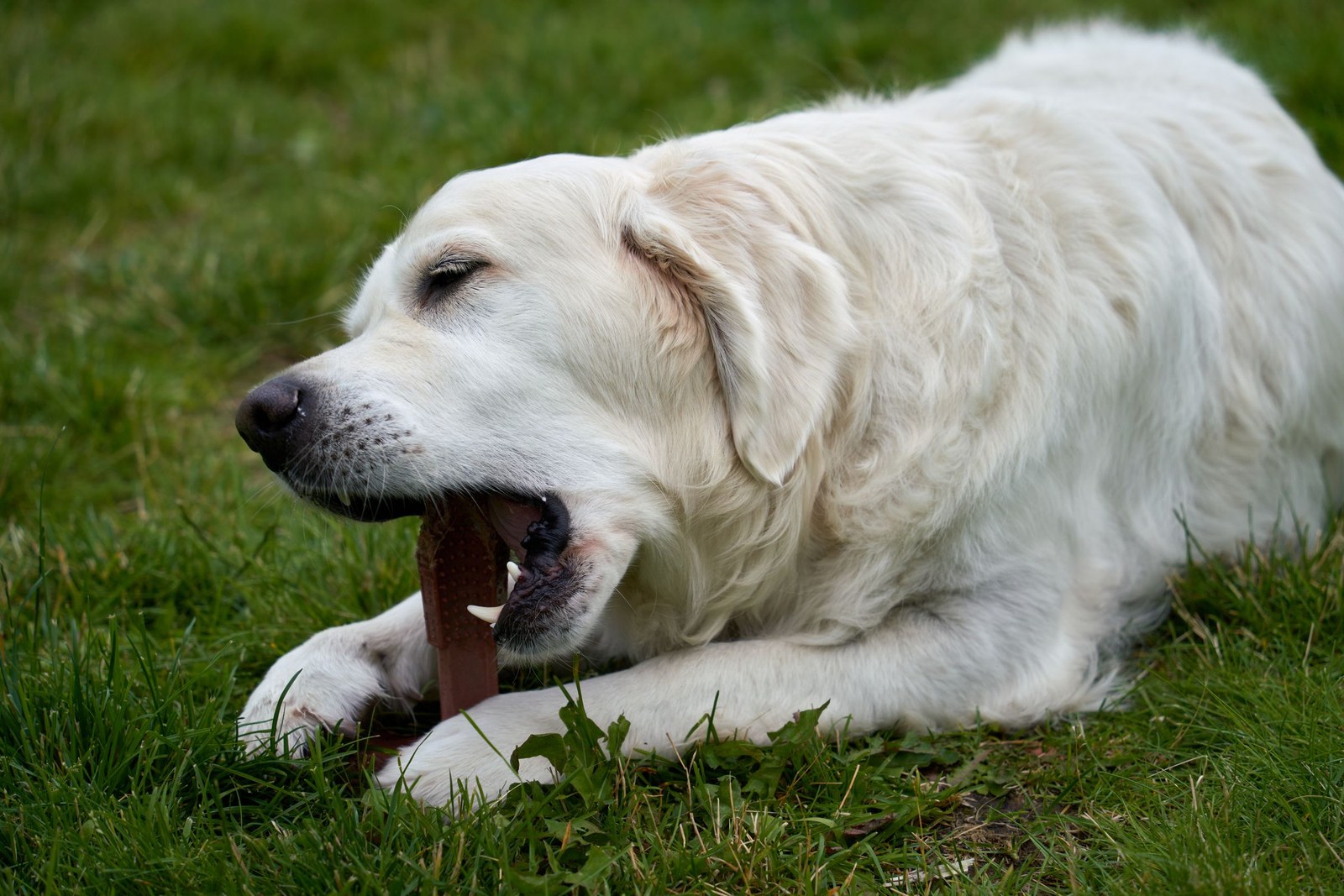
Generally, no — you should not shave a double-coated dog to keep them cool. That thick double coat insulates against heat as well as cold, and shaving it off can actually make temperature regulation harder, change how the coat grows back, and leave skin exposed to sunburn. Brushing out loose undercoat so air can circulate, plus shade, water, and common sense on hot days, cools a double-coated dog far better than clippers do.
How a Double Coat Actually Works
Breeds like huskies, golden retrievers, German shepherds, corgis, and Pomeranians carry two layers: a soft, dense undercoat and a longer, weather-resistant topcoat of guard hairs. Together they trap a layer of air next to the skin. In winter that air layer holds warmth in; in summer it buffers the skin against direct heat and sun, while the guard hairs shed water and dirt. Dogs do not sweat through their skin like we do — they cool mainly by panting and through their paw pads — so removing the coat does not open up a cooling system. It removes a protective one.
What Shaving Can Go Wrong
Owners who shave a double coat often meet problems they did not expect:
- Sunburn and exposure. Skin that has always been covered burns easily, and light-skinned dogs are at real risk on sunny days.
- Patchy regrowth. The coat may grow back unevenly, with guard hairs returning slowly or not at all in older dogs, leaving a fuzzy, dull texture sometimes called coat funk.
- Worse insulation. A shaved coat that grows back wrong can leave the dog less equipped for both heat and cold for seasons afterward.
- Hidden skin issues. Without the coat's protection, scratches, insect bites, and irritation become more likely.
There are exceptions: a vet may clip areas for surgery, wound care, or severe matting that cannot be brushed out. That is medical clipping, which is very different from a summer shave.
What Actually Keeps a Double-Coated Dog Cool
Brush out the undercoat regularly — that is the real summer job. Loose, packed undercoat is what blocks airflow, so an undercoat rake or slicker session a few times a week during shedding season makes a genuine difference. Provide shade and constant fresh water, walk in the early morning and evening rather than midday, and let your dog rest indoors during heat peaks. A shallow paddling pool is a favorite for many northern breeds. Never exercise a heavily coated dog hard in hot weather, and know the signs of overheating — heavy panting, drooling, wobbliness — which mean stop, cool down, and call a vet if they do not settle quickly.
Asking a Groomer Who Knows Double Coats
A good groomer is worth finding before summer: they can de-shed the undercoat properly with the right tools and a high-velocity dryer, tidy the feathering, and confirm your dog's coat type if you are unsure whether it is truly double. KinsLe's Pet Services Directory lets you search local groomers, vets, sitters, and trainers, so you can find someone experienced with double coats rather than a salon that reaches for clippers by default. To book that de-shedding session instead of a shave, use the listings in the Pet Services Directory on KinsLe to find a groomer who de-sheds huskies, shepherds, and retrievers every week.