
For most female dogs who will not be part of a responsible breeding program, yes — veterinarians generally recommend spaying. It permanently prevents pregnancy and heat cycles, and it removes or reduces the risk of several reproductive health problems. The honest answer, though, includes timing: the when deserves a real conversation with your vet.
What Spaying Does — and What It Ends
Spaying is surgery under anesthesia in which the ovaries, and usually the uterus, are removed. Afterward your dog no longer comes into heat, which ends the twice-yearly cycle of restlessness, spotting on floors and furniture, and intense attention from intact male dogs at the park and sometimes at your fence line.
It also eliminates the possibility of pyometra, a serious uterine infection that typically strikes older unspayed females and requires emergency surgery. Spaying before the early heat cycles is associated with a lower risk of mammary tumors later in life, though the size of that benefit depends on timing, which is one reason vets want to discuss your individual dog rather than recite a rule.
What spaying does not do is change your dog's personality or make her lazy by itself. Weight gain after spaying usually traces to the same causes as any weight gain — food portions and activity — and is manageable with measured meals and normal exercise once she has healed.
Timing: Breed and Size Matter
Small breeds mature quickly, and many vets are comfortable spaying them around six months, often before the first heat. Large and giant breeds — think a growing Great Dane or Bernese Mountain Dog — mature slowly, and some vets prefer to wait until growth plates have closed, because hormones play a role in skeletal development. Certain breeds have research pointing one way or the other on timing and later joint or cancer risk.
This is genuinely a case-by-case decision. Bring your dog's breed, expected adult size, and any family history you know to the appointment, and ask your vet to explain the trade-offs for her, not for dogs in general. If you adopted an adult dog who is still intact, it is not too late — adult spays are routine, though your vet will do pre-surgical bloodwork first.
Recovery: The Two Weeks After
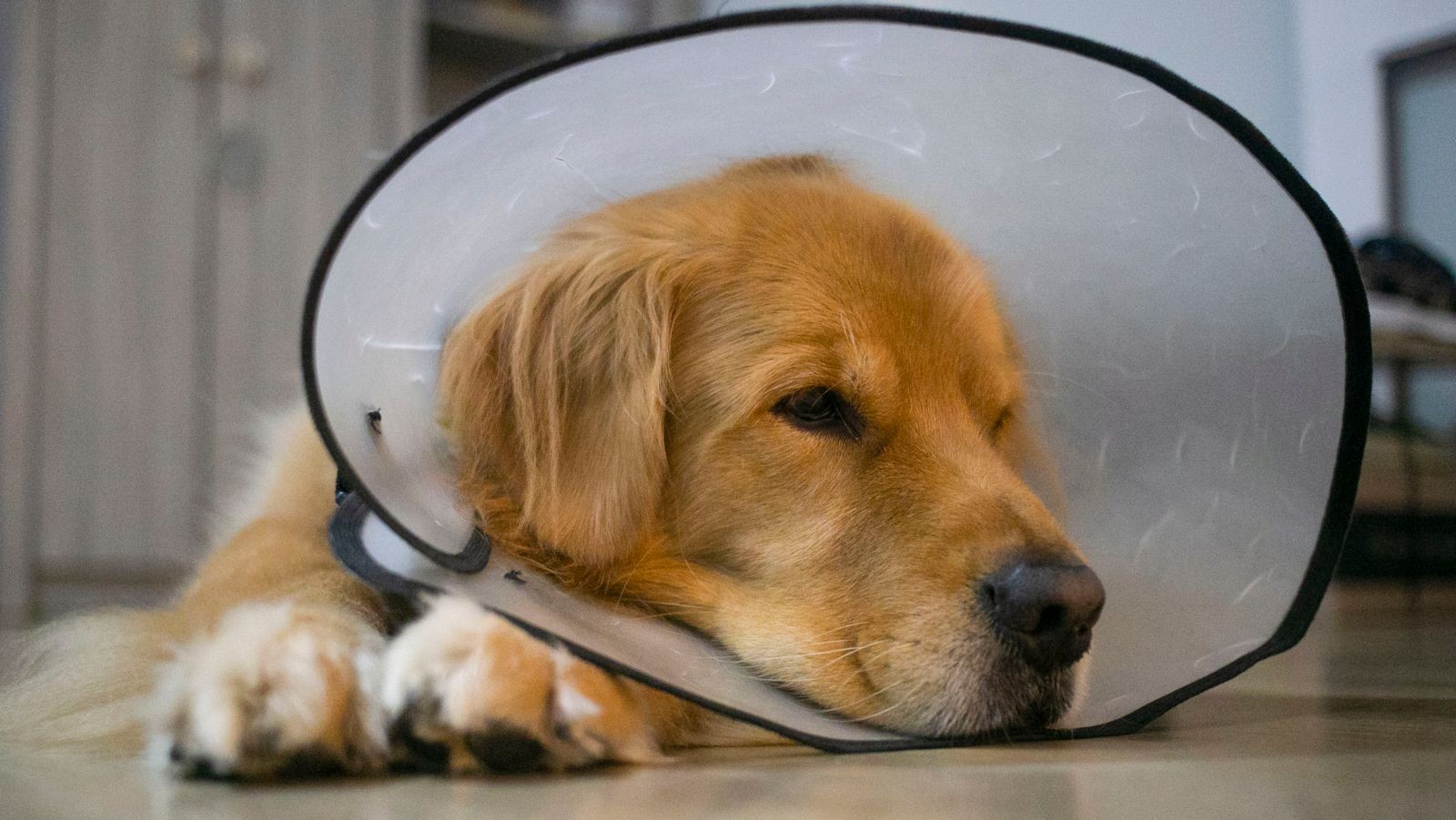
Plan for a quieter fortnight. Expect an incision to check daily, a cone or recovery suit to prevent licking, leash-only potty breaks, and no running, jumping, or baths until your vet clears her — usually at a recheck around ten to fourteen days. Mild grogginess the first evening and a smaller appetite for a day or two are common; your vet will tell you which signs, like swelling, discharge, or refusing food beyond that window, mean you should call.
Call promptly rather than waiting if anything worries you. Vets would rather reassure you ten times than meet one dog late with a problem that started days earlier.
Keep Her History Complete
A spay is a landmark entry in your dog's medical history — future vets, emergency clinics, and sitters all benefit from knowing it was done and when. Record the procedure in KinsLe's Pet Passport, the records packet that holds her vaccines, medications, allergies, and documents in one shareable place. If she ever needs care away from her usual clinic, her history travels with her. File the spay date and surgeon notes under her Pet Passport in KinsLe, and her record stays complete for every clinic that treats her later.