
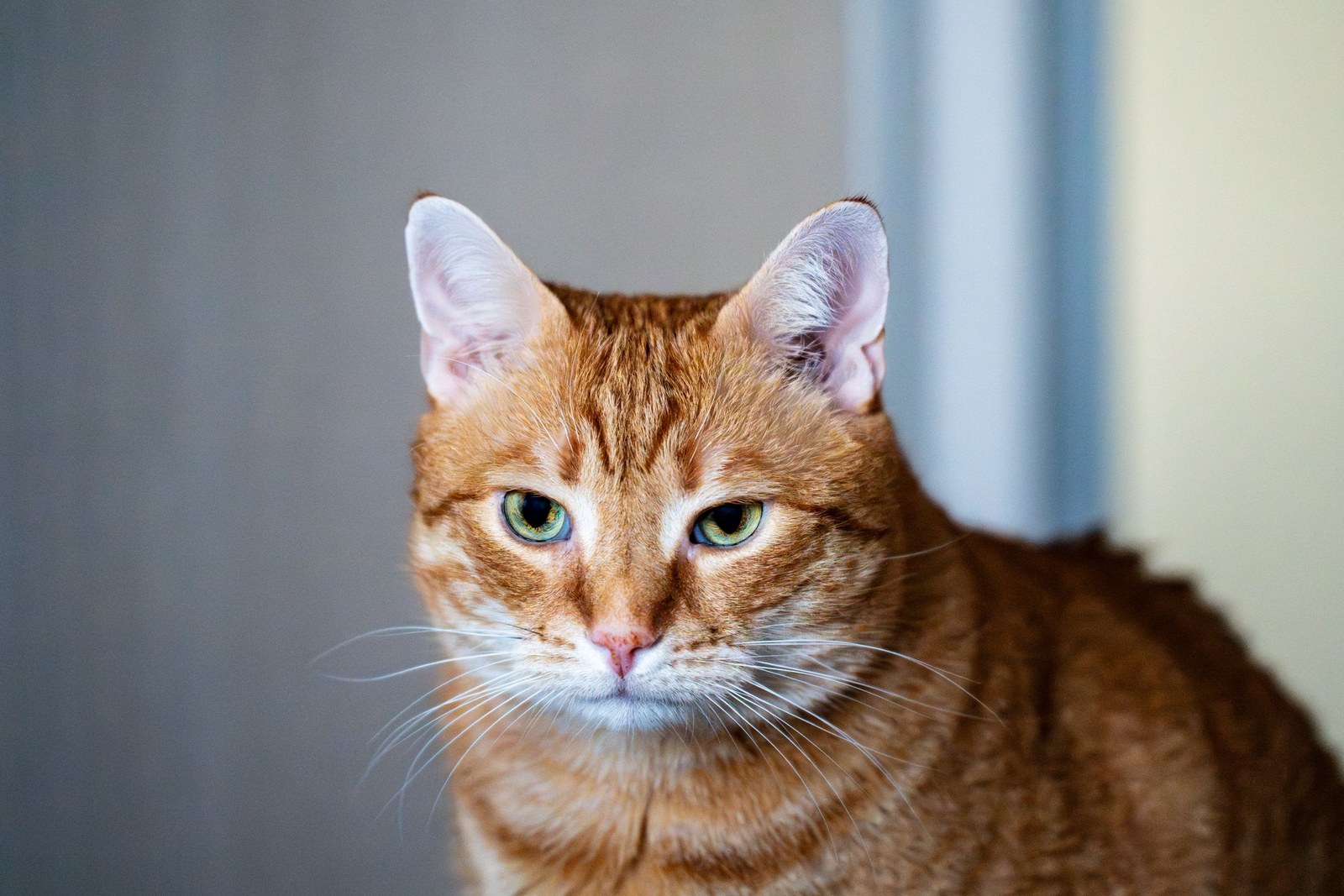
Adopting from a shelter or rescue gives you a cat who has usually already been vet-checked, vaccinated, and spayed or neutered, at a fee that is typically lower than buying — and it frees up a space for the next animal who needs help. For most adopters, it is the best value and the best story in one decision.
What is usually already done for you
Reputable shelters and rescues handle the expensive first steps before you ever meet your cat. Most arrivals are examined by a veterinarian, treated for fleas and worms, tested where appropriate, vaccinated, microchipped, and spayed or neutered once old enough. Bought privately, each of those items is a separate appointment and bill. Bundled into an adoption fee, they make the true cost of a "free" kitten from an online advert look very different.
Ask exactly what is included, though, because it varies. Some rescues send cats home with a first month of food, a sample of their current diet, and a voucher for a follow-up check. Foster-based rescues can often tell you even more, because the cat has been living in a real home.
The matchmaking benefit
Shelter staff and foster carers know their cats as individuals. They know which tabby is a lap-warmer, which youngster will wrestle happily with children, and which shy senior needs a quiet flat and patience. That knowledge is hard to get anywhere else, and a good match is the single biggest predictor of a happy adoption.
Be honest about your life when you visit: working hours, other pets, kids, how much grooming you will realistically do. A long-haired cat is beautiful, but she needs brushing several times a week. A high-energy adolescent Bengal cross will not suit someone who wants a calm companion for reading. Staff would far rather steer you to the right cat than process a return.
Every adoption makes room for another
Shelters operate at capacity almost constantly, especially in kitten season. When you adopt, you do not just change one cat's life — you empty a kennel or foster slot that staff can immediately offer to a stray, a surrendered pet, or a cat from an overcrowded facility. Many adopters find that knowing this makes the wobbly first week easier to push through.
After the paperwork
Expect an application, a chat about your home, and sometimes a home check or references, particularly from breed-specific rescues. This is a good sign, not bureaucracy for its own sake. Once approved, ask for copies of everything: vaccination record, microchip number, surgery date, and notes on food and litter the cat is used to, so you can keep the first days familiar.
A smoother handover with KinsLe
With KinsLe's Transferrable Profiles, the rescue can pass your cat's existing profile and records straight to you instead of starting from a blank page. The history they built — vaccines, quirks, medical notes — moves with the cat into your care, and you build on it from day one. Transferrable Profiles on KinsLe hand the shelter's history for the cat, including vaccination notes, surgery dates, and feeding quirks, straight into the adopter's care without starting over.