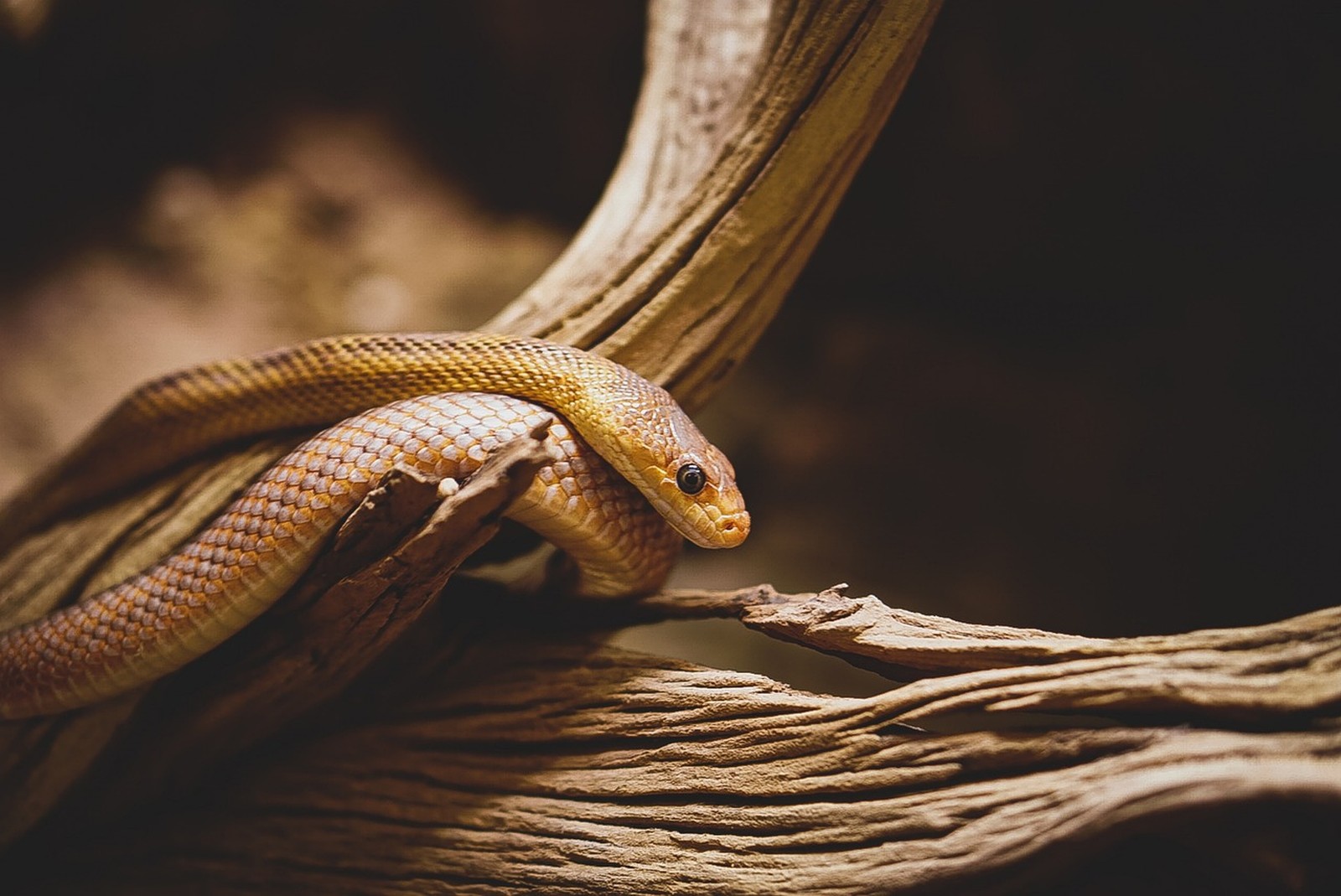
Health in a snake reads from the outside in: an alert animal that responds when handled, eyes bright and clear outside the cloudy blue phase that precedes a shed, a body rounded and well muscled with no ridge of spine showing, and skin that comes away in a single complete piece when it sheds. Breathing is silent and invisible in effort, the mouth is clean and pink inside with no mucus, cheesy material, or bubbles, and there are no lumps, wounds, ticks, or mites (tiny black or white specks, most often found around the eyes, heat pits, and under chin scales). A healthy snake flicks its tongue actively, explores or settles calmly when out, and — age and season allowing — feeds with its normal enthusiasm.
The Baseline Habits That Keep 'Healthy' Verifiable
Health in snakes is a trend, so keep the simple records: weights monthly, feeds taken or refused, and sheds (date and completeness). A snake who sheds in pieces repeatedly, loses weight, or starts refusing food outside the usual seasonal and shed patterns is telling you something has changed — check the husbandry numbers first (warm and cool end temperatures measured at floor level, humidity, hide security), because early snake problems so often trace to the environment, then take persistent changes to a reptile vet. Quarantine any new snake away from your collection for at least a month or two, handling it last and with separate equipment, because the fastest way to make healthy snakes unhealthy is an unquarantined newcomer carrying mites or disease. Handle healthy snakes confidently but not excessively, and let a snake who has just eaten rest undisturbed for a couple of days.
Working With Your Vet
A snake vet visit runs best on records, not impressions: note the date a refusal or dull shed began, what the temperatures and humidity read that week, and whether anything in the room changed. Articles can help you rank urgency and decide what to record, but diagnosis belongs to the veterinarian who examines the animal — and your shed log, weights, and a photo of the enclosure often answer the vet's first questions before they are asked.
Wheezy or bubbly breathing, mouth rot signs, mites, stuck shed over the eyes, or steady weight loss in a snake need a reptile vet promptly — breathing signs are same-day.
For snakes, three running records do the heavy lifting: monthly weights, every feed offered and its outcome, and each shed with its date and whether it came off whole. Together they expose slow drift — a snake quietly losing condition across a season — that no single handling session would reveal. Refresh your sense of this snake's normal after a move, a new addition to the collection, a course of treatment, or a shift into breeding season, because each one resets the baseline you compare against.
Those records travel with this snake in a single packet — the Pet Passport on KinsLe — arriving intact at a new vet, a boarding stay, or a new keeper's hands.