
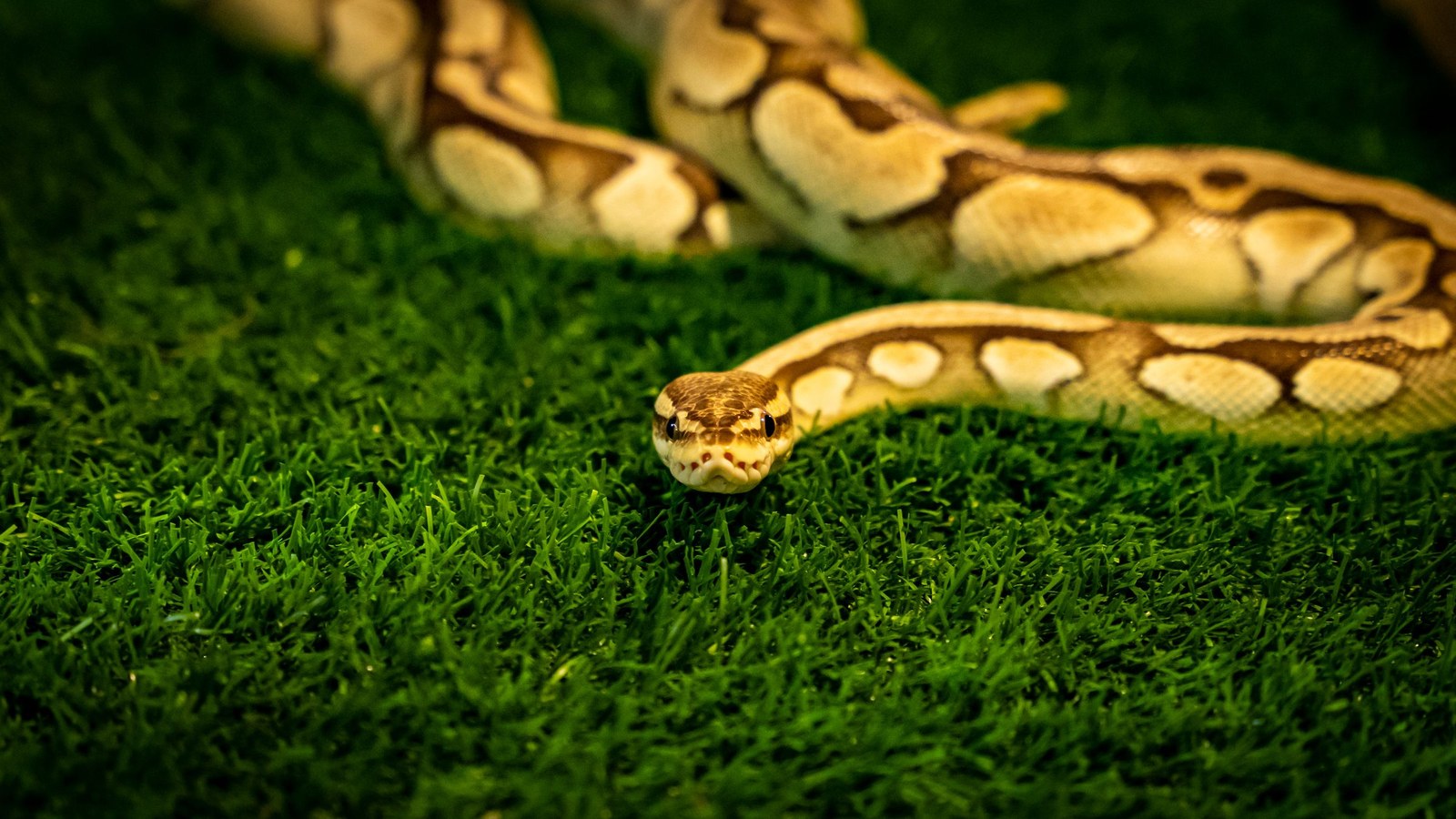
Signs of a respiratory problem in a snake can include wheezing, clicking, or popping sounds when breathing, bubbles or mucus around the nostrils or mouth, open-mouth breathing, and holding the head raised or propped up to breathe more easily. You may also notice reduced appetite, lethargy, or mucus smeared on enclosure walls. Any of these signs warrants a prompt call to a reptile veterinarian — respiratory problems in snakes should not be left to clear on their own.
What Normal Breathing Looks Like
A healthy snake breathes quietly and almost invisibly. You might see gentle movement along the body, but there should be no audible wheeze, no bubbles, and no need to keep the mouth open. Snakes have a relatively simple respiratory system, with one lung doing most of the work in many species, so even moderate irritation can affect them noticeably.
Learn your own snake's baseline. A ball python resting after a large meal will look different from a corn snake exploring in the evening, but neither should sound noisy. If you only notice sounds during a shed, look closely — loose skin around the nostrils can occasionally cause a brief whistle — but do not assume that explains ongoing bubbles, mucus, or open-mouth breathing. When in doubt, record a short video with sound for your vet rather than handling the snake repeatedly to listen again.
Common Contributors to Check
Environment is the first thing a vet will ask about. Temperatures that have dropped too low, a failed heat source, or a cold draft can suppress normal function and allow problems to take hold. Humidity that is far off for the species — too dry for a tropical python or persistently damp and stale for a species that needs better airflow — can also irritate airways.
Check, do not guess:
- Warm-side and cool-side temperatures with a reliable thermometer
- Humidity for your species, and whether water bowls or misting changed recently
- Recent power cuts, moves, or new enclosure mates
- Any new substrate that is dusty or strongly scented
Write down what you find and when signs started. Correct obvious husbandry errors gently rather than making sudden extreme changes, and avoid raising temperatures far above the recommended range in an attempt to "burn off" illness.
What to Do Right Now
Reduce handling and stress. Keep the enclosure in a quiet place, maintain stable, species-appropriate temperatures, and ensure clean water is available. Do not use steam treatments, human inhalers, essential oils, or leftover antibiotics, and do not try to clear mucus from the nostrils yourself.
Contact a reptile vet promptly, sooner if you see open-mouth breathing, thick mucus, complete food refusal combined with lethargy, or a snake that cannot settle into a normal resting posture. Bring your temperature and humidity notes, feeding history, and that video if you have one. The vet needs an in-person exam to assess what is happening — no article or forum can diagnose your individual snake.
Finding Support in the Circle of Love
Waiting for a vet appointment with a sick snake is stressful, especially because snakes hide illness well and owners often blame themselves for noticing late. KinsLe's Circle of Love is the community network formed by free accounts, including Pet Lovers who join free, and it is a reassuring place to connect with fellow pet lovers who understand that worry while your veterinarian leads the actual care. Sharing experiences can help you prepare better questions and feel less alone, without replacing professional assessment. Circle of Love on KinsLe is where other snake keepers swap what they have lived through, the odd wheeze they noticed first and the questions they carried to their own vets, while your reptile vet stays firmly in charge of this snake's care.